Here’s a question most Nassau County homeowners can’t answer confidently: when you call an HVAC company about your boiler, do you need maintenance or a service call? They sound similar. They’re not. One happens before something goes wrong. The other happens after. And the gap between them — in cost, in convenience, and in risk — is bigger than most people expect. If you’ve been putting off dealing with your boiler because you weren’t sure what you actually needed, this is the page that clears it up.
What’s the Difference Between Boiler Maintenance and Boiler Service?
Boiler maintenance is scheduled and preventive. A technician comes out, inspects the system, cleans what needs cleaning, tests what needs testing, and makes sure everything is operating the way it should — before anything breaks. Boiler service, on the other hand, is reactive. Something stopped working, or started making a noise it shouldn’t, and now you need someone to diagnose and fix it.
The distinction matters because reactive service calls almost always cost more than preventive maintenance visits — and they tend to happen at the worst possible time. A boiler that fails on a January night in Massapequa or Levittown isn’t just an inconvenience. In Nassau County, where winter temperatures regularly drop below 16°F, it’s a genuine problem that needs solving immediately, on someone else’s schedule, not yours.
What Does a Boiler Maintenance Visit Actually Include?
This is where a lot of homeowners get vague answers from companies that don’t explain their process. A proper boiler maintenance visit isn’t a quick visual check and a signature on a form. There’s real work involved, and understanding what that work is helps you know whether you’re getting value for the visit.
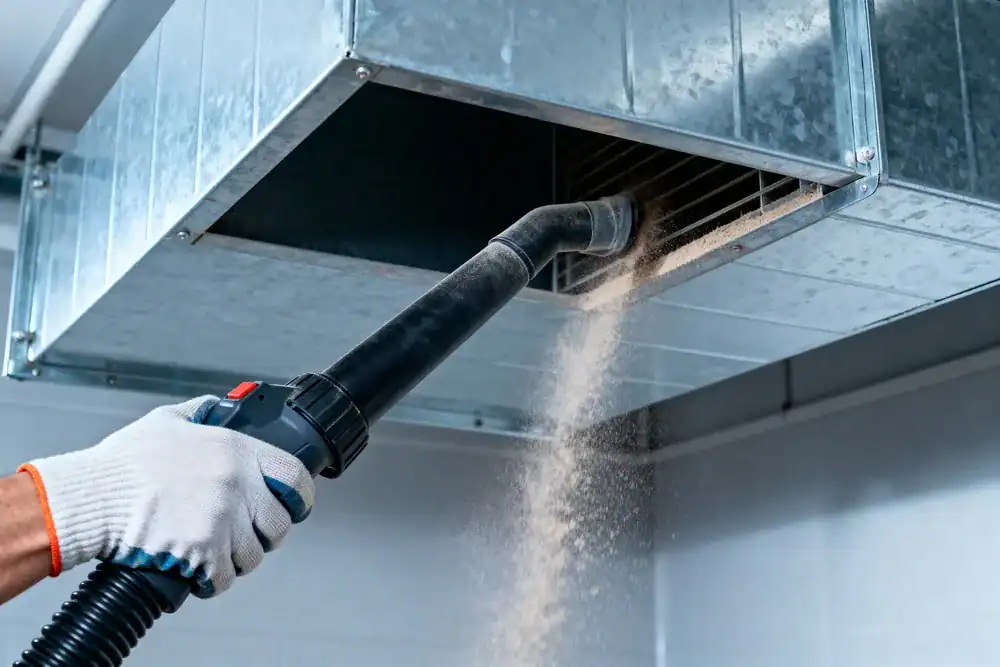
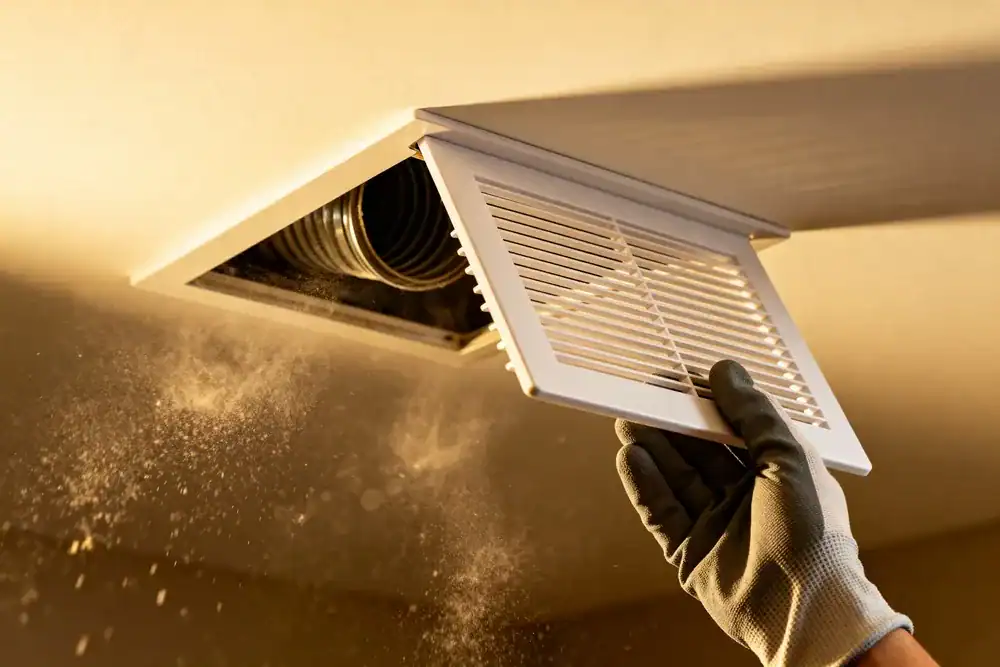
A thorough maintenance appointment covers the heat exchanger and burner components — cleaning out soot and buildup that accumulates over a heating season. That matters more than it sounds. Soot buildup alone can reduce a boiler’s efficiency by up to 15%, which means the system is burning more fuel to produce the same amount of heat. For a Nassau County home running a boiler through a full Long Island winter, that inefficiency adds up on every utility bill.
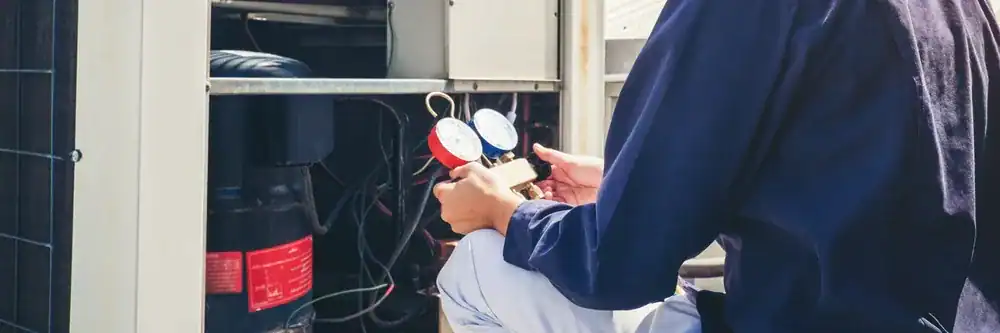
Beyond cleaning, the technician checks and adjusts system pressure — ideal operating pressure sits between 1 and 1.5 bars — and inspects all safety controls, pressure valves, seals, and electrical connections. They test the thermostat, verify that the flue and ventilation pathways are clear, and run a combustion analysis that measures efficiency, carbon monoxide levels, and draft pressure.
That last piece is worth paying attention to. A cracked heat exchanger can leak carbon monoxide into your home without any visible sign that something is wrong. CO is odorless and colorless. The only way to know the heat exchanger is intact is to have a trained technician inspect and test it properly — not something a homeowner can do safely on their own. Bryant’s installation guidelines are direct on this point: never open internal boiler panels or adjust gas components without the proper credentials. It’s not just dangerous — it can void your warranty.
Most boiler manufacturers require documented annual professional maintenance to keep the warranty valid. If you skip a year and something fails, you may be looking at the full replacement cost out of pocket, which typically ranges between $1,800 and $16,000 depending on the system. That context makes a maintenance visit look like a very reasonable line item.
Why Nassau County’s Coastal Climate Demands More Frequent Maintenance
Nassau County isn’t just any suburban market. The South Shore sits right up against the Atlantic Ocean and a network of bays, which means homes in Long Beach, Oceanside, Freeport, and Merrick are exposed to salt air year-round. Salt air accelerates corrosion on boiler components at a rate that inland homes simply don’t experience. The humidity swings and temperature fluctuations that come with coastal proximity add additional stress to heating systems that are already working hard through a Long Island winter.
A boiler in a Levittown ranch house or a Valley Stream Cape Cod is dealing with conditions that make annual maintenance more important than systems in other regions. The corrosion risk is real. The efficiency degradation is real. And the age of the housing stock across Nassau County compounds both.
A significant portion of Nassau County’s homes were built in the post-WWII era — the 1940s, 50s, and 60s. Many of those homes still use steam or hot water boiler systems that have been running for decades. Older systems, especially those over ten years old, benefit more from annual professional maintenance, not less. The older the system, the higher the risk of corrosion, cracked heat exchangers, and efficiency loss — all of which our trained technicians can catch before they become emergencies.
There’s also a timing factor that Nassau County homeowners consistently underestimate. The best window to schedule boiler maintenance is late summer or early fall — before the heating season begins and before every other homeowner in Hempstead and Garden City is calling at the same time because their heat stopped working. Booking ahead means shorter wait times, a system that’s been verified before the first cold snap, and no scrambling in December when availability gets tight.
When You Actually Need a Service Call — Not Maintenance
If your boiler is already showing symptoms, maintenance isn’t the right call — you need a service visit. Banging pipes, uneven heat across rooms, a system that’s cycling on and off too frequently, visible leaking around the unit, or a sudden spike in your heating bill without a change in usage are all signs that something is already wrong and needs diagnosis.
The important thing to understand is that a service call and a maintenance visit aren’t interchangeable. If you call for maintenance when there’s an active problem, the technician will likely identify the issue — but resolving it is a separate scope of work. Being clear about what you’re experiencing when you call helps the technician arrive prepared and helps you understand what you’re paying for.
Heating and Air Conditioning Service: Why a Full-Service Provider Matters
One thing worth considering when you’re choosing who to call for boiler work: a company that handles your full heating and air conditioning service needs is often a better long-term fit than a boiler-only specialist. Here’s the practical reason why.
Your home’s heating system doesn’t operate in isolation. The thermostat that controls your boiler may also interact with other HVAC components. A technician who understands your full system — not just the boiler — is better positioned to catch problems that cross those boundaries. When you have one trusted company handling maintenance across your heating and cooling equipment, you build a service history that makes every future visit more efficient.
For Nassau County homeowners, this is especially relevant. The same salt air and humidity that stress your boiler are also working on your air conditioning equipment during the summer months. We hold NATE certification — the HVAC industry’s leading third-party technician credential — along with EPA certification, and we’re an authorized installer for Mitsubishi Electric and an Amana Certified Dealer. That breadth of training means our technicians can give you a complete picture of your home’s mechanical health across heating, cooling, mini-splits, and heat pumps.
We’re also a BBB Accredited Business with an A+ rating, and we carry over 142 verified five-star reviews from Nassau County homeowners who’ve seen how we work firsthand. We don’t tell you that you need a new system when a maintenance visit will do the job. Transparent pricing and a 100% Satisfaction Guarantee aren’t marketing language — they’re the way we’ve built a business that people in Lynbrook, Rockville Centre, Wantagh, and across Nassau County call back year after year.
Common Questions Nassau County Homeowners Ask About Boiler Maintenance
A few questions come up consistently when we talk to homeowners across Nassau County, and they’re worth addressing directly.
The most common one: is annual boiler maintenance actually necessary, or is it just a way for HVAC companies to generate revenue? The honest answer is that it’s genuinely necessary. Soot buildup reduces efficiency by up to 15%. Skipping maintenance can void your manufacturer’s warranty. A cracked heat exchanger can leak carbon monoxide without any visible warning. These aren’t hypothetical risks — they’re documented outcomes that annual professional maintenance is specifically designed to prevent.
Another question we hear often: can I do boiler maintenance myself? For basic tasks like checking the pressure gauge or bleeding a radiator, yes. But for anything involving internal components — the heat exchanger, burner assembly, gas connections, combustion analysis — no. Those tasks require specialized tools, professional licensing, and training that goes beyond what a homeowner can safely do. Attempting them without credentials is dangerous and can void your warranty.
A third question that’s specific to Nassau County homeowners with older homes: my boiler has been running for twenty years without any issues — does it really need annual service? Yes, and arguably more urgently than a newer system. Older boilers are more susceptible to corrosion, heat exchanger degradation, and efficiency loss. The fact that it’s been running doesn’t mean it’s been running well — or safely. When we open up a twenty-year-old system in a South Shore home and run a combustion analysis, we often find issues that a visual check from the outside simply can’t reveal.
Finally: when should I schedule? As mentioned earlier, late summer through early fall is the ideal window. September and October are the sweet spot for Nassau County — before the cold-weather rush, before wait times stretch out, and before you’re making emergency calls in the middle of a freeze.
The Bottom Line on Boiler Maintenance for Nassau County Homes
Maintenance is proactive. Service is reactive. The first keeps your system running efficiently, protects your warranty, and catches safety issues before they become emergencies. The second happens after something has already gone wrong — and it costs more, takes longer, and usually comes at a worse time.
For Nassau County homeowners dealing with aging housing stock, salt air corrosion, and winters that don’t give much warning, the case for annual professional maintenance isn’t a close call. It’s the straightforward math of a small, scheduled investment versus a large, unplanned one.
If you’re not sure where your boiler stands or it’s been more than a year since anyone looked at it, that’s the right place to start. COOL BROS CORP serves homeowners across Nassau County — from Lynbrook to Long Beach, Garden City to Massapequa — with NATE-certified technicians, transparent pricing, and real 24/7 availability when you need it. Give us a call and we’ll tell you exactly what your system needs.