You need a new HVAC system. Maybe your current one finally gave out, or maybe you’re just tired of watching your energy bills climb every month. Either way, you’re probably wondering what this is actually going to cost you.
Here’s the thing: HVAC installation costs in Nassau County aren’t simple. You’ll see ranges from $5,000 to $20,000 or more, and that gap isn’t helpful when you’re trying to budget. What you really need is a clear breakdown of what drives those numbers, what you’re actually paying for, and how to know if a quote is fair.
This guide walks you through real 2026 pricing, the factors that affect your specific cost, and what to expect when you’re ready to move forward.
HVAC Installation Cost Breakdown for Nassau County Homes
Most homeowners in Nassau County pay between $7,000 and $15,000 for a complete HVAC installation in 2026. That’s the realistic middle ground for a standard residential system in a 1,500 to 2,500 square foot home.
Your total cost includes the equipment itself, professional installation labor, any necessary ductwork modifications, permits required by local building codes, and disposal of your old system. Some quotes might look lower at first glance, but they’re often missing pieces that show up later as “additional charges.”
The equipment alone typically runs $3,000 to $8,000 depending on the brand, efficiency rating, and size you need. Installation labor adds another $1,000 to $3,000, and that’s where experience matters. A properly installed system performs at its rated efficiency from day one. A rushed or incorrect installation can cost you hundreds in wasted energy every year.
What’s Actually Included in Your HVAC System Cost
When you’re comparing quotes, you need to know what’s actually included versus what might cost extra. A complete HVAC installation should cover the outdoor condensing unit, indoor air handler or furnace, evaporator coil, refrigerant line set, thermostat, and all necessary electrical connections.
Most contractors in Nassau County also include the required permits in their quotes. Local building codes require permits for HVAC installations, and those typically run $250 to $1,500 depending on the scope of work. If a quote doesn’t mention permits, ask about them directly.
Ductwork is where costs can jump significantly. If your existing ducts are in good shape, you’re looking at a straightforward replacement. But if your ducts are leaking, undersized, or damaged, you might need modifications or replacement. That can add $2,100 to $7,000 to your project. Poor ductwork can reduce your system’s efficiency by 20 to 30 percent, so fixing it isn’t optional if you want your new system to actually perform.
Labor costs vary based on installation complexity. A simple swap in an easily accessible location costs less than installing a system in a tight attic space or making significant modifications to accommodate a new unit size. Experienced technicians charge more, but they also know how to handle Nassau County’s specific challenges like coastal salt air that accelerates corrosion on outdoor equipment.
Your thermostat matters more than you might think. Basic models are included in most installations, but upgrading to a programmable or smart thermostat costs $200 to $800. The right thermostat can optimize your system’s performance and help you track energy usage, which pays off over time.
Removal and disposal of your old system typically costs $100 to $200. Some contractors include this in their base price, others charge separately. Older systems with R-22 refrigerant require special handling for disposal, which can increase costs slightly.
Central Air Installation Cost and What Affects Your Price
Central air installation for a Nassau County home typically runs $6,500 to $12,000 including equipment and labor. That assumes you already have ductwork in place and you’re replacing an existing system.
The size of your home is the biggest factor. Larger homes need more powerful systems measured in tons of cooling capacity. A 1,500 square foot home might need a 2-ton unit, while a 2,500 square foot home typically requires a 3.5 to 4-ton system. Equipment costs increase with size, and so does installation labor.
Your home’s layout matters too. Multi-story homes, high ceilings, large windows, and poor insulation all require more cooling power. That’s why proper sizing requires a Manual J load calculation, not just a quick estimate based on square footage. A system that’s too small runs constantly and never quite cools your home. A system that’s too large short-cycles, which reduces efficiency and increases humidity.
Energy efficiency ratings directly affect both upfront cost and long-term savings. Systems with SEER2 ratings of 14 to 16 are standard and cost less upfront. High-efficiency systems rated 18 SEER2 or higher cost $2,000 to $4,000 more, but they can save $200 to $400 per year on electricity. In Nassau County where PSEG rates are among the highest in the country, that efficiency pays off faster than in other areas.
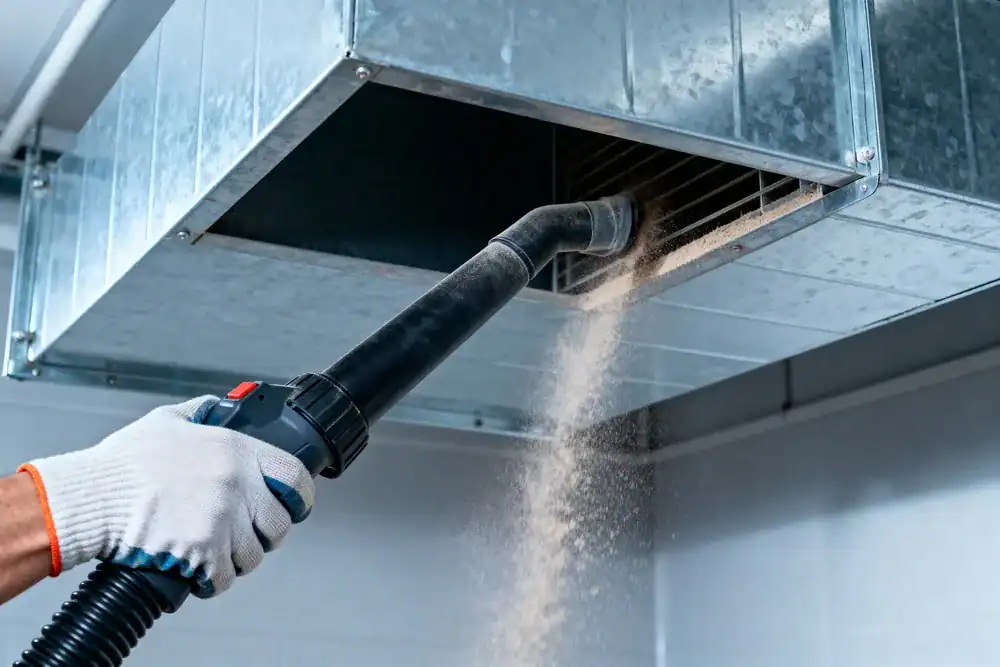
The condition of your existing ductwork can make or break your budget. If your ducts are properly sized, sealed, and insulated, you’re good to go. If they’re leaking or undersized, you’ll need work done. Sealing and insulating existing ducts costs $500 to $2,000. Full duct replacement runs $2,400 to $6,600 depending on your home’s size and layout.
Installation timing affects pricing too. Peak summer and winter months when demand is highest often come with premium pricing. If you can plan your installation for spring or fall, you’ll typically see better pricing and more flexible scheduling. Emergency replacements during a July heatwave or January cold snap cost more because contractors are slammed and you don’t have time to shop around.
Nassau County’s coastal location adds specific considerations. Salt air accelerates corrosion on outdoor condensing units, so proper installation includes protective measures and positioning that accounts for prevailing winds and exposure. Experienced local contractors know these details. National chains or contractors from outside the area might not.
HVAC Replacement Cost Nassau County: What Drives Your Quote
HVAC replacement costs in Nassau County run higher than the national average for specific reasons. Labor rates in the New York metro area are 10 to 20 percent higher than suburban or rural markets. Local permit requirements are stricter. And Nassau County’s unique climate demands systems that can handle both humid summers reaching 82°F and winters dropping below 16°F.
Most homeowners replacing a complete system pay $11,500 to $14,000 for a mid-efficiency setup in a typical 2,000 to 2,500 square foot home. That includes both heating and cooling components, installation labor, permits, and standard ductwork connections. Premium high-efficiency systems can push that to $18,000 or more.
Your specific quote depends on whether you’re replacing just the air conditioning, just the heating, or both. A complete system replacement costs more upfront but makes sense if both components are aging. Mismatched systems with an old furnace and new AC often underperform and void warranties.
System Type and Efficiency: How They Affect Total Cost
The type of system you choose has the biggest impact on your total cost. Traditional split systems with separate heating and cooling components are most common in Nassau County. You’re looking at $7,000 to $12,000 for a standard-efficiency setup, or $10,000 to $18,000 for high-efficiency equipment.
Heat pumps provide both heating and cooling from a single unit, which appeals to homeowners looking to simplify and increase efficiency. Heat pump installations typically cost $8,000 to $16,000 for standard models, or $12,000 to $20,000 for cold-climate heat pumps designed for Nassau County winters. The Inflation Reduction Act offers federal tax credits up to $2,000 for qualifying heat pump installations, which helps offset the higher upfront cost.
Ductless mini-split systems work well for homes without existing ductwork or for adding climate control to specific areas. Single-zone systems start around $3,000 to $5,000, while multi-zone setups covering a whole home run $8,000 to $17,000 depending on how many indoor units you need.
Efficiency ratings directly correlate with price and long-term savings. A basic 14 SEER2 system costs less upfront but uses more electricity. A 16 SEER2 system costs about $1,500 more but can save $150 to $250 per year on cooling costs. An 18 to 20 SEER2 high-efficiency system costs $3,000 to $5,000 more than the baseline but can save $300 to $400 annually.
The math matters here. If you’re planning to stay in your home for 10 years or more, investing in higher efficiency makes financial sense. The energy savings pay back the higher upfront cost within 4 to 7 years, and you pocket the savings for the remaining lifespan of the system. If you’re selling soon, a mid-efficiency system might make more sense.
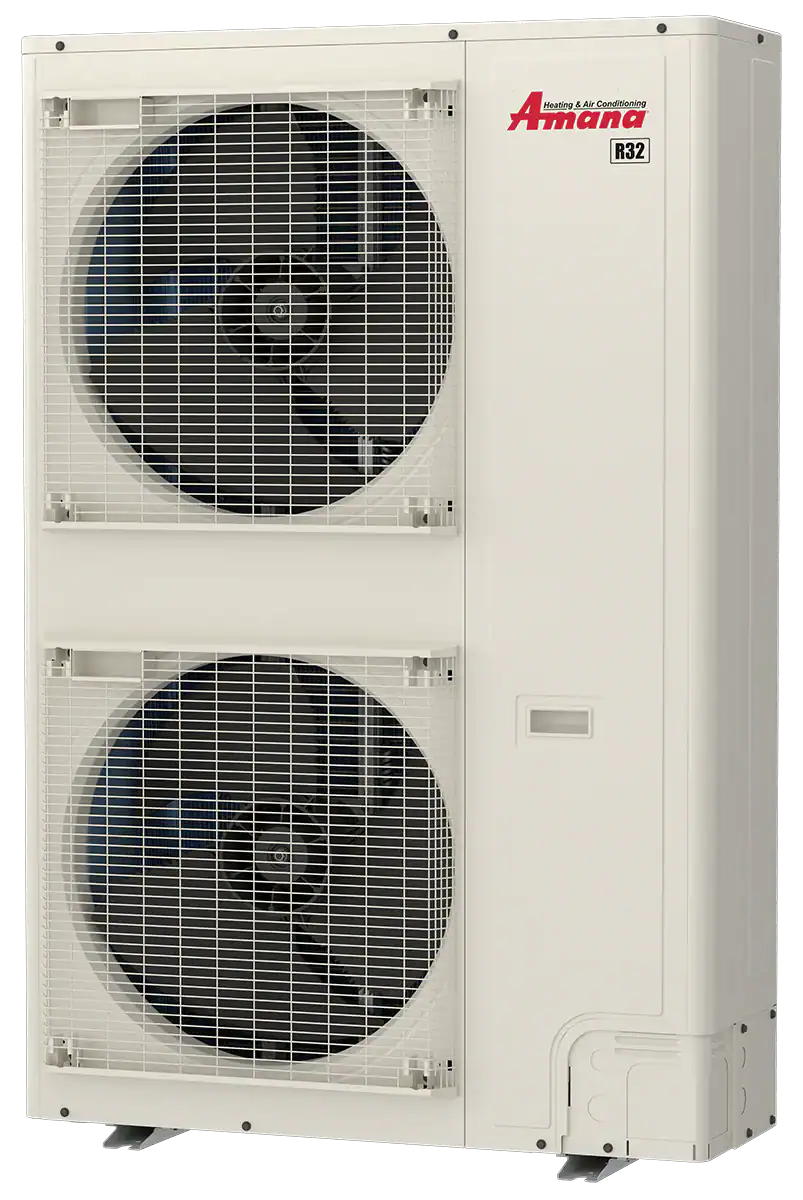
Brand selection affects both price and long-term reliability. Premium brands like Trane, Carrier, and Lennox cost more upfront but typically offer better warranties and longer lifespans. Mid-tier brands like American Standard, Amana, and Goodman provide solid performance at lower price points. The key is matching the brand to your budget and expectations, not just choosing the cheapest option.
Installation complexity varies significantly between homes. A straightforward replacement in an easily accessible location with good existing infrastructure costs less than a complex installation requiring electrical upgrades, ductwork modifications, or difficult access through tight crawl spaces or attics. Older homes in Nassau County often present challenges like outdated electrical panels that need upgrading to support modern HVAC equipment, adding $500 to $2,000 to the project.
Financing Your HVAC Installation: Options That Actually Work
Most homeowners don’t have $10,000 to $15,000 sitting in savings for an HVAC replacement. That’s where financing comes in, and understanding your options helps you avoid paying more than necessary.
Contractor financing programs are the most common option. Many HVAC companies partner with lenders like Synchrony, GreenSky, or Wells Fargo to offer promotional financing. The most popular option is 0 percent APR for 12 to 60 months if you pay the balance in full before the promotional period ends. For a $12,000 system on a 60-month plan, that’s $200 per month with no interest if you stay on track.
The catch with promotional financing is deferred interest. If you still owe even $1 when the promotional period ends, you’ll be charged interest on the original balance from day one, often at rates around 27 percent APR. These programs work great if you’re disciplined about paying them off on time. They’re expensive if you’re not.
Personal loans through banks or online lenders offer fixed monthly payments and no deferred interest surprises. Rates typically range from 7 to 24 percent APR depending on your credit score. You’ll get funded in 1 to 3 days, and you own the loan outright with predictable payments. For a $12,000 loan at 10 percent APR over 5 years, you’re looking at about $255 per month.
Home equity loans or HELOCs offer the lowest interest rates, typically 6 to 9 percent, because your home serves as collateral. The application process takes longer, usually 2 to 6 weeks, and there’s more paperwork involved. This option makes sense for larger projects or if you’re bundling HVAC replacement with other home improvements.
Federal tax credits and local rebates can significantly reduce your out-of-pocket cost. The Inflation Reduction Act provides tax credits up to $2,000 for qualifying heat pumps and up to $600 for Energy Star-certified AC units. These credits reduce your tax bill directly, not just your taxable income.
NYSERDA and utility company rebates add another layer of savings. Depending on your system type and efficiency level, you might qualify for $500 to $1,500 in rebates from PSEG or other local utilities. These rebates typically come as checks after installation, so you’ll need to finance the full amount upfront and then apply the rebate to your loan balance.
The smartest approach is stacking incentives. Choose a high-efficiency system that qualifies for federal tax credits and utility rebates, then finance the remaining balance through the most favorable option for your situation. A $14,000 heat pump installation might net $2,000 in federal credits and $1,000 in utility rebates, leaving you with $11,000 to finance instead of the full amount.
Making the Right Choice for Your Nassau County Home
HVAC installation costs in Nassau County range from $7,000 to $15,000 for most residential projects, with your specific price depending on system type, home size, efficiency level, and installation complexity. Understanding what drives those costs helps you budget accurately and avoid surprises.
The most important factors are choosing the right-sized system for your home, selecting an efficiency level that balances upfront cost with long-term savings, and working with experienced technicians who understand Nassau County’s unique climate challenges. A properly installed system lasts 15 to 20 years and saves you money on energy bills from the first month.
Financing options make installations accessible without draining your savings, and federal tax credits plus local rebates can reduce your out-of-pocket cost by thousands. The key is planning ahead when possible rather than waiting for an emergency replacement during peak season.
If you’re ready to get accurate pricing for your specific home, we provide transparent quotes with no surprise fees. Our team of certified technicians serves Nassau County with same-day service, flexible financing, and equipment backed by comprehensive warranties.