You want to take care of your HVAC system without overpaying for things you could handle yourself. That’s fair. But there’s a line between routine upkeep and work that puts your equipment warranty at risk—or worse, creates safety hazards you didn’t see coming.
Some maintenance tasks belong in your hands. Others don’t. Knowing the difference keeps your system running longer, your energy bills lower, and your family safer. Let’s talk about what you can actually do yourself, what requires a licensed technician, and why that distinction matters more than you might think.
HVAC Maintenance Checklist: What Homeowners Can Safely Handle
Not every HVAC task requires a service call. There are straightforward maintenance steps that keep your system running smoothly between professional visits—and most Nassau County homeowners can handle them without special tools or training.
Changing your air filter every one to three months is the single most impactful thing you can do. A clogged filter forces your system to work harder, increases energy consumption by up to fifteen percent, and puts unnecessary strain on components that cost real money to replace. Check it monthly. Replace it when it looks dirty. It’s that simple.
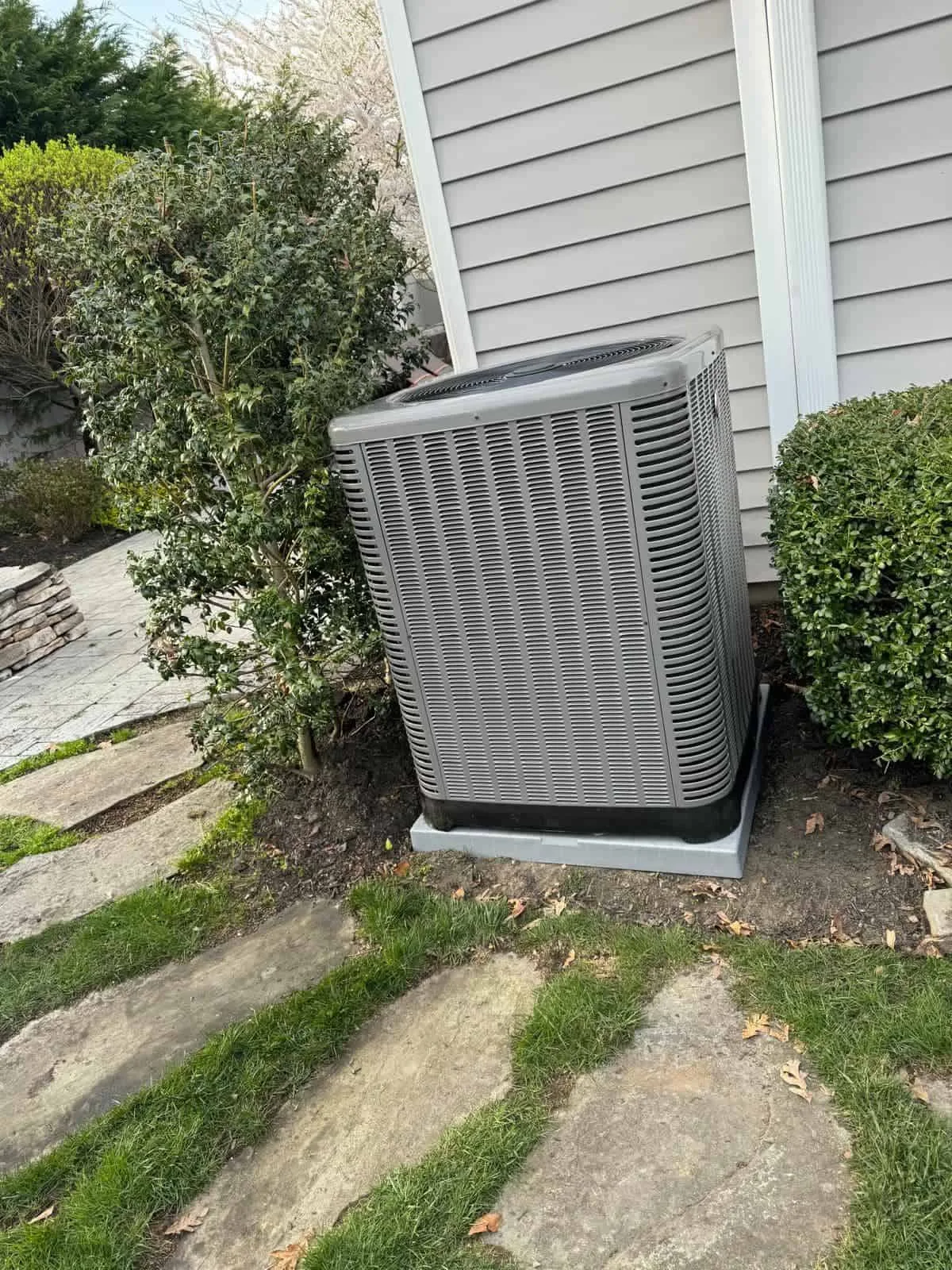
Keeping your outdoor unit clear of debris matters too. Leaves, grass clippings, and dirt reduce airflow and make your system work overtime. Make sure there’s at least two feet of clearance around the condenser. While you’re at it, gently rinse the exterior fins with a hose when the power is off—but skip the pressure washer. You’re cleaning, not sandblasting.
Professional HVAC Service: What Requires a Licensed Technician
The moment you start dealing with refrigerant, electrical components, or gas lines, you’ve crossed into territory that requires professional training and certification. These aren’t suggestions. They’re safety requirements—and in many cases, legal ones.
Refrigerant work is regulated by the EPA. Technicians need certification to handle it because improper exposure can cause serious health problems, and releasing it into the environment is illegal. If your system is low on refrigerant, that’s not a DIY fix. It’s a sign of a leak that needs professional diagnosis and repair. Topping it off without finding the source just kicks the problem down the road and wastes your money.
Electrical work on HVAC systems involves high-voltage components that can cause fires, electrocution, or equipment failure if mishandled. Capacitors store electrical charges even after the power is shut off. Loose connections can overheat and ignite surrounding materials. Our technicians use specialized tools like multimeters to verify that no current is present before they start work. They know which safety protocols prevent accidents. You probably don’t—and that’s not a knock on your intelligence. It’s just not something most homeowners encounter regularly enough to develop the muscle memory that keeps people safe.
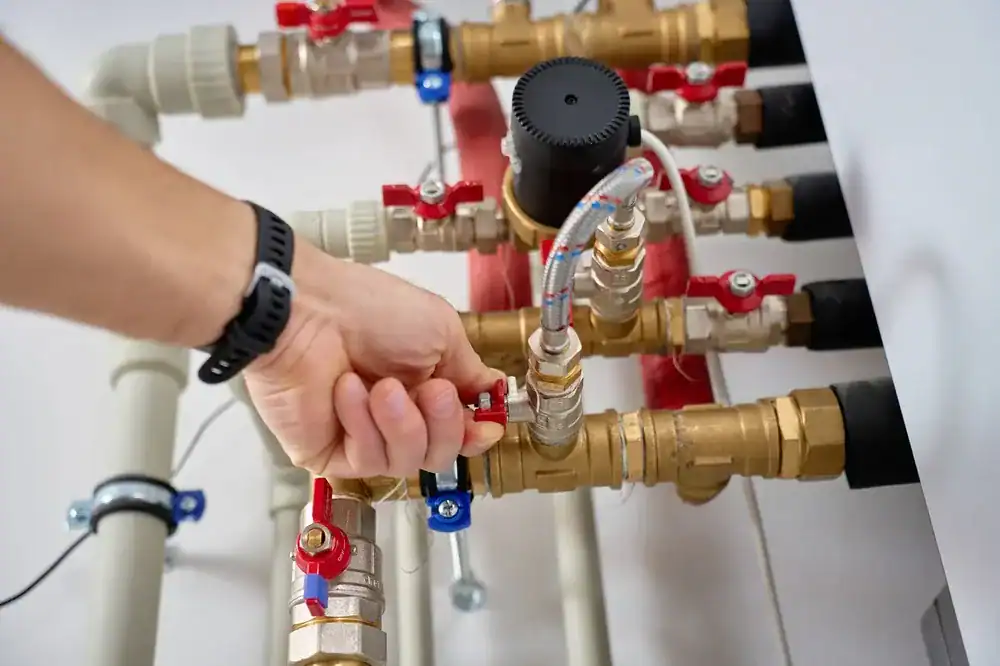
Gas furnaces and boilers add another layer of risk. Natural gas is highly flammable and toxic to inhale. A small leak can lead to carbon monoxide buildup, fires, or explosions. Our technicians are trained to detect leaks, test combustion efficiency, and ensure proper ventilation. They carry the tools and knowledge to handle these systems without putting your family in danger. DIY gas work isn’t just risky—it’s reckless.
Then there’s the issue of diagnostics. HVAC systems are interconnected networks of mechanical, electrical, and thermal components. When something goes wrong, the symptom you notice might not be the actual problem. A frozen evaporator coil could be caused by a dirty filter, low refrigerant, a failing blower motor, or restricted airflow from ductwork issues. A professional technician uses diagnostic equipment to measure airflow, test pressures, and identify the root cause—not just treat the symptom. That’s the difference between a fix that lasts and one that fails again in two weeks.
HVAC Warranty Requirements: Why DIY Work Can Cost You Thousands
Most major HVAC manufacturers require documented annual professional maintenance to keep your warranty active. Miss that requirement, and you’re on your own when something breaks—even if the failure is due to a manufacturing defect that should have been covered.
Warranty claims get denied for one primary reason: lack of proof that the system was maintained according to manufacturer specifications. That doesn’t mean you forgot to change the filter. It means you don’t have documentation from a licensed technician showing that the system was inspected, cleaned, and serviced on schedule. Manufacturers want to see records. They want to know a trained professional checked refrigerant levels, tested electrical connections, measured airflow, and confirmed that everything was operating within spec. If you can’t produce that paperwork, the claim gets rejected.
Here’s what that looks like in real life. Your air conditioner fails in July. The compressor is shot. That’s a $2,500 repair. You file a warranty claim because the system is only three years old. The manufacturer asks for your maintenance records. You don’t have any because you’ve been handling upkeep yourself. Claim denied. You’re paying out of pocket for a repair that would have been covered if you’d invested $200 a year in professional service.
DIY work doesn’t just void warranties when something goes wrong. It can also cause the failure in the first place. Incorrect filter sizes reduce airflow and cause components to overheat. Improper cleaning damages delicate fins and coils. Skipping critical steps during seasonal prep allows small issues to escalate into major failures. And when a technician arrives to assess the damage, they can often tell that the system wasn’t maintained properly. That becomes part of the service report—and another reason the manufacturer won’t honor the warranty.
The cost of professional maintenance is predictable. The cost of a voided warranty is not. Annual service runs between $150 and $350 in Nassau County, depending on your system and the scope of work. That’s a known expense you can budget for. A denied warranty claim on a major component failure can run into thousands—and it hits when you least expect it, usually during the hottest or coldest days of the year when your system is working hardest.
DIY HVAC Maintenance vs Professional Service: Cost and Safety Comparison
The appeal of DIY maintenance is obvious: you’re not writing a check to a technician. But the real cost isn’t just the service fee. It’s what happens when things go wrong because you didn’t have the training, tools, or knowledge to do the job correctly.
Professional HVAC service costs an average of $250 per visit in most markets, with a typical range of $100 to $650 depending on the system type and services performed. That might feel like a lot when your system seems to be running fine. But compare that to the cost of a major repair caused by neglect—or worse, a safety incident caused by improper DIY work. Electrical fires, gas leaks, and refrigerant exposure aren’t hypothetical risks. They happen, and they happen to people who thought they were just saving a few bucks.
Safety Risks of DIY HVAC Maintenance Homeowners Should Know
HVAC systems involve high-voltage electricity, combustible fuels, pressurized refrigerants, and moving mechanical parts. Each of those elements can cause serious harm if mishandled—and most homeowners don’t have the training to recognize the warning signs before something goes wrong.
Electrical shock is one of the most immediate dangers. HVAC systems run on high-voltage circuits that can deliver a fatal shock if you make contact with live wires. Even after you shut off the breaker, capacitors inside the unit can store enough electrical charge to cause injury. Our technicians use discharge tools to safely release that stored energy before they start work. Most homeowners don’t even know capacitors are there, let alone how to discharge them safely.
Fire hazards are another concern. Faulty wiring, loose electrical connections, and improper repairs can create heat buildup that ignites surrounding materials. A wire that’s not rated for the correct load can melt its protective sheathing and start a fire inside your walls or ductwork. These fires don’t always happen immediately. Sometimes the damage is slow and hidden, smoldering for weeks before it becomes visible. By then, the risk has already spread.
Gas leaks from furnaces and boilers are particularly dangerous because natural gas is both flammable and toxic. A small leak can fill your home with carbon monoxide—a colorless, odorless gas that causes headaches, dizziness, and loss of consciousness. In severe cases, it’s fatal. Our technicians test for leaks, measure combustion efficiency, and verify that ventilation systems are working properly. They carry gas detectors and know what to look for. If you’re not trained to spot the signs, you won’t know there’s a problem until someone gets sick.
Refrigerant exposure is less dramatic but still serious. Modern refrigerants can cause skin irritation, respiratory problems, and in high concentrations, more severe health effects. Our technicians are EPA-certified to handle refrigerants safely and dispose of them properly. They wear protective equipment and follow protocols that prevent exposure. DIY attempts to recharge a system or fix a leak often result in refrigerant release—which is illegal, harmful to the environment, and dangerous to your health.
Then there’s the issue of making things worse. Attempting a repair without the right tools or knowledge can turn a small problem into a major failure. You might damage a component that was still functional. You might create a new leak while trying to fix an old one. You might misdiagnose the issue entirely and spend money on parts that don’t solve the problem. Our technicians avoid these mistakes because they’ve seen them before—and they know how to prevent them.
Professional HVAC Service Benefits Beyond Basic Maintenance
Professional service isn’t just about checking boxes on a maintenance list. It’s about catching problems before they become emergencies, optimizing performance so your system runs more efficiently, and extending the lifespan of equipment that costs thousands to replace.
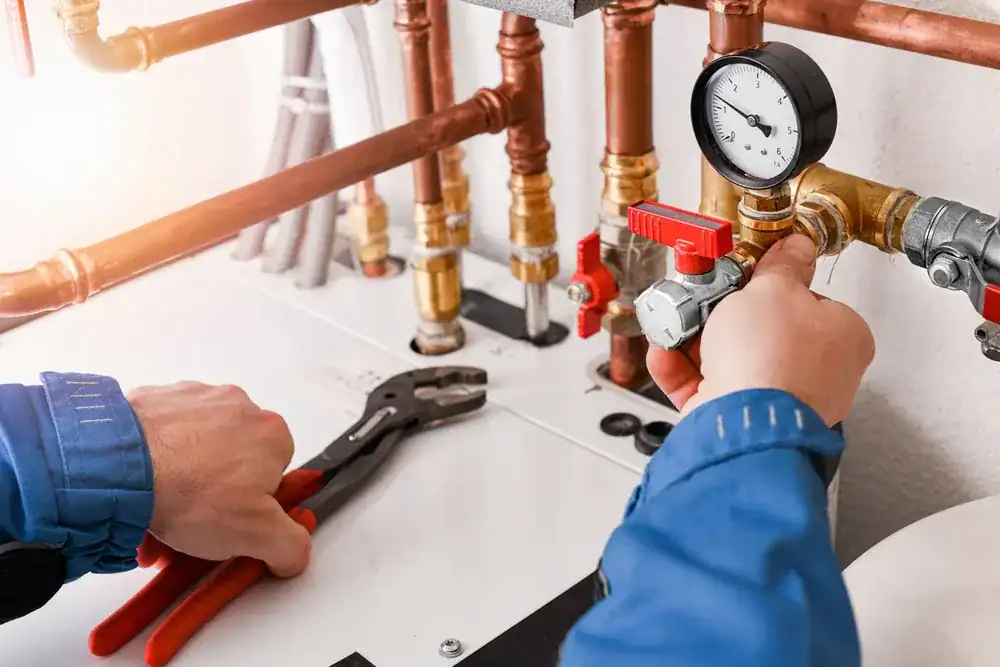
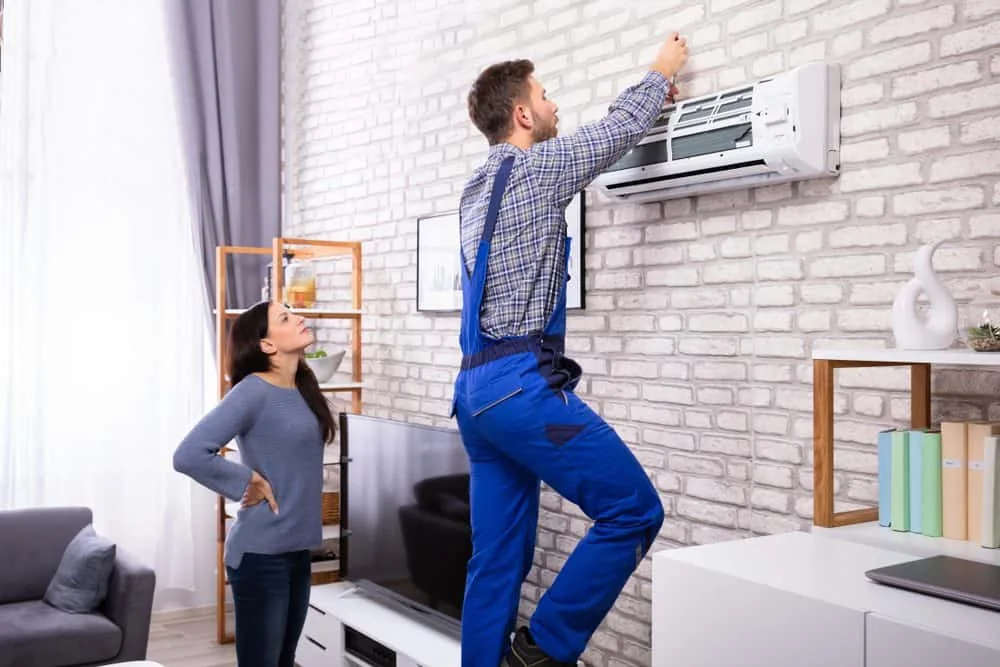
Our technicians inspect electrical connections to ensure they’re tight and corrosion-free. They test safety controls to confirm that shut-off switches and pressure relief valves are functioning. They measure system performance to verify that airflow, refrigerant levels, and temperature differentials are within manufacturer specifications. They clean critical components like evaporator coils and condensate drain lines that homeowners can’t easily access. And they identify wear patterns that signal a part is nearing failure—so you can replace it on your schedule, not during a breakdown.
That preventive approach saves money over time. Regular maintenance can extend the life of your HVAC equipment by up to thirty percent. For a system that typically lasts fifteen to twenty years, that’s an extra three to six years of service—delaying a replacement that can cost $5,000 to $11,000. It also keeps your system running at peak efficiency, which lowers your energy bills. A well-maintained system uses less power to deliver the same level of comfort, and those savings add up month after month.
Professional service also gives you peace of mind. You’re not guessing whether the system is safe. You’re not wondering if you missed something during your DIY inspection. You have documentation that the work was done correctly by a licensed technician who knows what to look for. That matters when you file a warranty claim, when you sell your home, and when you’re trying to sleep at night knowing your family is safe.
And when something does go wrong, you have a relationship with a company that knows your system. We’ve serviced it before. We have records of what’s been done and what might need attention. That familiarity speeds up diagnosis and repair, which means less downtime and lower costs. Compare that to calling a random company during an emergency and hoping they can figure out your system on the fly.
Making Smarter Decisions About HVAC Maintenance in Nassau County
You don’t need to hire a technician every time you want to check your air filter. But you do need to recognize when a task requires professional training, specialized tools, and the kind of experience that prevents costly mistakes.
Change your filters. Keep your outdoor unit clear. Check your thermostat settings. Those are reasonable DIY tasks that help your system run smoothly. But when it comes to refrigerant work, electrical repairs, gas line service, or anything that affects your warranty, call someone who’s trained to do it right. The cost of professional service is predictable and manageable. The cost of a voided warranty, a safety incident, or a major repair caused by DIY mistakes is not.
If you’re in Nassau County and you want to make sure your HVAC system is maintained correctly—without risking your warranty or your safety—reach out to us at Cool Bros Corp. We’ve been helping homeowners and businesses across the area keep their systems running efficiently for over eight years, and we know what it takes to do the job right the first time.