Your complete guide to seasonal HVAC maintenance that keeps Nassau County, NY homes comfortable year-round while extending equipment life.
Nassau County, NY’s climate puts unique stress on heating and cooling systems. Your equipment faces everything from humid summers that strain air conditioners to harsh winters that push heating systems to their limits.
Without proper maintenance, this constant demand takes a serious toll. Systems break down when you need them most, energy bills skyrocket, and what should be minor issues turn into major expenses. The numbers are compelling—regular maintenance extends system life by 5-10 years while cutting repair frequency by up to 85%.
Most importantly, seasonal maintenance catches small problems before they become costly disasters. A loose connection spotted during a spring tune-up might cost $50 to fix, but if left alone, it could lead to a $3,000 compressor replacement in July when your family needs cooling most.
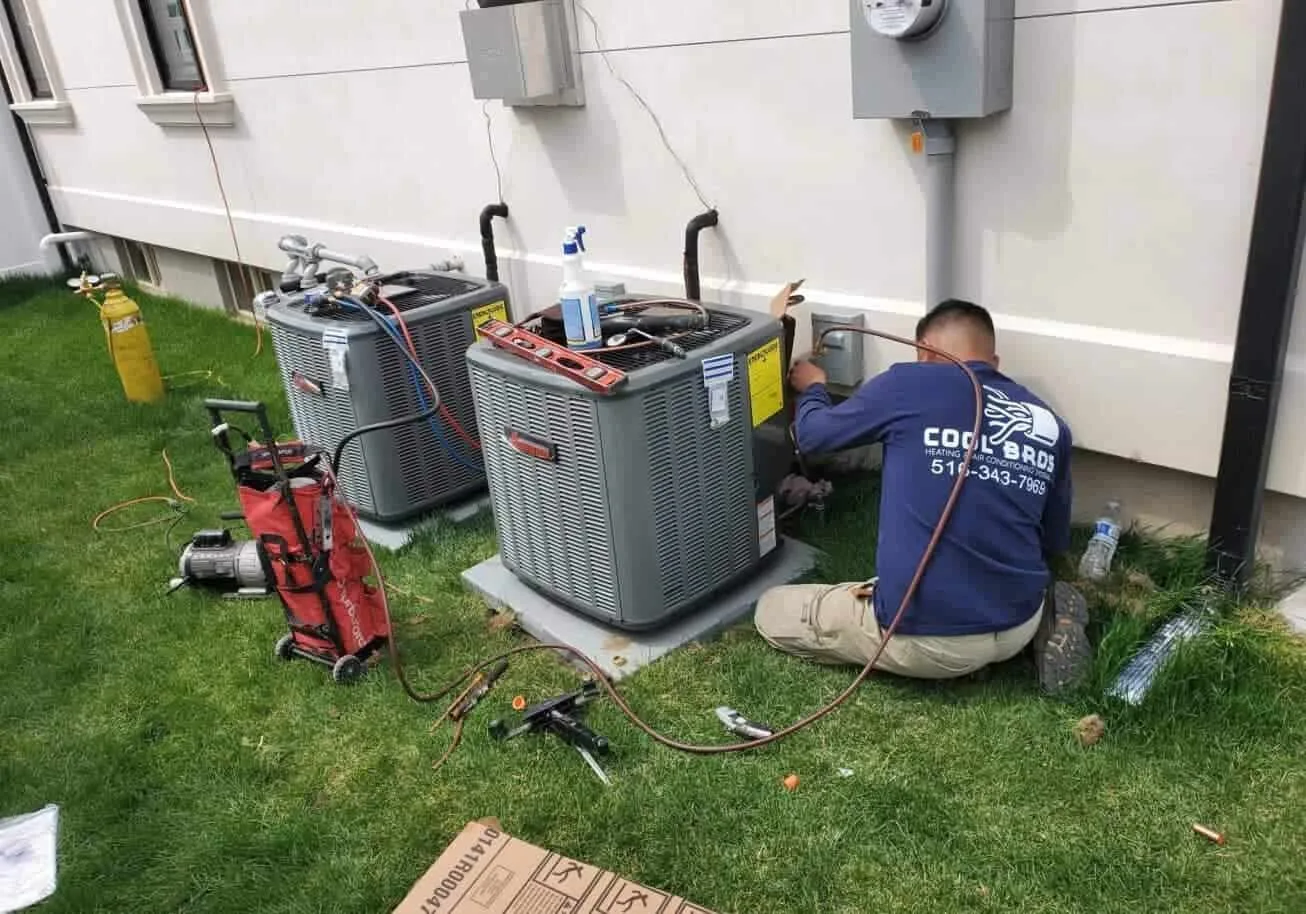
Spring maintenance focuses on getting your air conditioning system ready for Long Island’s hot, humid summers. This seasonal checkup should happen before the first heat wave hits, typically in late April or early May.
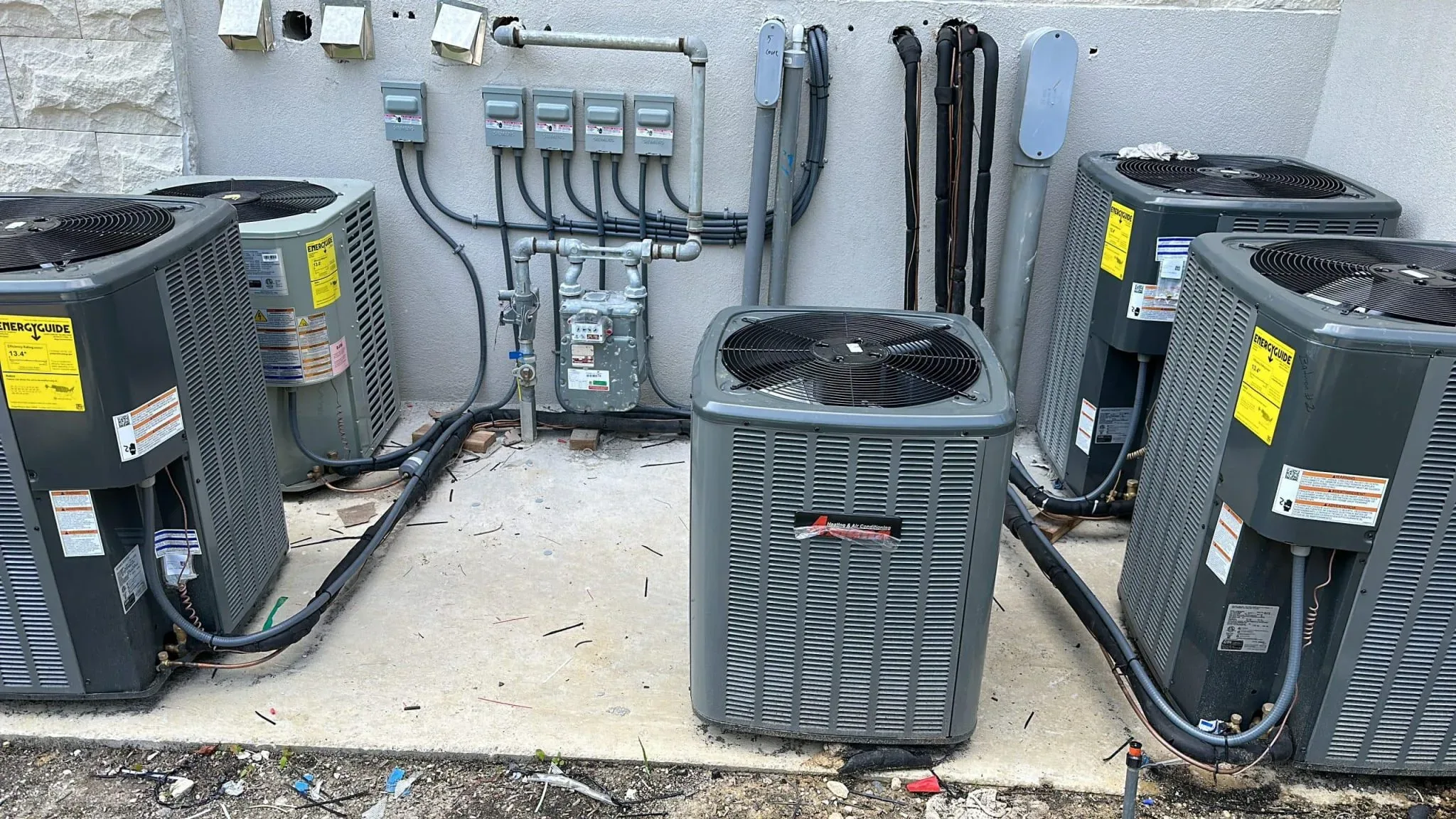
Start with your outdoor unit. Winter weather, falling leaves, and debris can clog the condenser coils and block airflow. Clear away any branches, leaves, or other obstructions from around the unit. The area should be clean for at least two feet in all directions. Dirty coils force your system to work harder, which means higher energy bills and more wear on components.
Next, check and replace your air filter. A clogged filter is one of the biggest enemies of HVAC efficiency. It restricts airflow, making your system work harder to move air through your home. During peak cooling season, you might need to change filters monthly, especially if you have pets or family members with allergies.
Don’t forget your thermostat settings. For optimal comfort and energy savings during Nassau County, NY summers, set your thermostat to 78°F when you’re home. When you’re away, raising it to 85°F can significantly reduce cooling costs. A programmable or smart thermostat makes these adjustments automatic.
Professional spring maintenance should include checking refrigerant levels, testing electrical connections, lubricating moving parts, and calibrating your thermostat. These tasks require specialized tools and expertise, but they’re crucial for preventing summer breakdowns and maintaining peak efficiency.
Spring maintenance focuses on getting your air conditioning system ready for Long Island’s hot, humid summers. This seasonal checkup should happen before the first heat wave hits, typically in late April or early May.
Start with your outdoor unit. Winter weather, falling leaves, and debris can clog the condenser coils and block airflow. Clear away any branches, leaves, or other obstructions from around the unit. The area should be clean for at least two feet in all directions. Dirty coils force your system to work harder, which means higher energy bills and more wear on components.
Next, check and replace your air filter. A clogged filter is one of the biggest enemies of HVAC efficiency. It restricts airflow, making your system work harder to move air through your home. During peak cooling season, you might need to change filters monthly, especially if you have pets or family members with allergies.
Don’t forget your thermostat settings. For optimal comfort and energy savings during Nassau County, NY summers, set your thermostat to 78°F when you’re home. When you’re away, raising it to 85°F can significantly reduce cooling costs. A programmable or smart thermostat makes these adjustments automatic.
Professional spring maintenance should include checking refrigerant levels, testing electrical connections, lubricating moving parts, and calibrating your thermostat. These tasks require specialized tools and expertise, but they’re crucial for preventing summer breakdowns and maintaining peak efficiency.
Want live answers?
Connect with a Cool Bros expert for fast, friendly support.
Skipping seasonal maintenance might seem like a way to save money, but it actually costs Nassau County, NY homeowners thousands in the long run. The numbers are stark—every dollar spent on preventive maintenance saves four dollars in repair costs.
Emergency repairs during peak seasons cost 50-100% more than regular service calls. When your air conditioner fails during a July heat wave or your heating system quits during a January cold snap, you’re paying premium rates for emergency service, often with limited contractor availability.
Even worse, neglected systems fail years earlier than properly maintained ones. The average HVAC system lasts 15-25 years with proper care, but poorly maintained systems often need replacement after just 10-12 years. That means you’re buying a new system 5-10 years sooner than necessary.
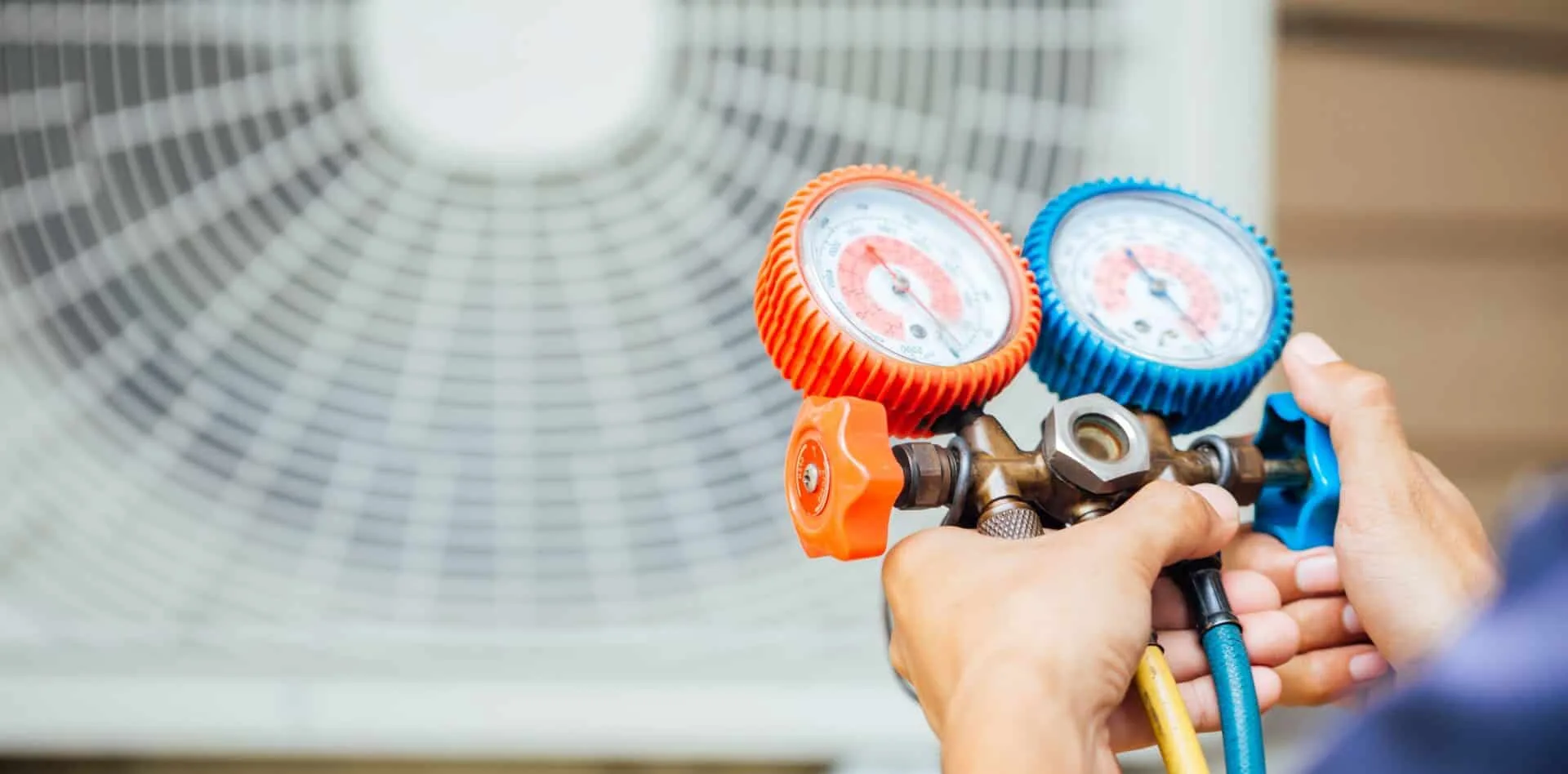
Proper HVAC maintenance can improve your system’s energy efficiency by up to 30%, which translates directly to lower utility bills. In Nassau County, NY, where energy costs continue rising, these savings add up quickly over the life of your system.
Clean systems work more efficiently. When air filters are clean, coils are free of debris, and all components are properly lubricated, your system doesn’t have to work as hard to heat or cool your home. A well-maintained system delivers 10-46% more airflow compared to a neglected one.
Regular maintenance also prevents the gradual efficiency loss that occurs as systems age. Small issues like dirty coils, worn belts, or low refrigerant levels might not cause immediate breakdowns, but they force your system to consume more energy to deliver the same comfort level.
Smart thermostats, when properly calibrated during maintenance visits, can save an additional 10-15% on heating and cooling costs. These devices learn your schedule and preferences, making automatic adjustments that reduce energy waste without sacrificing comfort.
The cumulative effect is significant. A homeowner spending $2,000 annually on heating and cooling could save $300-600 per year through proper maintenance and efficiency improvements. Over the 15-20 year life of an HVAC system, that’s $4,500-12,000 in energy savings alone.
Your HVAC system represents a significant investment—often $5,000-15,000 or more for Nassau County, NY homes. Protecting that investment through regular maintenance isn’t just smart; it’s often required to maintain your warranty coverage.
Most HVAC manufacturers require annual professional maintenance to keep warranties valid. If you skip maintenance and later need warranty service, you might find your claim denied because you didn’t follow the manufacturer’s care requirements. This could leave you paying thousands out of pocket for repairs that should have been covered.
Regular maintenance also extends your system’s lifespan significantly. HVAC systems that receive proper seasonal care can last 20+ years, while neglected systems often fail after 10-12 years. The difference represents thousands in avoided replacement costs.
Beyond warranty protection, maintenance prevents the small issues that lead to major component failures. A worn fan belt might cost $50 to replace during a maintenance visit, but if it breaks during peak season, it could damage the blower motor, turning a minor repair into a major expense.
We also spot safety issues that could put your family at risk. Gas leaks, electrical problems, and carbon monoxide hazards are serious concerns that regular maintenance helps prevent. For Nassau County, NY families, this peace of mind is invaluable.
The documentation from regular maintenance visits also helps if you need emergency service or are selling your home. A well-maintained system with service records is more attractive to buyers and often commands a higher resale value.
Seasonal HVAC maintenance isn’t just about preventing breakdowns—it’s about protecting your family’s comfort, your home’s value, and your financial security. The benefits are clear: extended system life, lower energy bills, fewer repairs, and peace of mind during Nassau County, NY’s extreme weather.
Don’t wait for the next heat wave or cold snap to discover your system isn’t ready. The best time to schedule maintenance is before you need your system most. Spring maintenance prepares you for summer’s demands, while fall service ensures your heating system is ready for winter’s challenges.
When you’re ready to give your HVAC system the professional care it deserves, we’re here to help. Our experienced technicians understand Nassau County, NY’s unique climate demands and provide the thorough, reliable maintenance your system needs to serve your family for years to come.
Summary: