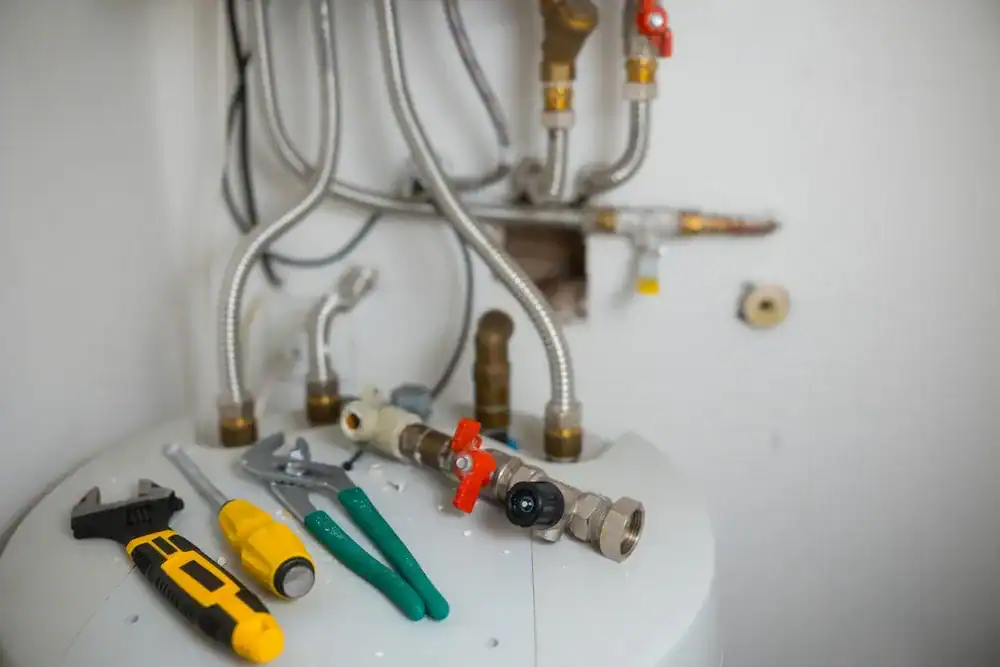
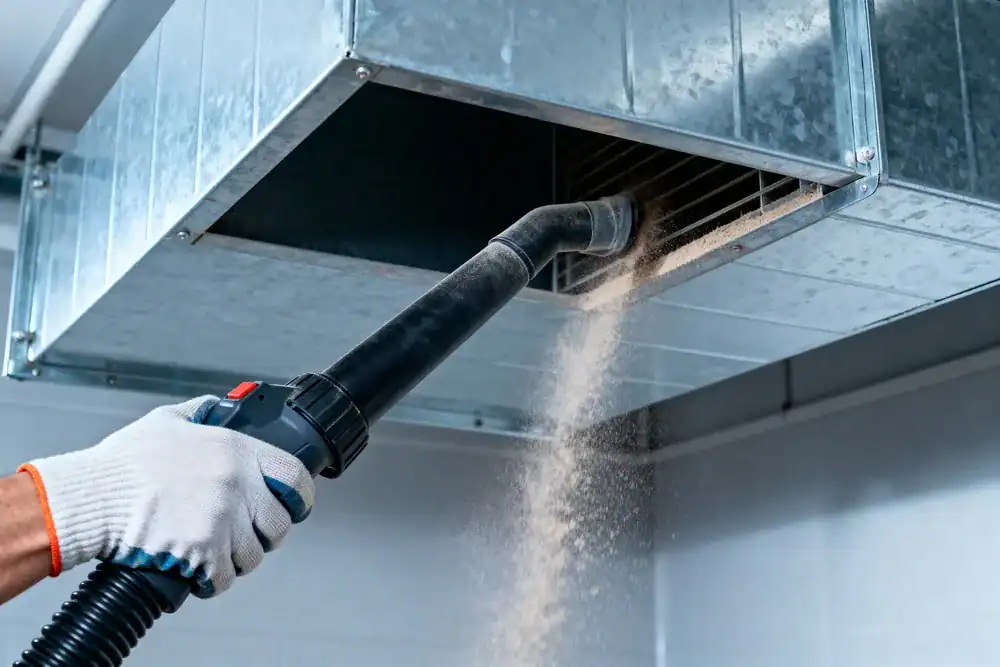
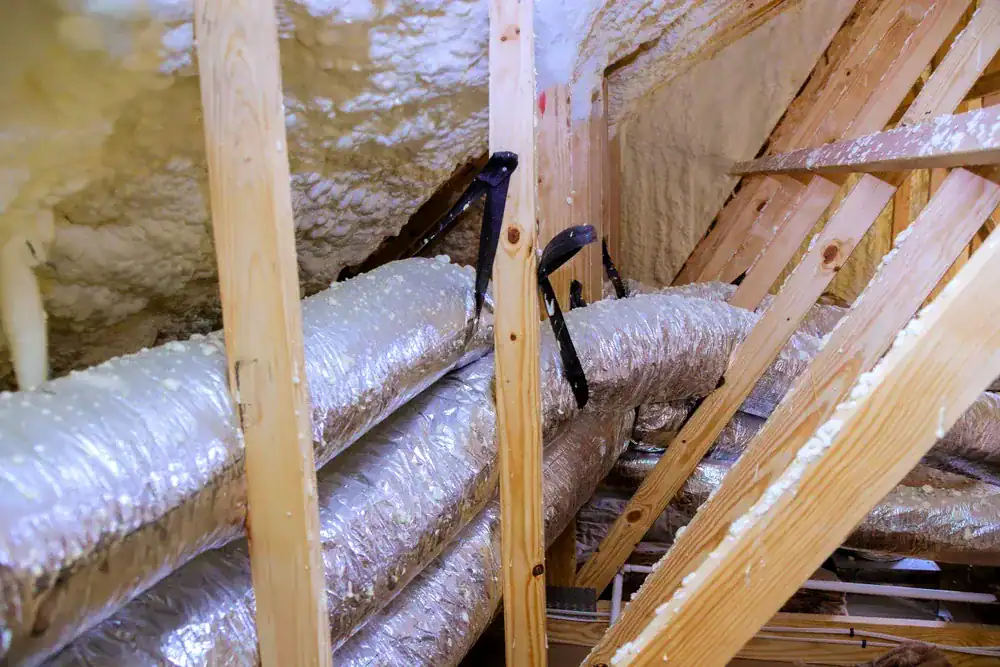
Long Island's coastal winters create unique heating challenges. Learn why fall maintenance prevents mid-winter emergencies and keeps your Nassau County home comfortable when temperatures drop below freezing.
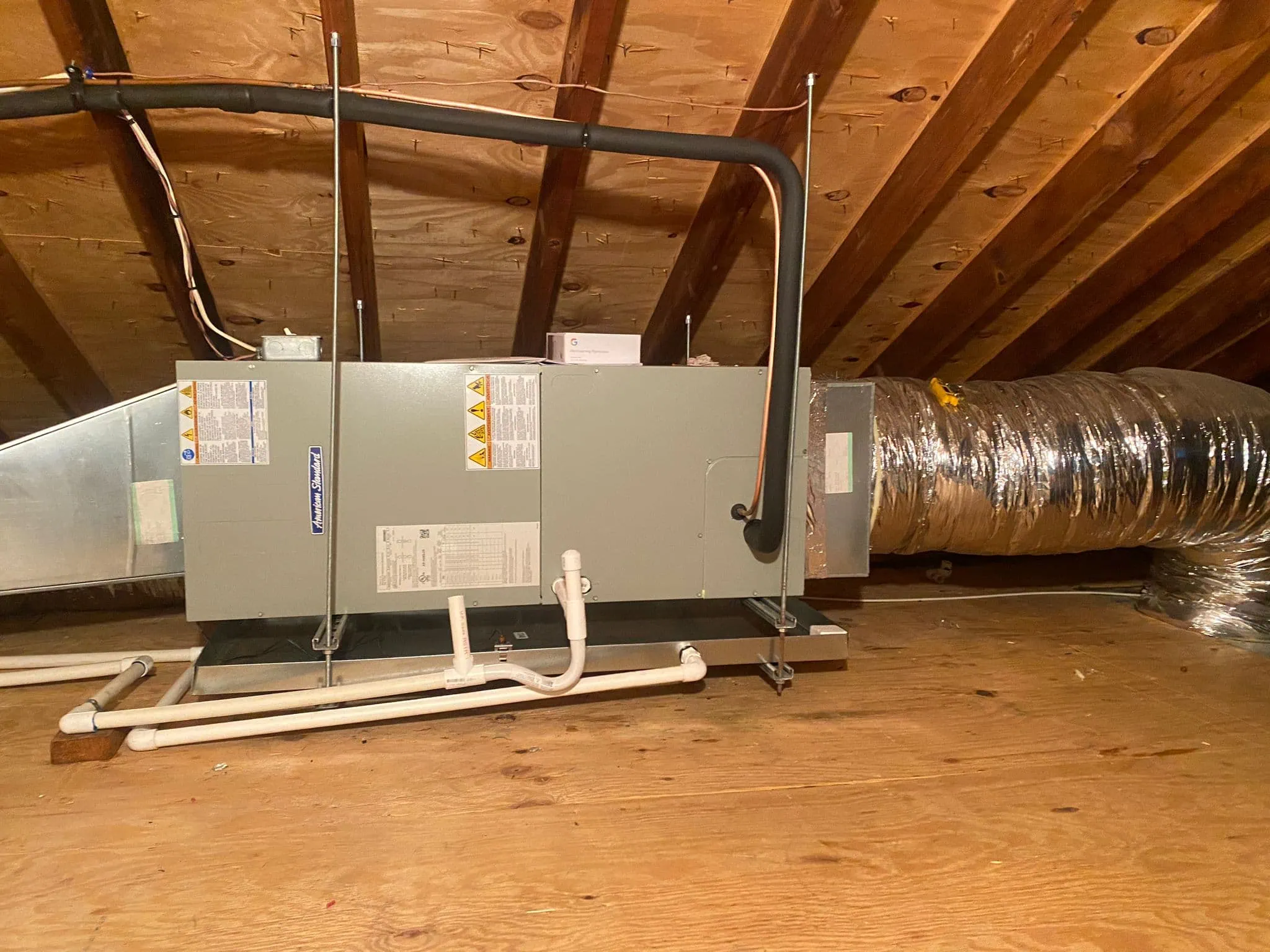
Long Island winters aren’t forgiving. Temperatures regularly drop below 16°F, and when your heat fails at 2 AM during a January cold snap, you’re not just uncomfortable—you’re dealing with a potential safety issue for your family.
Here’s what most homeowners don’t realize: your heating system doesn’t just turn off during summer. It’s actively degrading. Seals dry out. Components settle and shift. Dust and debris accumulate in places that matter. Nassau County’s hard water leaves mineral deposits that reduce efficiency and damage parts. Coastal humidity and salt air corrode metal components faster than in inland areas.
When you fire up your system for the first time in months, all those hidden issues either cause immediate failure or force your system to work inefficiently—burning through energy and shortening its lifespan. Professional maintenance catches these problems while they’re still small, fixable, and affordable. It’s the difference between a $150 tune-up in October and an $800 emergency repair in December when you actually need heat.

Nassau County, NY isn’t just cold in winter—it’s coastal, humid, and has water quality issues that create unique challenges for heating systems. These factors create a perfect storm for heating equipment damage that you won’t see coming.
Start with the hard water. Nassau County’s water contains high mineral content that builds up inside boilers and water-based heating systems. Over time, this buildup acts like plaque in arteries—restricting flow, reducing efficiency, and causing premature component failure. A boiler that should last 20 years might need replacement at 12 if mineral buildup isn’t addressed during regular maintenance.
Then there’s the coastal environment. Salt air doesn’t just corrode outdoor AC units—it affects heating equipment too, especially components exposed to outside air during ventilation. The combination of salt, moisture, and temperature swings accelerates metal degradation. Vent pipes, heat exchangers, and outdoor components all take a beating that inland systems never experience.
Summer humidity is another factor people overlook. When your heating system sits unused during humid Long Island summers, moisture can settle inside the unit. This creates conditions for rust, corrosion, and even mold growth in ductwork. When you turn the heat on in fall, you might notice musty smells—that’s not just dust burning off.
Temperature swings between seasons also stress heating equipment in ways you don’t see. Expansion and contraction from temperature changes can loosen connections, crack seals, and shift components out of alignment. What worked fine in March might have developed issues by October, even though you never used it.
Our technicians understand Nassau County’s climate and know exactly what to look for during maintenance. We use specialized cleaning methods for hard water deposits, check for corrosion in coastal-affected areas, and inspect seals and connections that temperature swings typically damage. This local knowledge makes a real difference in how long your system lasts and how reliably it performs when you need it most.
Nassau County, NY isn’t just cold in winter—it’s coastal, humid, and has water quality issues that create unique challenges for heating systems. These factors create a perfect storm for heating equipment damage that you won’t see coming.
Start with the hard water. Nassau County’s water contains high mineral content that builds up inside boilers and water-based heating systems. Over time, this buildup acts like plaque in arteries—restricting flow, reducing efficiency, and causing premature component failure. A boiler that should last 20 years might need replacement at 12 if mineral buildup isn’t addressed during regular maintenance.
Then there’s the coastal environment. Salt air doesn’t just corrode outdoor AC units—it affects heating equipment too, especially components exposed to outside air during ventilation. The combination of salt, moisture, and temperature swings accelerates metal degradation. Vent pipes, heat exchangers, and outdoor components all take a beating that inland systems never experience.
Summer humidity is another factor people overlook. When your heating system sits unused during humid Long Island summers, moisture can settle inside the unit. This creates conditions for rust, corrosion, and even mold growth in ductwork. When you turn the heat on in fall, you might notice musty smells—that’s not just dust burning off.
Temperature swings between seasons also stress heating equipment in ways you don’t see. Expansion and contraction from temperature changes can loosen connections, crack seals, and shift components out of alignment. What worked fine in March might have developed issues by October, even though you never used it.
Our technicians understand Nassau County’s climate and know exactly what to look for during maintenance. We use specialized cleaning methods for hard water deposits, check for corrosion in coastal-affected areas, and inspect seals and connections that temperature swings typically damage. This local knowledge makes a real difference in how long your system lasts and how reliably it performs when you need it most.
Want live answers?
Connect with a Cool Bros expert for fast, friendly support.
Certain heating problems show up repeatedly in Nassau County, NY homes. Understanding what typically goes wrong helps you recognize warning signs early and know when to call for professional help instead of hoping the problem goes away on its own.
Noisy operation is one of the most common complaints. Banging, clanging, or rattling sounds usually indicate mechanical issues—loose components, worn bearings, or problems with the blower motor. Whistling or high-pitched sounds often point to airflow restrictions or pressure imbalances. These noises aren’t just annoying—they’re your system telling you something needs attention before it fails completely on the coldest night of the year.
Uneven heating is another frequent issue that drives homeowners crazy. Some rooms stay cold while others overheat. This typically results from ductwork problems, airflow imbalances, or inadequate insulation. Sometimes it’s as simple as closed vents or blocked returns, but often it indicates that your system needs professional balancing or that ductwork has developed leaks that are wasting your heated air.
Frequent cycling—where your furnace turns on and off repeatedly in short intervals—wastes energy and indicates underlying problems you can’t ignore. Common causes include incorrect thermostat calibration, oversized equipment, clogged filters restricting airflow, or faulty control boards. This short cycling puts tremendous stress on components and dramatically shortens equipment lifespan.
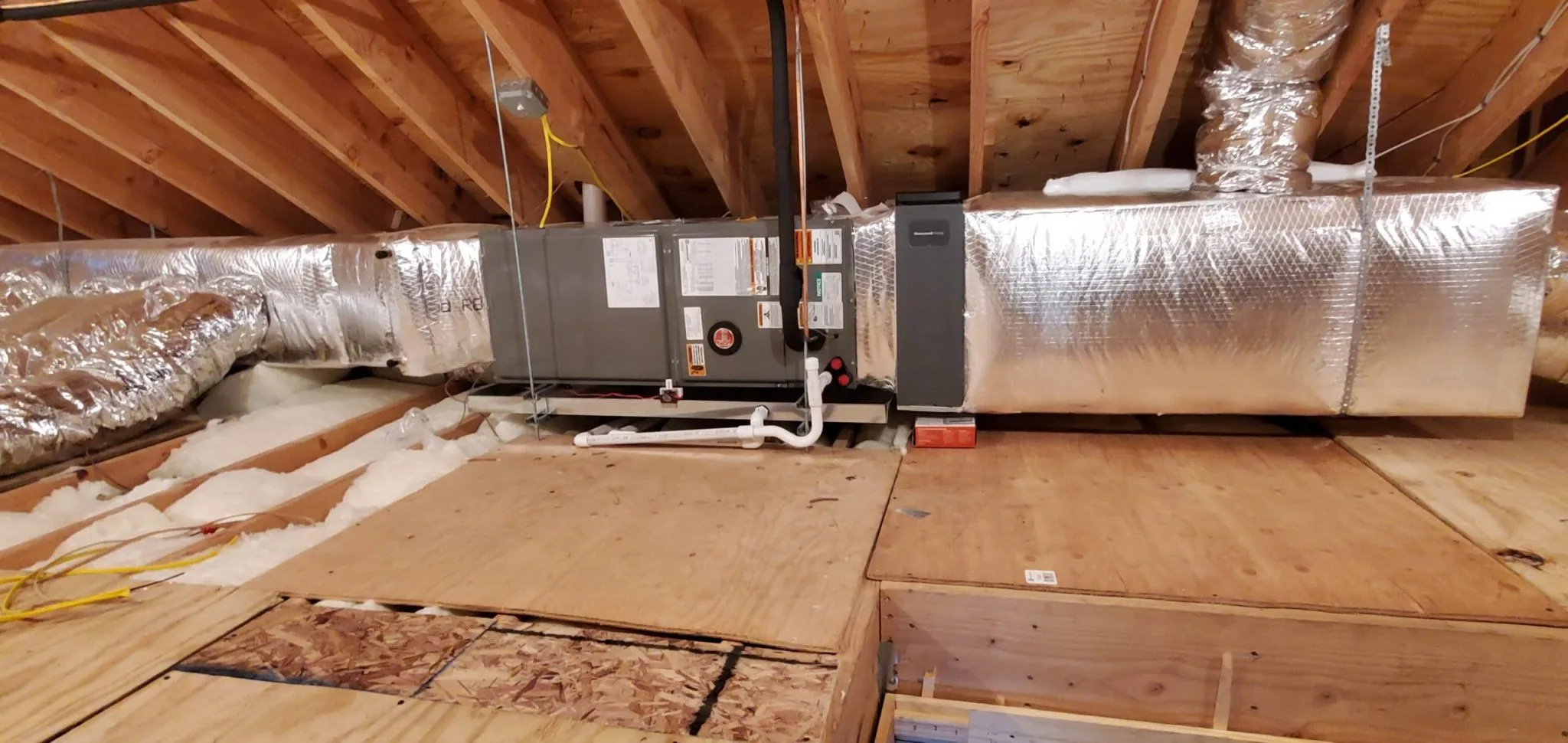
Few things are more frustrating than a furnace that won’t start on the coldest day of the year. But this problem rarely happens without warning—there are usually signs beforehand that most homeowners miss or ignore until it’s too late.
Ignition problems are extremely common with modern furnaces. Electronic ignition systems can fail for various reasons. A dirty or faulty flame sensor might not detect that the burner is lit, causing the system to shut down for safety. A malfunctioning ignition control module might not send the signal to light the burners at all. These components wear out over time and need replacement—it’s not a matter of if, but when.
Thermostat issues cause no-start problems more often than people realize. Dead batteries are the simplest culprit—many thermostats will stop working entirely when batteries die, not just lose their programming. Incorrect settings or programming can prevent the system from calling for heat. Faulty wiring or a broken thermostat might not communicate with the furnace at all. You think your heat is broken when really it’s just not getting the signal to turn on.
Electrical problems also prevent startup. Tripped circuit breakers are common, especially if your electrical panel is older or if the furnace draws more power than it should due to failing components. Blown fuses, loose wiring, or failed transformers can all prevent the furnace from receiving power it needs to operate.
Safety switches and limit switches are designed to shut your system down if something’s wrong. A furnace door that’s not properly closed will prevent operation—an important safety feature. A clogged condensate drain on high-efficiency furnaces will trigger a safety switch. A dirty filter restricting airflow can cause the limit switch to trip, shutting the system down to prevent overheating and potential fire hazards.
Pilot light problems affect older furnaces with standing pilot lights. The pilot might go out due to drafts, a dirty pilot orifice, or a faulty thermocouple. If the thermocouple doesn’t sense the pilot flame, it won’t allow gas to flow to the main burners—a critical safety feature that prevents gas leaks but also means your furnace won’t heat.
When your furnace won’t start, resist the temptation to repeatedly press the reset button. Pressing it once is fine—sometimes systems just need a reset after a power outage or minor glitch. But pressing it multiple times can flood the burner with fuel, creating a dangerous situation that could lead to a delayed ignition explosion. If one reset doesn’t work, it’s time to call us.
Gas smells are never normal. If you smell gas near your furnace, don’t try to diagnose the problem yourself. Leave the area, don’t operate any electrical switches or create sparks, and call your gas company’s emergency line immediately. Gas leaks are serious safety hazards that require immediate professional attention—not something to mess with.
Your heating bill shouldn’t surprise you every month. If you’re seeing steady increases despite similar usage patterns and temperatures, your system is likely losing efficiency—and that costs you real money every single day it runs.
Efficiency loss happens gradually, so you don’t notice it month to month. A furnace that’s 95% efficient when new might drop to 80% efficient after several years without maintenance. That 15% difference means 15% of your fuel is being wasted—turned into pollution instead of heat for your home. On a $200 monthly heating bill, that’s $30 wasted every month, or $120-150 over a winter season. Multiply that over several years and you’ve wasted enough money to pay for a new system.
Dirty or clogged filters are the most common cause of efficiency loss that homeowners can actually prevent. When airflow is restricted, your furnace has to run longer to heat your home to the same temperature. The blower motor works harder, consuming more electricity. The heat exchanger doesn’t transfer heat efficiently because air isn’t moving across it properly. Some homeowners don’t realize filters need changing every 1-3 months during heating season—not once a year.
Dirty burners and flame sensors cause incomplete combustion that wastes fuel. When fuel doesn’t burn completely, you get less heat from the same amount of gas or oil. You might notice a yellow or orange flame instead of a steady blue flame—that’s a sign of combustion problems that waste energy and can create dangerous carbon monoxide.
Ductwork leaks are silent efficiency killers you can’t see. If your ducts run through unconditioned spaces like attics or crawlspaces, any leaks mean you’re heating those spaces instead of your home. Studies show that typical duct systems lose 20-30% of heated air through leaks and poor connections. You’re literally paying to heat your attic while your living room stays cold.
Aging equipment naturally loses efficiency as components wear out. A furnace that’s 15-20 years old might be operating at only 60% efficiency, even with good maintenance. Modern high-efficiency furnaces can reach 95-97% efficiency. If your equipment is old and your bills keep climbing, replacement might actually save you money within a few years through reduced operating costs.
Nassau County’s hard water buildup specifically affects boiler efficiency in ways most people don’t understand. Mineral deposits inside the heat exchanger act as insulation, preventing efficient heat transfer from the flame to the water. Your boiler has to fire longer and more frequently to achieve the same temperature. Professional cleaning removes these deposits and restores efficiency—often cutting fuel consumption by 10-15%.
Thermostat placement and calibration also affect efficiency more than you’d think. A thermostat located near a draft, in direct sunlight, or near a heat source will give false readings. Your furnace might be heating your home to 72°F, but the thermostat thinks it’s only 68°F because of its poor location, so it keeps running. Proper calibration and placement can reduce runtime and costs without sacrificing comfort.
If your energy bills are climbing year after year, don’t just accept it as normal aging or blame it entirely on fuel prices. Have us assess your system’s efficiency, check for ductwork leaks, verify proper combustion, and look for the specific issues that cause efficiency loss. The cost of a maintenance visit is typically recovered within one heating season through reduced energy costs.
Long Island winters demand reliable heating systems that work when you need them most. The difference between a comfortable home and a mid-winter emergency often comes down to whether you addressed small problems before they became big ones that leave your family in the cold.
Professional heating maintenance catches issues while they’re still affordable to fix. It prevents the efficiency loss that quietly inflates your energy bills all season. It extends your equipment’s lifespan by years, delaying the need for expensive replacement. Most importantly, it gives you confidence that your family will stay warm and safe no matter how cold it gets outside.
Don’t wait for the first cold snap to discover your heating system has problems. Fall maintenance—ideally in September or October—ensures your system is ready before you actually need it. If you’re in Nassau County, NY and want heating maintenance from technicians who understand the coastal climate challenges, hard water issues, and specific problems Long Island systems face, reach out to us at Cool Bros. Local experience makes a difference when winter weather hits and temperatures drop below freezing.
Summary: