Getting a new air conditioner installed? This guide walks you through the entire central AC installation process in Nassau County, from your first quote to final testing.
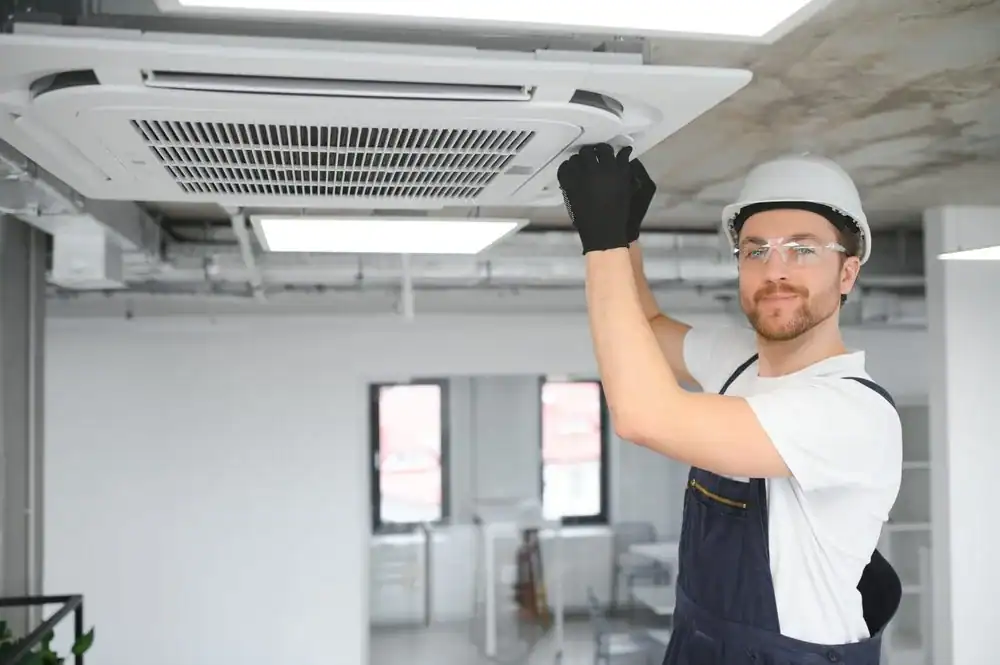
Before any equipment gets ordered or installation gets scheduled, one of our qualified technicians needs to assess your home. This isn’t a sales pitch—it’s a necessary step to ensure you get a system that actually fits your needs.
During the consultation, we’ll measure your home’s square footage, evaluate your existing ductwork condition, and check your electrical panel capacity. We’re also assessing factors like insulation quality and window efficiency.
All of this goes into calculating your home’s cooling load to determine the right system size. An oversized unit cycles on and off too frequently, wasting energy and failing to dehumidify properly. An undersized unit runs constantly and never quite cools your home the way you need.
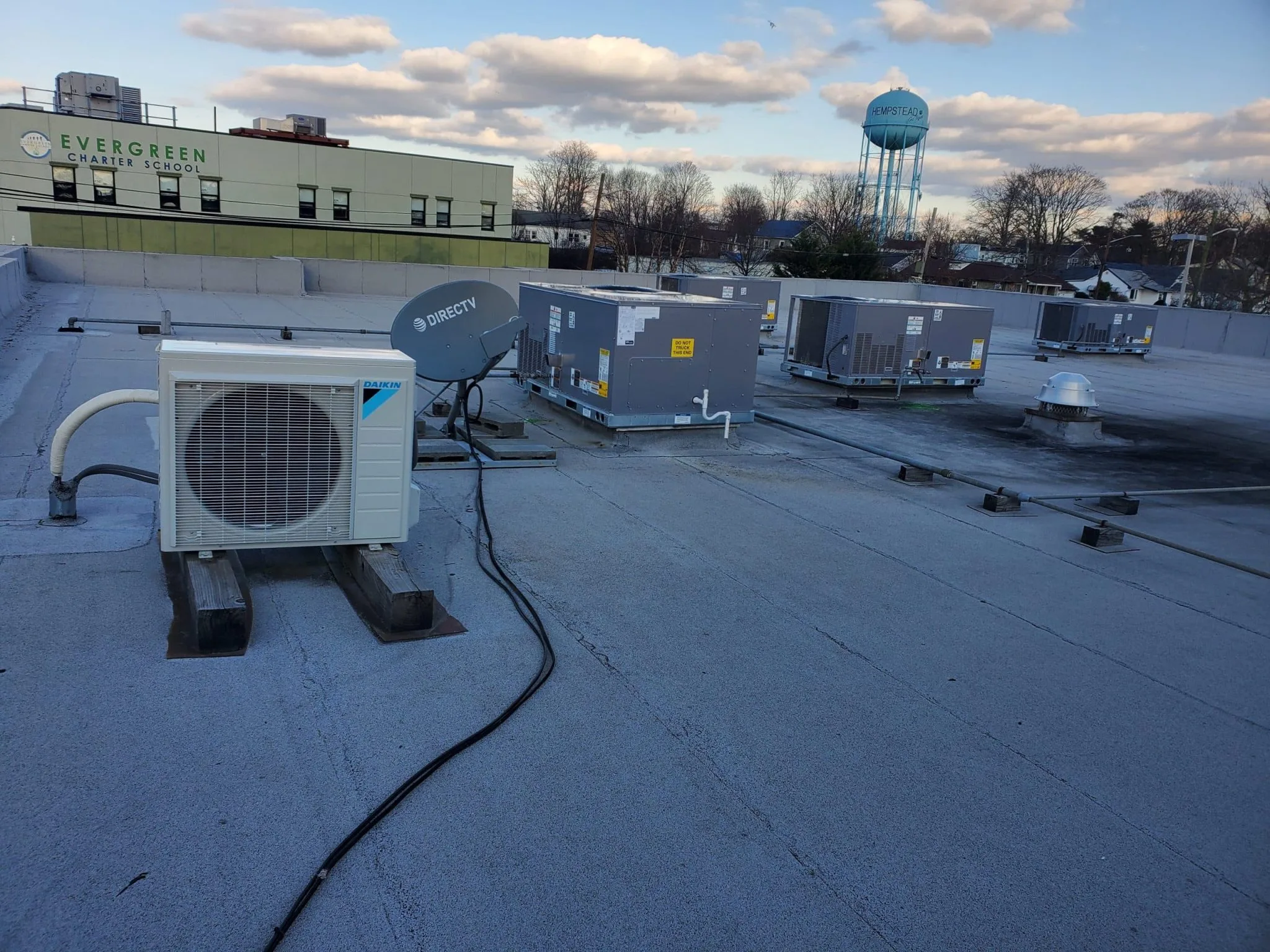
Let’s talk about what you’re actually paying for, because AC installation cost involves more than just the equipment price tag.
The system itself varies based on size, efficiency rating, and features. A basic central AC unit for a typical Nassau County home might start around $3,000 to $5,000 for the equipment alone. High-efficiency systems with advanced features can reach $8,000 to $12,000 or more.
SEER ratings matter here—systems rated 15 or higher cost more upfront but deliver significant energy savings over their 15-20 year lifespan. Installation labor typically adds another $1,500 to $3,000, depending on the complexity of your job.
If your home already has ductwork in good condition and your electrical system can handle the new unit, installation is straightforward. But if you need ductwork repairs, electrical panel upgrades, or modifications to accommodate a larger modern unit, those costs add up.
New air conditioners are 20-50% larger than units from 30 years ago. That bigger size allows for larger cooling coils and better efficiency, but it might mean modifying the space where your old unit sat. Sometimes the indoor air handler needs to be relocated to meet current building codes or manufacturer specifications.
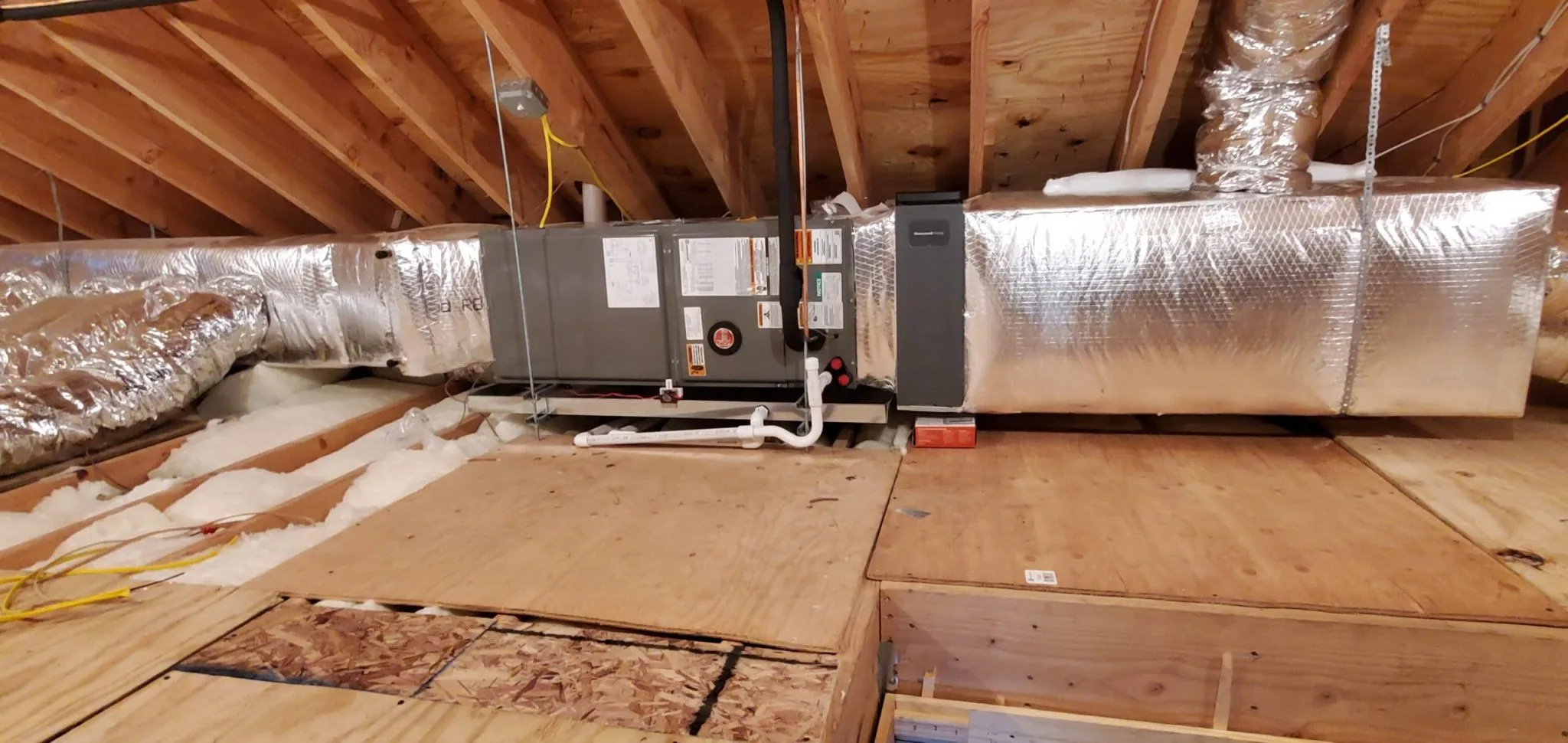
Other factors affecting cost include your home’s age and layout. Multi-story homes, tight crawl spaces, or attic installations take longer and require more labor. If you’re in an older Nassau County colonial with original ductwork, expect us to recommend sealing leaks or replacing sections—duct leaks can reduce your system’s efficiency by 20-30%.
We provide itemized estimates that break down equipment costs, labor, any necessary modifications, and permit fees. No surprises, no hidden charges that appear on the final bill. You’ll know exactly what you’re paying for before installation day.
Let’s talk about what you’re actually paying for, because AC installation cost involves more than just the equipment price tag.
The system itself varies based on size, efficiency rating, and features. A basic central AC unit for a typical Nassau County home might start around $3,000 to $5,000 for the equipment alone. High-efficiency systems with advanced features can reach $8,000 to $12,000 or more.
SEER ratings matter here—systems rated 15 or higher cost more upfront but deliver significant energy savings over their 15-20 year lifespan. Installation labor typically adds another $1,500 to $3,000, depending on the complexity of your job.
If your home already has ductwork in good condition and your electrical system can handle the new unit, installation is straightforward. But if you need ductwork repairs, electrical panel upgrades, or modifications to accommodate a larger modern unit, those costs add up.
New air conditioners are 20-50% larger than units from 30 years ago. That bigger size allows for larger cooling coils and better efficiency, but it might mean modifying the space where your old unit sat. Sometimes the indoor air handler needs to be relocated to meet current building codes or manufacturer specifications.
Other factors affecting cost include your home’s age and layout. Multi-story homes, tight crawl spaces, or attic installations take longer and require more labor. If you’re in an older Nassau County colonial with original ductwork, expect us to recommend sealing leaks or replacing sections—duct leaks can reduce your system’s efficiency by 20-30%.
We provide itemized estimates that break down equipment costs, labor, any necessary modifications, and permit fees. No surprises, no hidden charges that appear on the final bill. You’ll know exactly what you’re paying for before installation day.
Want live answers?
Connect with a Cool Bros expert for fast, friendly support.
Installation day finally arrives. You’ve selected your system, arranged financing, and scheduled the work. Now what actually happens?
First, our installation team arrives and walks you through the day’s plan. We’ll confirm equipment specifications, discuss the timeline, and answer any last-minute questions.
Expect us to lay down protective coverings on your floors and in work areas—we take care to protect your home. The process starts with safely removing your old system. This isn’t as simple as disconnecting and hauling it away.
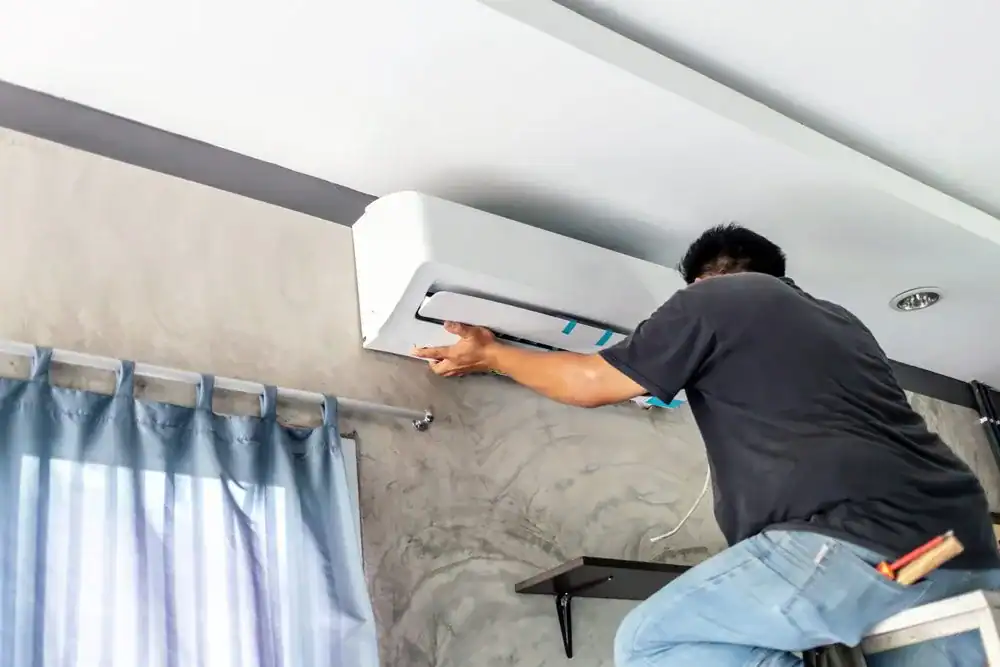
The most common question homeowners ask: how long will I be without air conditioning?
For a standard central AC installation with existing ductwork in good condition, expect 4-8 hours from start to finish. That’s one day, typically wrapping up before dinner.
We’ll remove your old system, install the new indoor evaporator coil and outdoor condenser unit, connect refrigerant lines, handle all electrical wiring, charge the system with refrigerant, and run comprehensive tests to ensure everything operates correctly. Several factors extend that timeline.
If your ductwork needs AC repairs or modifications, add several hours or potentially another day. Older homes with deteriorated ducts, crushed sections, or undersized return vents require attention before the new system can perform efficiently. Electrical panel upgrades add time too—modern high-efficiency systems sometimes need dedicated circuits that older panels can’t provide.
Complex installations take longer. Multi-story homes, installations in tight crawl spaces or attics, or homes where the outdoor unit location is difficult to access all increase labor time. If you’re adding a zoning system with multiple thermostats, expect additional hours for the complexity of wiring and component installation.
Weather affects outdoor work too. We can’t safely install the outdoor condenser during heavy rain or extreme temperatures. We’ll reschedule rather than rush through unsafe conditions.
Most residential installations in Nassau County are completed in one day. You might lose AC for 6-10 hours under normal conditions. Plan accordingly—schedule installation on a mild day if possible, or arrange to spend the afternoon elsewhere if it’s the middle of summer.
Some companies offer same-day installation for emergency replacements, though you’ll pay a premium for that urgency. If your system dies during a heat wave, expect longer wait times as contractors work through a backlog of emergency calls. This is why proactive replacement before total failure saves both money and discomfort.
Let’s address the paperwork nobody wants to think about: permits and inspections.
Nassau County requires permits for HVAC installations. This isn’t bureaucratic nonsense—permits ensure your installation meets mechanical, electrical, and building codes that protect your safety and your home’s value.
Work cannot legally start until permits are approved, and inspections are scheduled after installation to verify compliance. We handle pulling permits. You shouldn’t need to visit the building department or navigate the application process yourself.
We submit the necessary paperwork, pay permit fees (typically included in your quoted price), and schedule required inspections. What happens if you skip permits? Plenty of unlicensed contractors will offer to install your system without “bothering” with permits, usually at a lower price.
Don’t fall for it. Unpermitted work leads to serious problems: fines from the county when discovered, failed home inspections when you try to sell, denied insurance claims if your system causes damage, and potential safety hazards if the installation doesn’t meet code.
The inspection process is straightforward. After installation, a building inspector verifies that the work matches approved plans, all electrical connections meet code, and refrigerant lines are properly installed. They confirm the system is correctly sized for your home and that safety protocols were followed.
If everything passes, you receive a certificate of completion. If issues are found, we’ll correct them and schedule a re-inspection. We welcome inspections—we’re confident our work meets or exceeds code requirements.
If a contractor discourages permits or claims they’re unnecessary, that’s a red flag. Licensed, insured contractors with solid reputations don’t cut corners on legal requirements. Permit timelines vary, but expect the process to add a few days to a week before installation can begin.
We factor this into your schedule so you’re not left waiting unexpectedly. Working with a contractor familiar with Nassau County requirements smooths this process considerably—we know which departments to contact, what documentation is needed, and how to avoid delays.
You’ve selected your system, arranged financing, and scheduled installation. Now it’s time to prepare your home so the process goes smoothly.
Start by clearing indoor and outdoor work areas. We’ll need access to your furnace or air handler location, attic or crawl space if applicable, electrical panel, and the outdoor condenser location.
Move furniture, storage boxes, or decorations away from these areas. Outside, trim shrubs or branches near where the outdoor unit will sit, and remove any obstacles like vehicles, trash cans, or equipment blocking access. When installation wraps up, we’ll walk you through your new system.
We’ll explain how to operate your thermostat, when to change filters, what maintenance your system needs, and what to watch for that might indicate problems. Don’t rush this conversation—understanding your system helps you get the most from your investment. Ready to move forward with your AC installation? We serve Nassau County homeowners with transparent pricing, certified technicians, and a commitment to getting the job done right.
Summary: