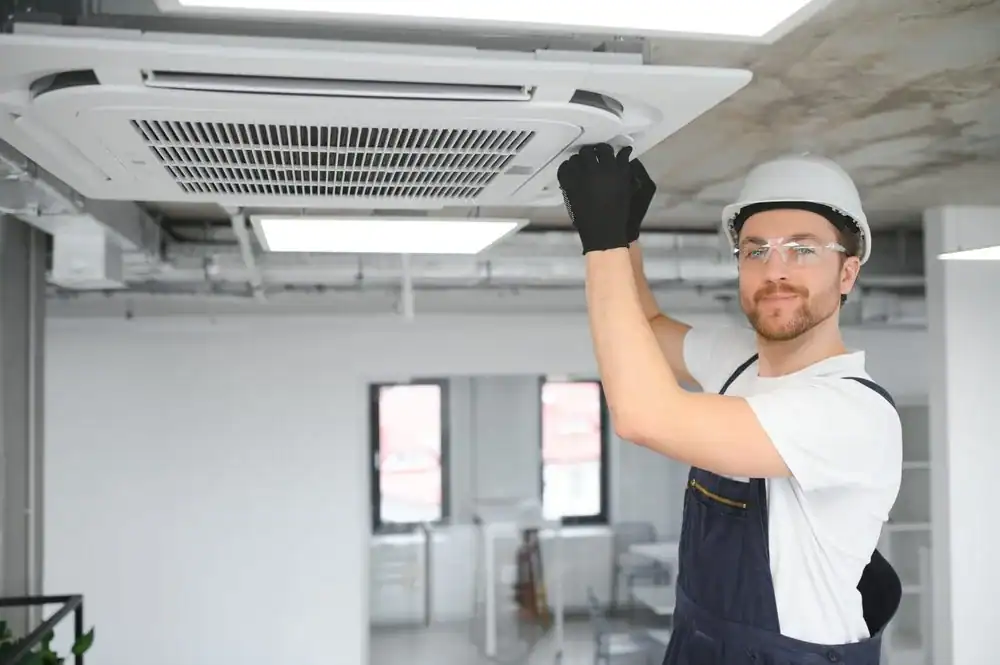
Energy-efficient HVAC upgrades can dramatically reduce your Nassau County utility bills while improving home comfort year-round.
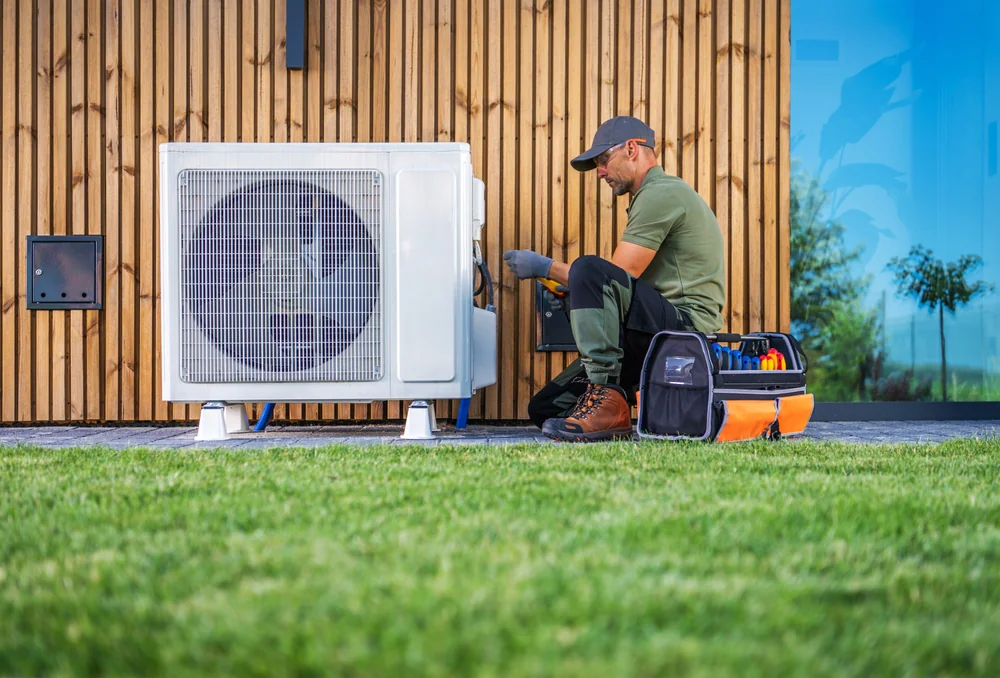
The difference between an old HVAC system and a modern energy-efficient one comes down to how much fuel or electricity gets wasted. Older systems—especially those over 15 years old—typically operate at 60-75% efficiency. That means 25-40% of the energy you’re paying for literally disappears without heating or cooling your home.
Modern high-efficiency systems flip that equation. ENERGY STAR-rated equipment can reduce your heating and cooling costs by 20-40% annually simply by converting more of your energy into actual comfort. For a Nassau County homeowner spending $310 monthly on electricity, that translates to potential savings of $62-$124 per month, or $744-$1,488 per year.
The technology behind this efficiency includes variable-speed compressors that adjust output based on actual need rather than running full-blast every time, improved heat exchangers that transfer energy more effectively, and smart controls that optimize performance based on real-time conditions. These aren’t minor tweaks—they’re fundamental improvements in how your system operates.

When you’re shopping for energy-efficient HVAC equipment, two ratings matter most: SEER for cooling and AFUE for heating. SEER (Seasonal Energy Efficiency Ratio) measures air conditioning efficiency—the higher the number, the less electricity your AC uses. Modern systems typically range from 14 to 21 SEER, while older units often sit around 8-10.
AFUE (Annual Fuel Utilization Efficiency) tells you what percentage of your heating fuel actually warms your home. A new high-efficiency boiler or furnace achieves 87-95% AFUE, meaning only 5-13% of your fuel is wasted. Compare that to older systems at 60-75% AFUE, and you can see why your heating bills have been so high.
But efficiency ratings only tell part of the story. Proper sizing matters enormously. An oversized system cycles on and off constantly, wasting energy and wearing out components faster. An undersized system runs continuously without ever reaching your desired temperature. A qualified HVAC contractor performs load calculations based on your home’s square footage, insulation levels, window types, and local climate to determine exactly what capacity you need.
Installation quality makes or breaks even the best equipment. Ductwork with leaks can waste 20-30% of your conditioned air before it ever reaches your rooms. Refrigerant levels need precise calibration. Airflow must be balanced across all zones. These details separate a system that delivers promised efficiency from one that underperforms despite premium equipment.
The location of your outdoor unit affects performance too. Placing it in direct sunlight forces it to work harder, while strategic shading can improve efficiency by 10% or more. Indoor components need adequate clearance for airflow and maintenance access. These seemingly small factors compound over years of operation.
When you’re shopping for energy-efficient HVAC equipment, two ratings matter most: SEER for cooling and AFUE for heating. SEER (Seasonal Energy Efficiency Ratio) measures air conditioning efficiency—the higher the number, the less electricity your AC uses. Modern systems typically range from 14 to 21 SEER, while older units often sit around 8-10.
AFUE (Annual Fuel Utilization Efficiency) tells you what percentage of your heating fuel actually warms your home. A new high-efficiency boiler or furnace achieves 87-95% AFUE, meaning only 5-13% of your fuel is wasted. Compare that to older systems at 60-75% AFUE, and you can see why your heating bills have been so high.
But efficiency ratings only tell part of the story. Proper sizing matters enormously. An oversized system cycles on and off constantly, wasting energy and wearing out components faster. An undersized system runs continuously without ever reaching your desired temperature. A qualified HVAC contractor performs load calculations based on your home’s square footage, insulation levels, window types, and local climate to determine exactly what capacity you need.
Installation quality makes or breaks even the best equipment. Ductwork with leaks can waste 20-30% of your conditioned air before it ever reaches your rooms. Refrigerant levels need precise calibration. Airflow must be balanced across all zones. These details separate a system that delivers promised efficiency from one that underperforms despite premium equipment.
The location of your outdoor unit affects performance too. Placing it in direct sunlight forces it to work harder, while strategic shading can improve efficiency by 10% or more. Indoor components need adequate clearance for airflow and maintenance access. These seemingly small factors compound over years of operation.
Want live answers?
Connect with a Cool Bros expert for fast, friendly support.
Your HVAC system might be efficient, but if it’s running full-power when nobody’s home, you’re still wasting money. That’s where programmable and smart thermostats transform good equipment into great performance. These devices automatically adjust your temperature settings based on your schedule, eliminating the energy waste that happens when you forget to turn things down.
The Department of Energy confirms you can save 10% annually on heating and cooling just by turning your thermostat back 7-10 degrees for eight hours daily. A programmable thermostat does this automatically—no willpower required. Set it once, and it adjusts temperatures when you’re sleeping or at work, then brings your home back to comfortable levels before you wake up or return.
Smart thermostats take this further by learning your patterns and preferences. They detect when you’ve left for the day using your smartphone’s location, adjusting temperatures immediately instead of waiting for a programmed time. If you come home early, they sense your arrival and start conditioning your home before you walk through the door. The result: you never sacrifice comfort, but you also never waste energy heating or cooling an empty house.
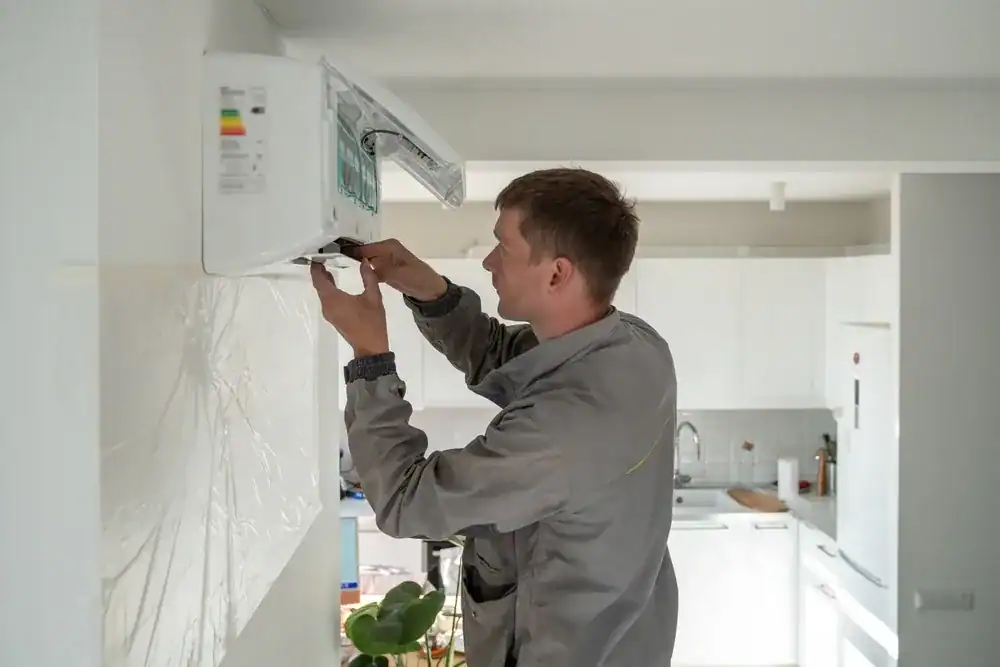
Smart thermostats do more than just schedule temperature changes—they actively optimize your HVAC system’s performance. They monitor outdoor weather conditions and adjust indoor settings accordingly. On a mild day, they might let your home drift a degree or two rather than constantly cycling your system. During extreme weather, they pre-condition your home during off-peak hours when electricity rates are lower.
Energy usage reports give you visibility into exactly where your money goes. You’ll see which days or times consume the most energy, helping you identify opportunities for additional savings. Some models even provide maintenance reminders based on actual runtime hours, helping you stay on top of filter changes and tune-ups that keep your system running efficiently.
Integration with other smart home devices multiplies the benefits. Pair your thermostat with smart window shades that automatically close during the hottest part of the day, reducing your cooling load. Connect it to occupancy sensors that adjust temperatures room by room based on actual use. Link it to your home’s humidity controls to maintain optimal moisture levels without over-conditioning.
Remote access means you’re never locked into wasteful settings. Leaving for vacation and forgot to adjust your thermostat? Handle it from your phone before you board the plane. Unexpected overtime at work? Push your “return home” schedule back by an hour so you’re not paying to cool an empty house. This flexibility prevents the energy waste that happens when life doesn’t follow your programmed schedule.
The average smart thermostat saves homeowners about $50-$180 annually. That might not sound dramatic, but combined with an efficient HVAC system, these savings compound. Plus, many utility companies offer rebates on smart thermostat installations—PSEG Long Island provides $85 back for qualifying models, reducing your investment to almost nothing while the savings continue year after year.
Not all thermostats work with all HVAC systems, so compatibility matters before you buy. Heat pumps require specific thermostat models that understand their unique operating characteristics—using a standard thermostat with a heat pump can actually increase your energy costs instead of reducing them. Multi-stage systems need thermostats capable of controlling different capacity levels. Zoned systems require coordinated controls across multiple units.
Professional installation ensures your thermostat is correctly wired and configured for your specific equipment. Improper installation can cause short cycling, inefficient operation, or even damage to your HVAC system. A qualified technician will also position your thermostat away from heat sources, direct sunlight, or drafts that could give false temperature readings and trigger unnecessary heating or cooling cycles.
Features to consider include Wi-Fi connectivity for remote access, learning capabilities that adapt to your schedule, energy reporting that shows your consumption patterns, and compatibility with utility demand-response programs that can earn you additional rebates. Some thermostats offer voice control through Alexa or Google Assistant, making adjustments effortless. Others include air quality monitoring or humidity control for comprehensive comfort management.
The investment is modest—quality programmable thermostats start around $100, while advanced smart models run $200-$300. Given the annual savings of $50-$180, most homeowners break even within 1-2 years. After that, it’s pure savings for as long as you own the device. And because thermostats typically last 10+ years, you’re looking at potentially $500-$1,800 in total energy savings from a $300 investment.
Think of your thermostat as the brain of your HVAC system. You can have the most efficient equipment available, but without smart controls telling it when and how to run, you’ll never capture the full savings potential. The combination of high-efficiency equipment and intelligent controls is what transforms a good system into an exceptional one that consistently delivers low utility bills.
Here’s something most homeowners overlook: your HVAC system’s efficiency depends heavily on your home’s building envelope. Even the most advanced heating and cooling equipment can’t overcome poor insulation or air leaks. It’s like trying to fill a bucket with holes in it—you’ll never get ahead no matter how much water you pour in.
Air sealing alone can reduce your energy use by 10-20%. Those gaps around windows, doors, electrical outlets, and where walls meet ceilings let conditioned air escape constantly. Your HVAC system works overtime replacing that lost air, driving up your utility bills while struggling to maintain comfortable temperatures. Caulking, weather-stripping, and sealing these leaks costs relatively little but delivers immediate, measurable savings.
Proper insulation creates a thermal barrier that slows heat transfer between your home’s interior and the outdoors. In summer, it keeps hot air out so your AC doesn’t have to work as hard. In winter, it traps warmth inside so your heating system runs less frequently. Attics, walls, and basements all need adequate insulation to maximize your HVAC efficiency.
Summary: