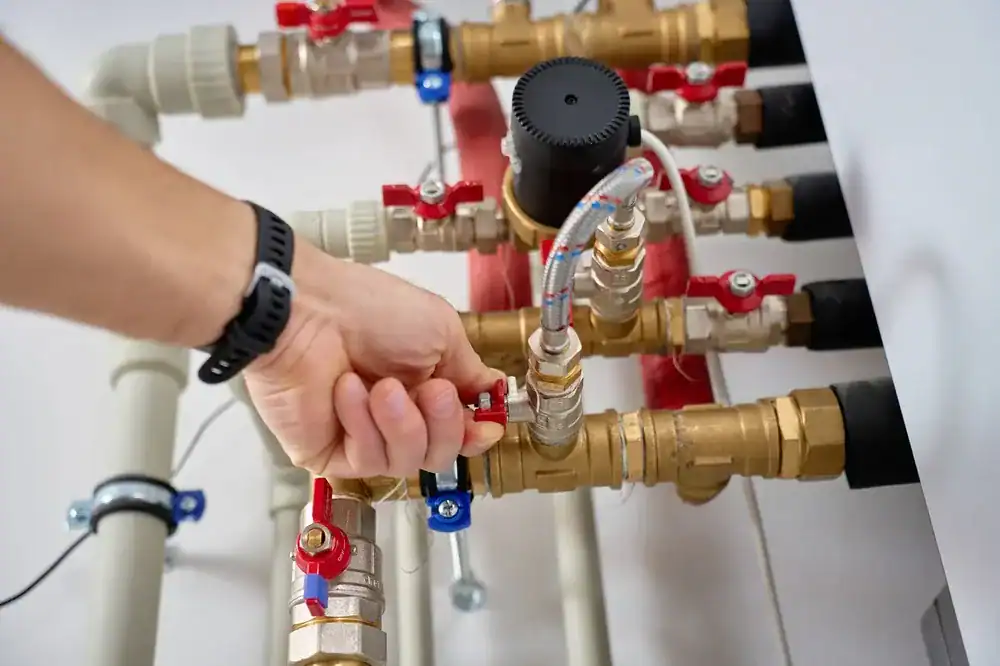
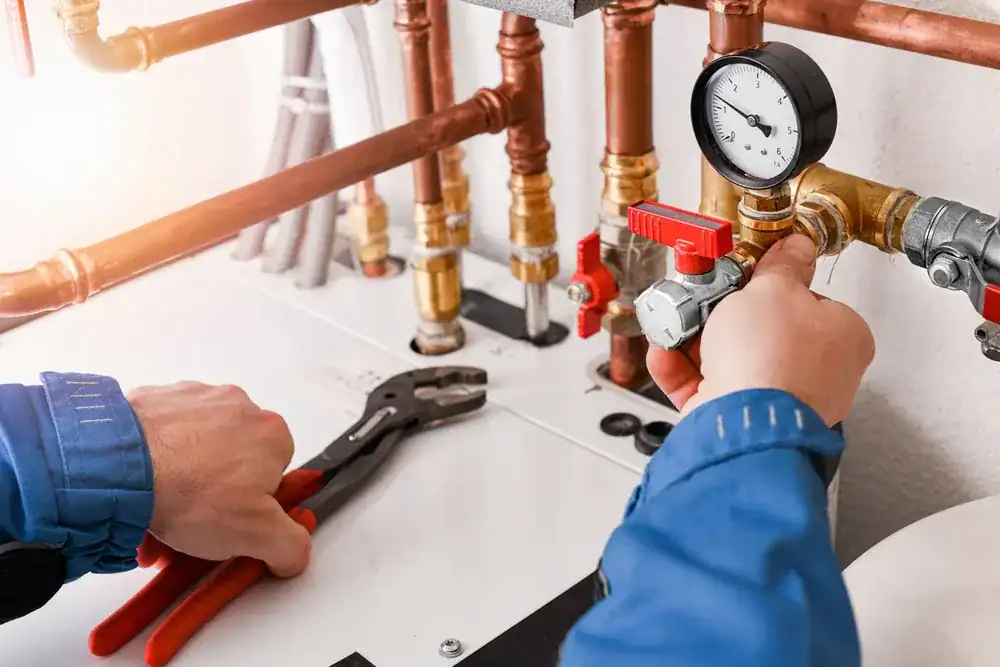
If you have lived in Long Beach through a major storm, you already know the feeling. The water recedes, the damage assessment begins, and somewhere in that process you are standing in front of a ruined furnace or a flooded AC unit wondering what comes next. The problem is not finding an HVAC contractor, since there are plenty of them serving Nassau County. The problem is finding one who understands what Long Beach requires. This guide walks you through what flood-zone HVAC installation involves, what separates a contractor who knows this market from one who does not, and what you should ask before anyone touches your system.
Why Long Beach HVAC Installations Are Different From The Rest Of Nassau County
Most of Nassau County sits on solid ground with standard residential building codes. Long Beach does not. The city is a barrier island, with the Atlantic Ocean on one side and Reynolds Channel on the other, and it sits almost entirely within FEMA’s AE flood zone. That designation is not just a line on a map. It means that for federally backed mortgages, flood insurance is mandatory, and it means that any HVAC equipment installed in your home must meet elevation requirements tied to Base Flood Elevation (BFE).
A contractor who does not know this, or who skips the elevation step to save time, is not giving you a deal. They are installing a system that will be destroyed in the next surge event and potentially creating compliance problems that affect your flood insurance and future building permits. After Hurricane Sandy, roughly three-quarters of Long Beach homes were damaged enough to qualify for federal aid. The city sustained around $150 million in damage on its own. The homeowners who came out of that experience in the best position were the ones whose utilities had been properly elevated and protected. That lesson still applies today.
What Does “Flood-Resistant HVAC” Mean For A Long Beach Home?
The term gets used loosely, but in Long Beach it has a specific, practical meaning. Flood-resistant HVAC installation means your equipment (outdoor condensing units, air handlers, and electrical connections) is positioned above the Base Flood Elevation for your property. FEMA guidelines, backed up by Nassau County building codes, require utilities to be raised at least one foot above BFE. In a city where storm surges can reach five to six feet during major events, and coastal flooding of two and a half to three and a half feet above ground level happens regularly during high tide cycles, this is not a technicality. It is the difference between a system that survives and one that gets scrapped.
Post-Sandy rebuilding changed how Long Beach homes are constructed. Many properties were elevated onto pilings or concrete blocks, which creates a different set of challenges for HVAC installation, including ductwork routing, platform equipment placement, and clear access for future service calls. A contractor who has only worked on standard slab-foundation homes in other Nassau County communities is going to approach a raised Long Beach home with the wrong playbook. The installation must account for how the building sits and where the flood risk comes from.
There is also the FEMA 50% rule to keep in mind. If the cost of repairs to your home exceeds 50% of the structure’s pre-storm market value, the entire building must be brought up to current flood codes. A major HVAC replacement combined with other structural storm repairs can push a project toward that threshold, which affects the scope and cost of the whole job. A contractor who understands Long Beach will flag this before work begins, not after.
Another detail that rarely gets mentioned: the bay side of Long Beach, particularly the Canals neighborhood, faces Reynolds Channel flooding that can behave quite differently from an oceanfront surge. The flooding mechanics are different, the timing is different, and equipment placement decisions should reflect that. If your contractor does not ask which side of the island you are on or if your home is near the bay, that is a warning sign worth paying attention to.
Salt Air Corrosion: The Slow Problem That Shortens HVAC Life On A Barrier Island
Flood risk gets most of the attention in Long Beach, but salt air is a quieter problem that shortens HVAC equipment life in ways most homeowners do not see coming. When your home sits between the Atlantic Ocean and Reynolds Channel, outdoor HVAC components (the condenser coils, electrical connections, metal housing, and refrigerant lines) face constant salt air exposure. Salt accelerates corrosion on metals that would last years longer in an inland environment.
A standard residential condensing unit installed without corrosion-resistant coatings or marine-grade specifications will degrade faster on a Long Beach rooftop or side yard than the same unit sitting in a backyard elsewhere in Nassau County. The coils corrode, the aluminum fins crumble, and electrical terminals oxidize. What should be a 15 to 20-year system starts showing serious wear in eight to ten years, and sometimes sooner depending on the unit’s direct exposure.
This is a topic a qualified HVAC contractor should raise with you before equipment is selected, not after it is already ordered. The right questions are: What factory coating does this unit have? Is it rated for coastal or marine environments? How does the manufacturer warranty hold up if corrosion becomes a factor? A contractor who does not bring this up is not necessarily cutting corners on purpose; they may simply lack the barrier island experience to know it matters. But the financial result is the same for you.
Maintenance intervals also need to be shorter in Long Beach than they would be elsewhere in Nassau County. Semi-annual coil cleaning, refrigerant checks, and a thorough inspection of electrical connections and protective metal coatings should be standard procedure for any system running in this environment. When we service HVAC systems in coastal Nassau County communities, this is a core part of what we look for. Salt air damage that gets caught early is an easy repair; salt air damage that goes unnoticed for two or three years turns into an expensive full-system replacement.
How To Choose An HVAC Contractor In Long Beach, NY After Storm Damage
After a major storm, the demand for HVAC contractors in Nassau County spikes fast. Homeowners are calling all at once, schedule availability gets tight, and the pressure to just hire someone, anyone, to get the heat or AC back on is real. That urgency is exactly when it is most important to slow down for five minutes and ask the right qualifying questions.
The contractors who succeed in Long Beach long term are not the ones who show up fastest with the lowest bid. They are the professionals who pull proper Nassau County permits, understand flood-zone elevation requirements, and provide a written quote that itemizes what is being done and why. A contractor who skips permits to save a few days creates a serious liability you will carry for years.
Questions To Ask An HVAC Contractor Before You Hire Them In Long Beach
The first question is about licensing. New York State does not issue a statewide HVAC contractor license; that is a common misconception. Licensing authority in New York is handled at the local and county level. For Nassau County, the credential that matters is the Nassau County Home Improvement Contractor License with an HVAC class designation. You can verify this independently. If a contractor cannot provide an active license number, that is a hard stop.
The second question is about flood zone compliance specifically. Ask them directly: have you installed HVAC systems in FEMA AE flood zones before? Do you know what Base Flood Elevation means for my property and how it affects equipment placement? A contractor who regularly performs this work in Long Beach will answer that question without hesitation. One who has not may give you a vague answer about following general codes, which is not the same thing.
Third, ask about the equipment specifications for a coastal environment. What corrosion protection does the unit come with? Is it rated for marine salt-air exposure? Will the warranty cover corrosion-related coil failures? These are reasonable questions, and a contractor who knows Long Beach will have straightforward answers.
Finally, ask about their written quote process. What is included in the estimate? What unexpected site conditions could change the final cost? When does work begin and how long will the job take? Getting this in writing before any work starts protects you, and any contractor worth hiring will be comfortable providing it. Transparent, upfront pricing is not an optional perk; it is a baseline expectation for any legitimate HVAC company operating in Nassau County.
Does HVAC Certification Matter When Hiring In Nassau County?
It does, and the reasons go beyond simple paperwork. NATE certification, from the North American Technician Excellence organization, is the industry’s most respected credential for HVAC technicians. It is not required by New York State, but it reflects technical training that goes well beyond the minimum standard. NATE-certified technicians are tested on real-world diagnostic knowledge, not just basic installation steps. For a Long Beach homeowner making a significant investment in flood-zone-compliant equipment, knowing the technician working on your system carries that credential brings genuine peace of mind.
Beyond NATE, look for contractors who carry Certified Dealer status with a recognized equipment manufacturer. This means the technicians have received direct factory training on the specific equipment being installed, which ensures the manufacturer’s warranty remains fully backed. An Amana Certified Dealer, for instance, has factory-trained installers and direct access to manufacturer warranty support, which is critical when you are replacing a major system.
Better Business Bureau accreditation is another signal worth checking. The BBB’s A+ rating is not self-reported; it reflects a verified history of ethical business practices and prompt dispute resolution. In a market like Long Beach, where homeowners are making big decisions under pressure after severe weather, working with a BBB-accredited contractor greatly reduces your risk.
Keep in mind that the number of Google reviews and the rating attached to them reflect real customer experiences right in your neighborhood. A contractor with over 150 five-star reviews across Nassau County has a proven track record. That is very different from an outfit with a handful of reviews and a flashy website. Both will claim great craftsmanship, but verified local reviews tell you if customers agree.
Finding The Right HVAC Contractor In Long Beach, NY Starts With Knowing What To Ask
Long Beach is a community that has already paid the price of improper installation. The experience of Hurricane Sandy did not just damage homes; it changed how residents think about storm protection. Choosing an HVAC contractor after a storm is not simply a repair decision, but a choice about if your system will hold up the next time floodwaters rise. Verify the Nassau County license, confirm flood-zone installation experience, check coastal equipment specs, and get a clear estimate in writing before any installation begins. Contact COOL BROS CORP today to schedule your system evaluation and ensure your home stays protected with fully compliant, storm-ready heating and cooling.