Your HVAC system gives warning signs before major breakdowns. Learn the 10 critical signals Nassau County, NY homeowners need to recognize.
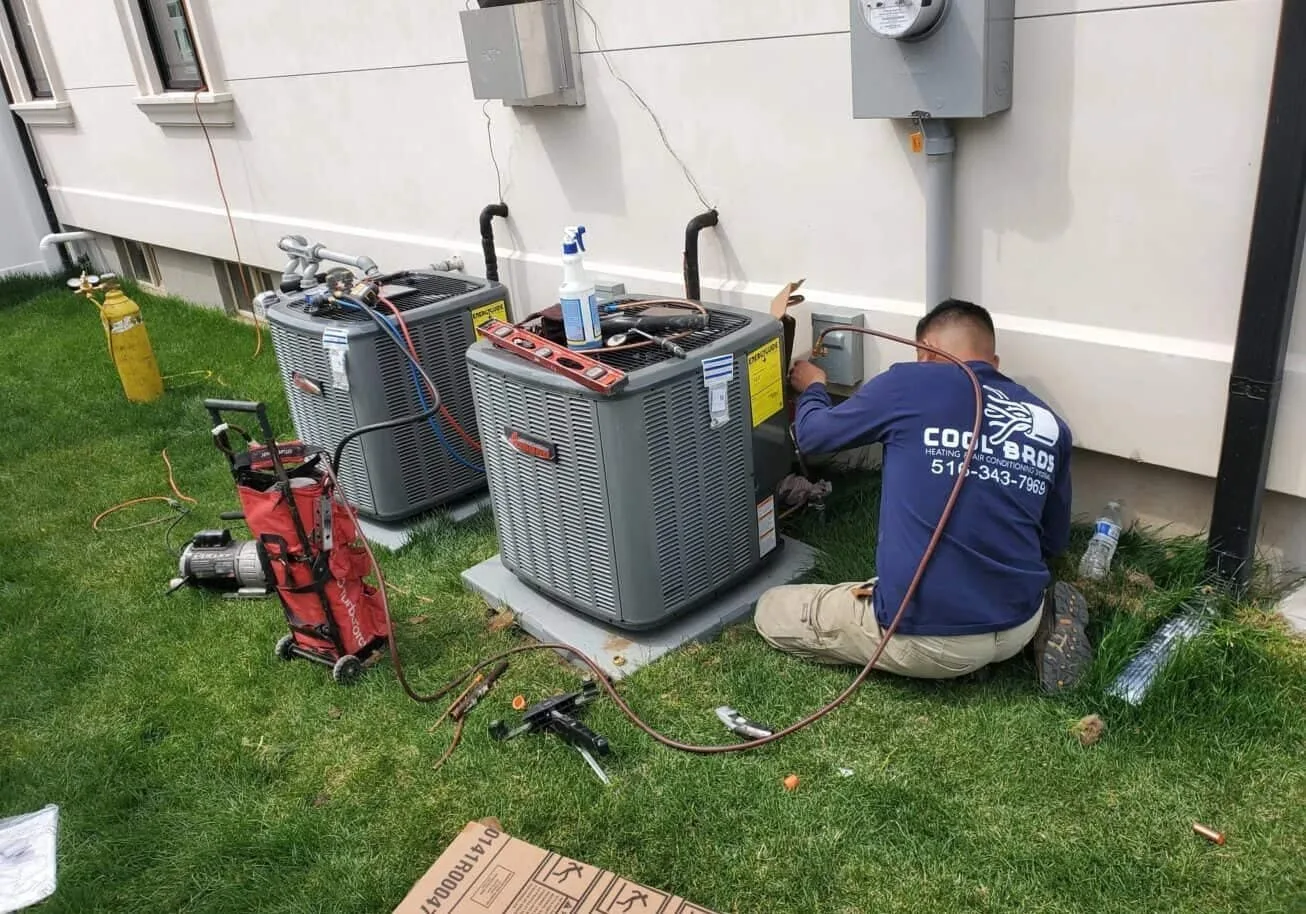
Your HVAC system should hum quietly in the background, not sound like a construction site. When you start hearing banging, rattling, squealing, or grinding noises, your system is telling you something’s wrong.
These sounds aren’t just annoying—they’re expensive problems waiting to happen. A banging noise often means loose components that could damage other parts if left alone. Squealing usually points to worn belts or motor issues that will only get worse with time.
The smart move? Don’t wait to see if the noise goes away on its own. It won’t.
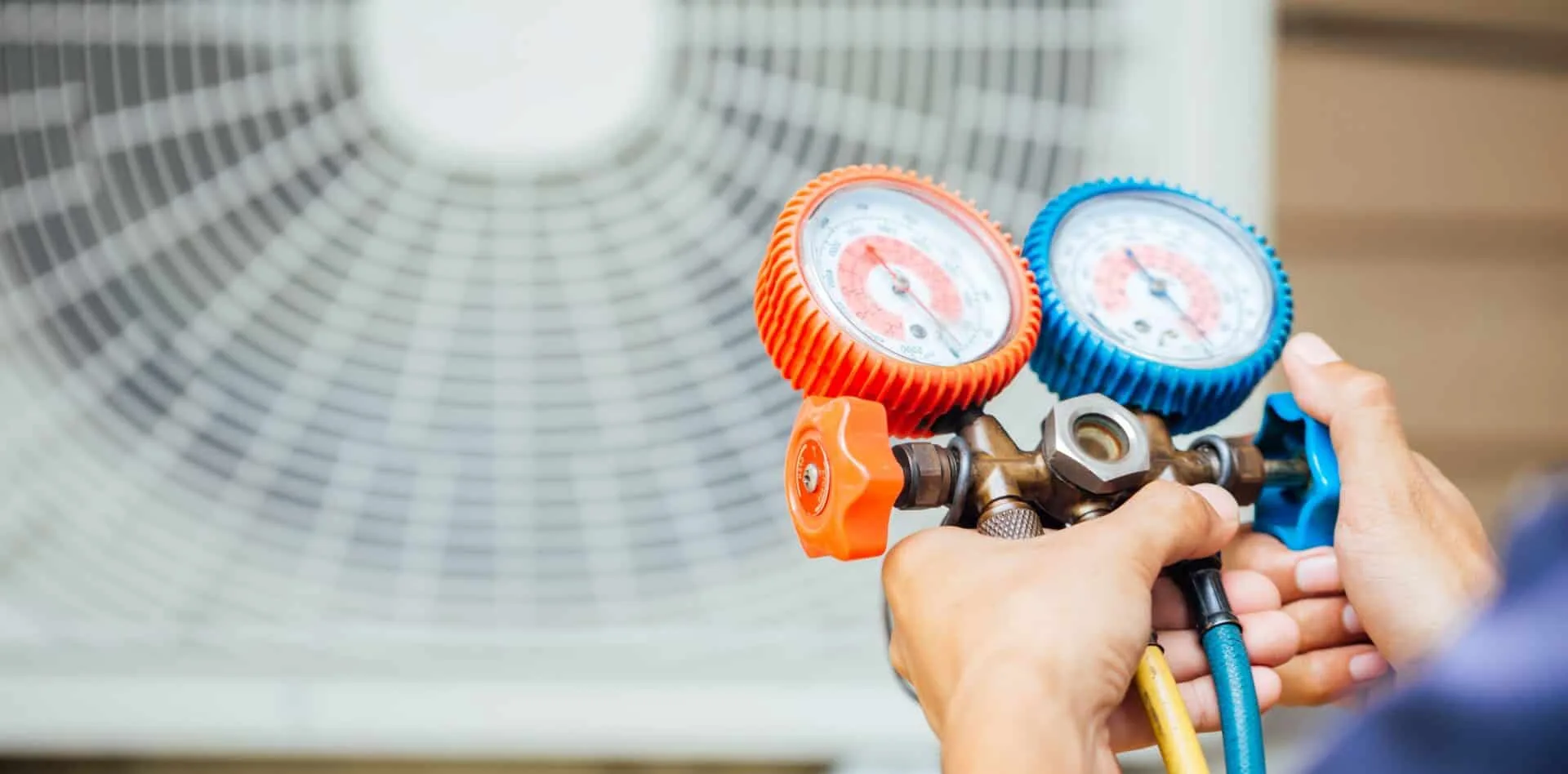
Each noise your HVAC system makes tells a specific story about what’s going wrong inside. Understanding these sounds can help you explain the problem clearly when you call for repairs —and potentially save money on diagnostic fees.
Banging or clanking noises typically indicate loose or broken parts inside your system. This could be anything from a loose fan blade to a failing motor mount. These components can cause significant damage to other parts if they break completely, turning a moderate repair into an expensive replacement.
Squealing or screeching sounds usually come from worn belts or motor bearings that need lubrication or replacement. While this might seem minor, a broken belt can shut down your entire system, leaving you without heat or air conditioning when you need it most.
Rattling noises often point to loose screws, bolts, or panels. Sometimes debris has gotten into your outdoor unit. Either way, these seemingly small issues can escalate quickly if ignored.
Grinding sounds are particularly concerning because they usually indicate metal-on-metal contact somewhere in your system. This type of wear can destroy expensive components like compressors or blower motors.
Hissing sounds might indicate refrigerant leaks, which not only reduce your system’s efficiency but can also be dangerous to your family’s health. Refrigerant leaks require immediate professional attention.
Each noise your HVAC system makes tells a specific story about what’s going wrong inside. Understanding these sounds can help you explain the problem clearly when you call for repairs—and potentially save money on diagnostic fees.
Banging or clanking noises typically indicate loose or broken parts inside your system. This could be anything from a loose fan blade to a failing motor mount. These components can cause significant damage to other parts if they break completely, turning a moderate repair into an expensive replacement.
Squealing or screeching sounds usually come from worn belts or motor bearings that need lubrication or replacement. While this might seem minor, a broken belt can shut down your entire system, leaving you without heat or air conditioning when you need it most.
Rattling noises often point to loose screws, bolts, or panels. Sometimes debris has gotten into your outdoor unit. Either way, these seemingly small issues can escalate quickly if ignored.
Grinding sounds are particularly concerning because they usually indicate metal-on-metal contact somewhere in your system. This type of wear can destroy expensive components like compressors or blower motors.
Hissing sounds might indicate refrigerant leaks, which not only reduce your system’s efficiency but can also be dangerous to your family’s health. Refrigerant leaks require immediate professional attention.
Want live answers?
Connect with a Cool Bros expert for fast, friendly support.
When some rooms feel like saunas while others feel like freezers, your HVAC system isn’t distributing air properly. This isn’t just uncomfortable—it’s a sign that your system is working harder than it should, driving up your energy bills and shortening its lifespan.
Poor airflow often starts small. Maybe one bedroom doesn’t cool down as quickly as the others. Or perhaps your living room never seems to reach the temperature you set on the thermostat. These seemingly minor issues usually indicate bigger problems with your ductwork, blower motor, or system sizing.
Nassau County, NY homes face unique challenges with humidity and temperature control, making proper airflow even more critical for comfort and efficiency.
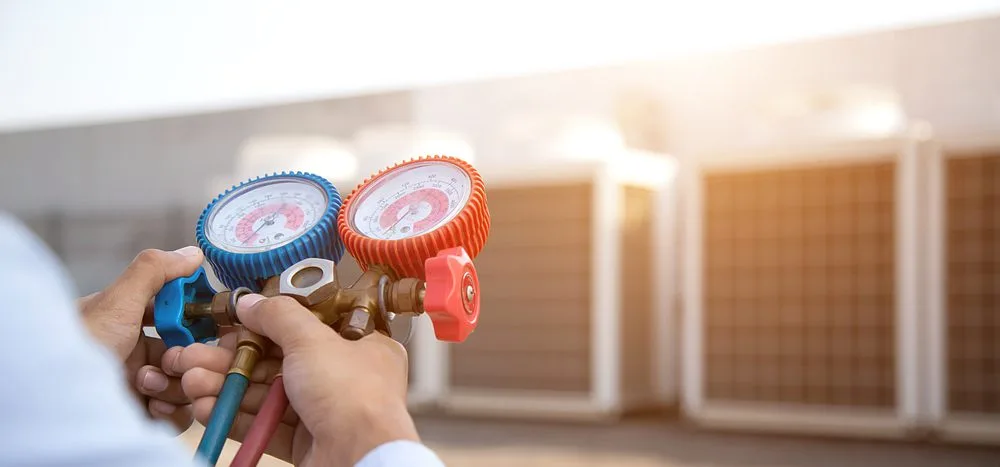
Uneven temperatures throughout your Nassau County, NY home usually stem from a few common culprits, each requiring different solutions. Understanding these causes helps you communicate effectively with HVAC professionals and avoid unnecessary repairs.
Blocked or damaged ductwork is often the primary villain. Over time, ducts can develop leaks, become disconnected, or get blocked by debris, furniture, or even small animals. When conditioned air can’t reach certain areas of your home, those rooms will always feel uncomfortable. Leaky ducts are particularly problematic because they waste energy by cooling or heating spaces like your attic or basement instead of your living areas.
Dirty air filters create another common problem. When filters become clogged with dust, pet hair, and debris, they restrict airflow throughout your entire system. This forces your HVAC equipment to work harder while delivering less comfort. In Nassau County, NY’s humid climate, dirty filters can also lead to moisture problems and reduced indoor air quality.
Failing blower motors or fan issues can dramatically reduce airflow to your home. If your blower motor is struggling, you might notice weak airflow from your vents, even when your system is running. This problem typically gets worse over time and can eventually cause your system to overheat and shut down completely.
Improperly sized HVAC systems create persistent comfort problems that can’t be fixed with simple repairs. If your system is too small for your home, it will struggle to maintain comfortable temperatures during extreme weather. Conversely, an oversized system will cycle on and off frequently, creating temperature swings and failing to control humidity properly.
Thermostat problems can also create the illusion of uneven temperatures. If your thermostat is located in a spot that doesn’t represent your home’s average temperature—like near a window, door, or heat source—it may not control your system effectively.
Poor airflow doesn’t just make your home uncomfortable—it makes your HVAC system work significantly harder, driving up your energy costs every month. Understanding this connection helps you recognize when airflow problems are costing you money.
When your system can’t distribute air properly, it runs longer cycles trying to reach your desired temperature. This extended runtime increases your electricity or gas usage substantially. For example, if blocked ducts prevent cool air from reaching your bedroom, your air conditioner will keep running until that room finally reaches the set temperature, using far more energy than necessary.
Restricted airflow also forces your HVAC equipment to work against increased pressure, similar to how your car engine works harder when climbing a hill. This additional strain increases energy consumption and accelerates wear on expensive components like compressors and blower motors. Nassau County, NY homeowners often see their energy bills spike by 15-30% when airflow problems develop.
The humidity factor adds another layer of expense. Poor airflow often leads to inadequate humidity control, making your home feel less comfortable at the same temperature. You might find yourself setting your thermostat lower in summer or higher in winter to achieve the same comfort level, further increasing your energy costs.
Dirty filters compound these problems by making your system work even harder to push air through the restriction. A severely clogged filter can increase your system’s energy consumption by 15% or more while reducing its effectiveness. Regular filter changes are one of the simplest ways to maintain proper airflow and control energy costs.
We can measure your system’s airflow and identify restrictions that are costing you money. Addressing these issues often pays for itself through reduced energy bills within the first year.
Your HVAC system’s warning signs are opportunities to save money and avoid emergency situations. Strange noises, uneven temperatures, climbing energy bills, and poor airflow all signal problems that get more expensive the longer you wait.
Nassau County, NY’s demanding climate puts extra stress on heating and cooling equipment, making early intervention even more important. The difference between a routine repair and an emergency replacement often comes down to recognizing these signs and taking action promptly.
We understand the urgency of HVAC problems and provide fast, reliable repair services with upfront pricing. Don’t let small issues become big headaches—address them while they’re still manageable and affordable.
Summary: