You’re standing in your kitchen on a February morning, and the floor feels cold even though the heat’s been running for hours. The radiator across the room is hot to the touch, but somehow the warmth never quite reaches where you’re standing. Sound familiar?
A lot of Nassau County homeowners deal with this. Your central heating works, but it doesn’t work evenly. And when you start looking at options, you keep seeing underfloor heating mentioned as an alternative. But is it actually better, or just different? What does it cost? And does it even make sense for a home that wasn’t built with it?
Let’s compare the two systems side by side so you can figure out which one fits your home, your budget, and the way you actually live.
How Underfloor Heating Works vs Central Heating Systems
Central heating systems pump heated water through radiators or push warm air through ducts. The heat source—usually a boiler or furnace—sits in your basement or utility room, and the warmth gets distributed from there. Radiators heat the air around them, which rises to the ceiling and eventually circulates back down. Forced air systems blow heated air through vents, creating similar circulation patterns.
Underfloor heating takes a different approach. Instead of heating air, it warms the floor itself, which then radiates heat upward. There are two main types: hydronic systems that circulate warm water through tubing installed beneath your floor, and electric systems that use heating cables or mats. Both turn your entire floor into a low-temperature heat source that warms objects and people directly, not just the air.
The difference matters because of how heat behaves. Warm air rises, so radiators and forced air systems heat your ceiling before they heat your feet. Under floor heating reverses that pattern, keeping warmth where you actually feel it.
Electric Underfloor Heating Systems and How They Compare
Electric underfloor heating uses cables or thin mats installed just below your floor surface. You connect them to your home’s electrical system, and they heat up when you turn them on through a thermostat. Installation is straightforward—the mats roll out, get embedded in thin-set mortar or leveling compound, and then you lay your finished floor on top.
These systems work well for individual rooms, especially bathrooms, kitchens, or small additions where you want supplemental heat. They heat up quickly, usually within 30 to 60 minutes, and you control each room independently. Because they’re thin—often just a few millimeters—they don’t raise your floor height significantly, which matters in older homes where ceiling heights are already set.
The tradeoff is operating cost. Electricity costs more per unit than natural gas in most areas, so running electric underfloor heating as your primary heat source across a whole house gets expensive. That’s why most people use electric systems in specific rooms where the comfort benefit justifies the cost, or where extending central heating would be impractical.
Central heating, by contrast, usually runs on natural gas or oil, which costs less to operate. But it requires ductwork or radiators throughout the house, and it heats the entire system at once unless you’ve added zone controls. If you’re only using one or two rooms at a time, you’re still heating spaces you’re not in.
For Nassau County homes, electric underfloor heating makes sense in bathrooms, mudrooms, or kitchen renovations where you’re already replacing the floor. It’s a targeted upgrade that adds comfort without overhauling your entire heating system. For whole-home heating, hydronic systems or modern high-efficiency central heating usually deliver better long-term value.
Hydronic Underfloor Heating and Traditional Boiler Systems
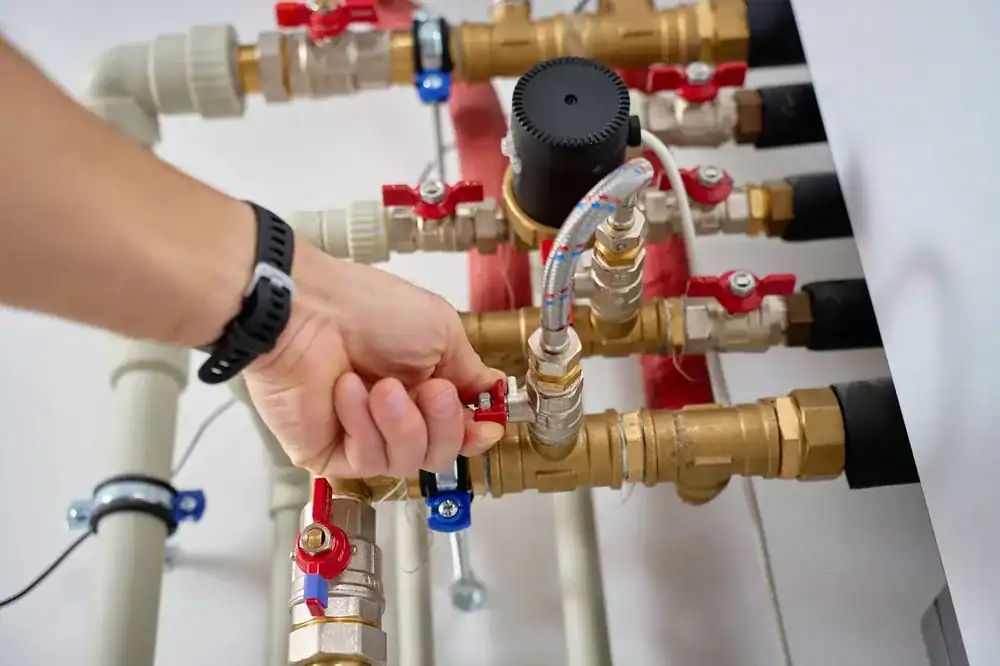
If your Nassau County home already has a boiler and radiators, you’re working with hydronic heating—water heated by a boiler and circulated through pipes. Hydronic underfloor heating uses the same principle, but instead of sending 65-75°C water to radiators, it sends 35-45°C water through tubing beneath your floor.
That lower temperature is key. Your boiler doesn’t have to work as hard, which means it uses less fuel. Modern condensing boilers extract even more efficiency when they operate at these lower temperatures, sometimes reaching 95-98% efficiency compared to older boilers that might only hit 60-70%.
Many older Nassau County homes can retrofit hydronic underfloor heating without replacing the entire heating system. You keep your existing boiler (or upgrade to a more efficient one), add manifold controls to manage the lower temperatures, and install the floor tubing in areas where you’re renovating or adding space. The system integrates with what you already have rather than replacing it entirely.
Traditional radiator systems still work, and modern high-efficiency boilers have made them better than they used to be. But radiators take up wall space, create hot and cold spots, and need higher water temperatures to deliver the same comfort. If you’re standing next to a radiator, you’re warm. If you’re across the room, not so much.
Hydronic underfloor heating distributes warmth evenly across the entire floor surface. There’s no cold corner by the window or hot spot by the radiator. The floor itself becomes the heat source, and because it covers such a large area, it doesn’t need high temperatures to keep you comfortable. You can actually set your thermostat a few degrees lower and still feel warmer because the heat is coming from below rather than trying to work its way down from the ceiling.
For whole-home heating in Nassau County, hydronic systems paired with modern boilers or heat pumps deliver the best combination of comfort, efficiency, and long-term operating costs. Installation costs more upfront, especially in retrofit situations, but the monthly savings and comfort improvement usually justify the investment over the system’s 25-50 year lifespan.
Central Heating vs Underfloor Heating Cost and Energy Efficiency
Cost breaks down into two parts: what you pay to install the system, and what you pay to run it every month. Central heating typically costs less to install, especially if you’re just replacing an existing furnace or boiler. You’re working with infrastructure that’s already in place—ductwork, radiators, gas lines—so you’re swapping out the heat source rather than rebuilding the distribution system.
Underfloor heating installation costs more because you’re adding new infrastructure. Electric systems run $6-12 per square foot installed. Hydronic systems cost $7-17 per square foot depending on whether you’re installing in new construction or retrofitting into an existing home. For a whole house, you’re looking at $10,000-$34,000 depending on size, system type, and complexity.
But monthly operating costs tell a different story. Underfloor heating systems use 15-40% less energy than traditional radiators because they operate at lower temperatures and distribute heat more evenly. You feel comfortable at lower thermostat settings, which translates directly to lower fuel bills. For a typical Nassau County home spending $1,500 annually on heating, that could mean $225-600 in yearly savings.
What Underfloor Heating Actually Costs to Install and Operate
Installation costs vary based on system type, room size, and whether you’re building new or retrofitting. A 100 square foot bathroom with electric underfloor heating might cost $600-1,200 for materials and installation. That same bathroom with a hydronic system could run $700-1,700, but it would tie into your existing boiler or a new high-efficiency system that serves your whole house.
For whole-home installations, hydronic systems make more financial sense despite higher upfront costs. A 2,000 square foot home might cost $14,000-34,000 to outfit with hydronic underfloor heating, but you’re installing a system that’ll last 25-50 years with minimal maintenance. Compare that to replacing a furnace every 15-20 years, plus ongoing ductwork maintenance and higher monthly operating costs.
Operating costs depend on your energy source and how you use the system. Electric underfloor heating in a 60 square foot bathroom running 4 hours daily costs roughly $14-20 per month at typical electricity rates. That’s manageable for a single room. Scale that to a whole house, and the costs add up quickly, which is why electric systems work best as supplemental heat in specific areas.
Hydronic systems running on natural gas or a heat pump cost significantly less to operate. Because they work at lower temperatures (35-45°C vs 65-75°C for radiators), your boiler or heat pump doesn’t work as hard. Studies show hydronic underfloor heating can reduce energy consumption by 25% compared to radiators, and up to 40% when paired with a modern heat pump.
Nassau County homeowners also benefit from potential rebates. PSEG Long Island and NYSERDA frequently offer incentives for high-efficiency heating systems, and federal tax credits may apply to qualifying equipment. These programs can offset $500-2,000 or more of your installation costs, improving the payback period.
The real question isn’t just what it costs—it’s what you get for that cost. Underfloor heating delivers even warmth, eliminates cold spots, frees up wall space, improves air quality, and operates silently. If those benefits matter to you, and you’re planning to stay in your home long enough to recoup the installation investment through energy savings, the numbers usually work in your favor.
How Central Heating Costs Compare for Nassau County Homes
Central heating systems in Nassau County typically run on natural gas, oil, or propane. A new high-efficiency boiler costs $5,000-12,000 installed, depending on size and efficiency rating. Furnaces for forced air systems run similar prices. If your home already has radiators or ductwork, you’re replacing the heat source, not the entire distribution system, which keeps costs manageable.
Operating costs depend heavily on your system’s efficiency. Older boilers (20-30 years old) might only achieve 60-70% efficiency, meaning 30-40% of the fuel you’re paying for goes up the chimney as waste heat. Modern condensing boilers reach 90-98% efficiency, extracting more heat from every dollar of fuel. For a Nassau County home spending $1,500 annually on heating, upgrading from a 70% efficient boiler to a 95% efficient model could save $400-500 per year.
Radiator systems need higher water temperatures to deliver comfort, usually 65-75°C. That’s significantly hotter than the 35-45°C required for underfloor heating, which means your boiler works harder and uses more fuel. Radiators also create uneven heating—hot near the radiator, cold across the room—so you tend to set the thermostat higher to compensate for the cold spots.
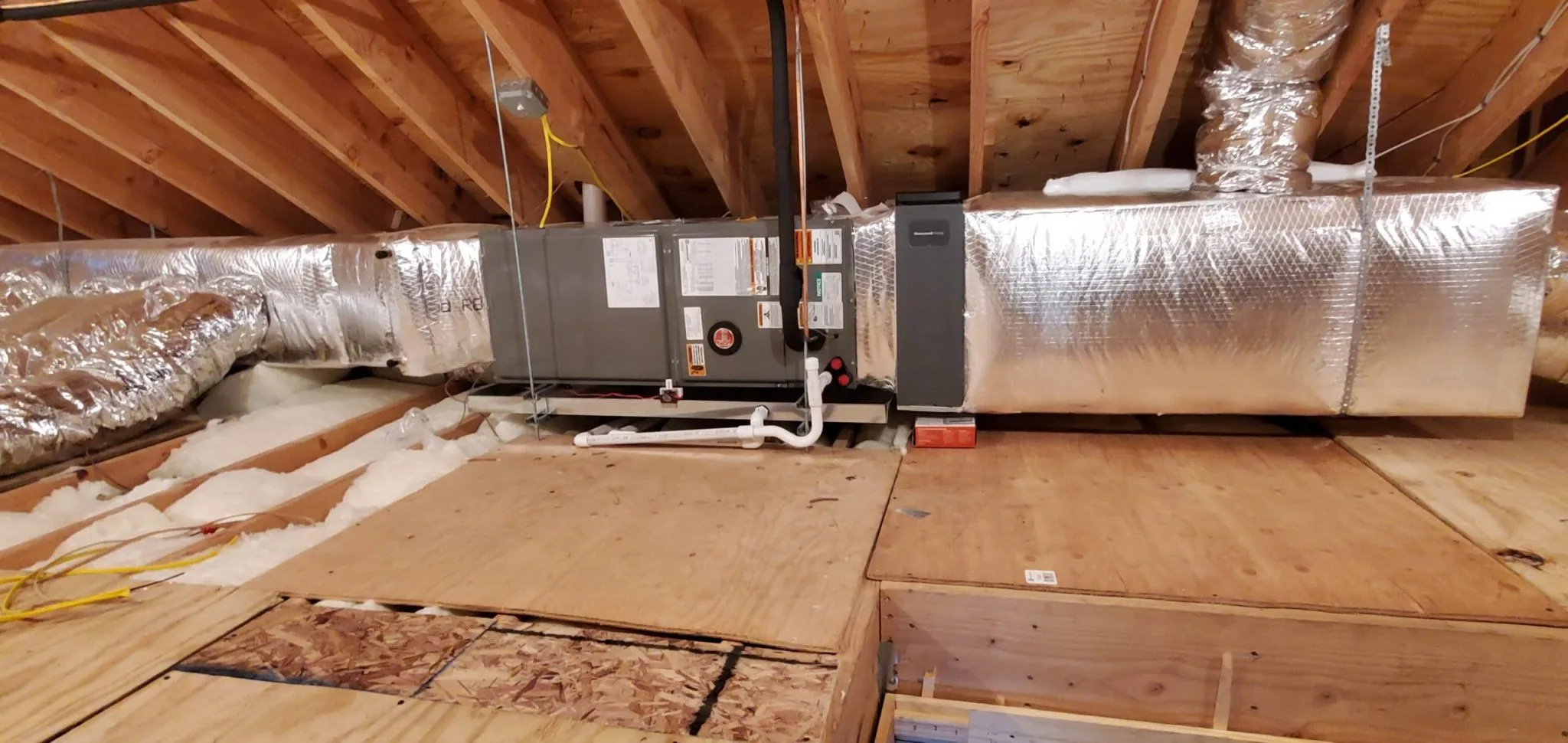
Forced air systems face different challenges. Ductwork can leak 20-30% of heated air before it reaches the rooms you’re trying to warm, especially in older homes where ducts run through unheated basements or attics. Even well-sealed ducts create temperature stratification, with warm air collecting at the ceiling while floors stay cool. You end up running the system longer to achieve comfortable temperatures at floor level.
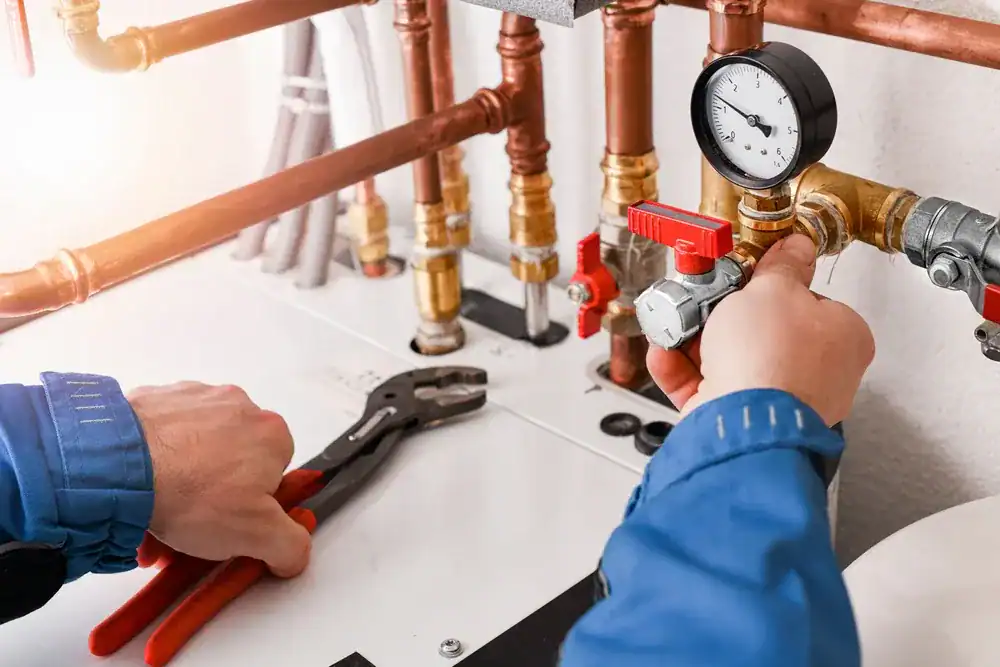
Maintenance costs matter too. Central heating systems need annual servicing—$150-350 for a boiler tune-up, similar for furnace maintenance. Ductwork may need cleaning every few years ($300-500). Radiators can develop leaks, especially in older systems, and repairs run $200-800 depending on the problem. Over a 20-year period, maintenance adds up.
Underfloor heating requires virtually no maintenance once installed. There are no moving parts in the floor itself. Hydronic systems need the same boiler maintenance you’d do anyway, but the floor tubing is designed to last 50+ years without intervention. Electric systems are even simpler—no maintenance at all unless you damage the floor during a renovation.
For Nassau County homeowners deciding between systems, central heating makes sense if you’re simply replacing an aging boiler or furnace and your current radiators or ductwork still work well. The lower installation cost and familiar technology make it a straightforward upgrade. But if you’re renovating, adding space, or dealing with persistent comfort issues, underfloor heating’s higher upfront cost often pays back through lower monthly bills, better comfort, and decades of maintenance-free operation.
Which Heating System Works Best for Your Nassau County Home
The right system depends on your home’s age, your renovation plans, and what you value most. Central heating makes sense if you’re working with a tight budget, need a quick replacement, or your existing radiators and ductwork still function well. Modern high-efficiency boilers and furnaces deliver solid performance at lower installation costs.
Underfloor heating wins on comfort, efficiency, and long-term value. It costs more upfront, but it eliminates cold spots, operates silently, frees up wall space, and saves 15-40% on monthly heating costs. For older Nassau County homes undergoing renovations, it’s often the perfect time to upgrade. You’re already opening up floors and walls, which makes installation less disruptive and more cost-effective.
If you’re trying to figure out which system fits your home, your budget, and your comfort priorities, talking to someone who understands both systems and how they work in Nassau County’s older housing stock helps. We work with homeowners throughout Nassau County to evaluate existing systems, recommend upgrades, and install heating solutions that actually match how you use your home. Reach out and we’ll walk you through what makes sense for your specific situation.