You’re planning an HVAC upgrade. Your furnace finally gave out, or you’re installing central air before summer hits. Your contractor mentions permits, and suddenly you’re wondering if it’s really necessary or just extra paperwork.
Here’s what Nassau County building departments won’t always spell out: skipping HVAC permits isn’t just a technicality. It’s a decision that can torpedo your home sale, void insurance coverage, and cost double in retroactive fees. And it almost always comes out—during inspections, insurance claims, or when you try to sell.
This isn’t scare tactics. These are facts that help you avoid expensive surprises later.
When You Actually Need HVAC Permits in Nassau County
Nassau County doesn’t mess around with HVAC permits. If you’re doing more than changing a filter, you probably need one.
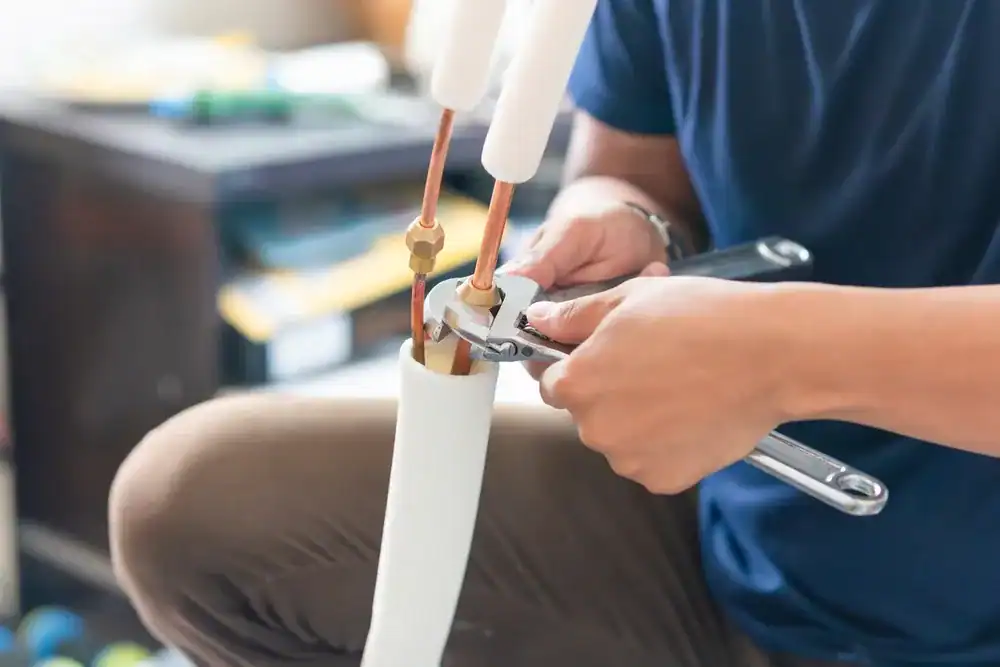
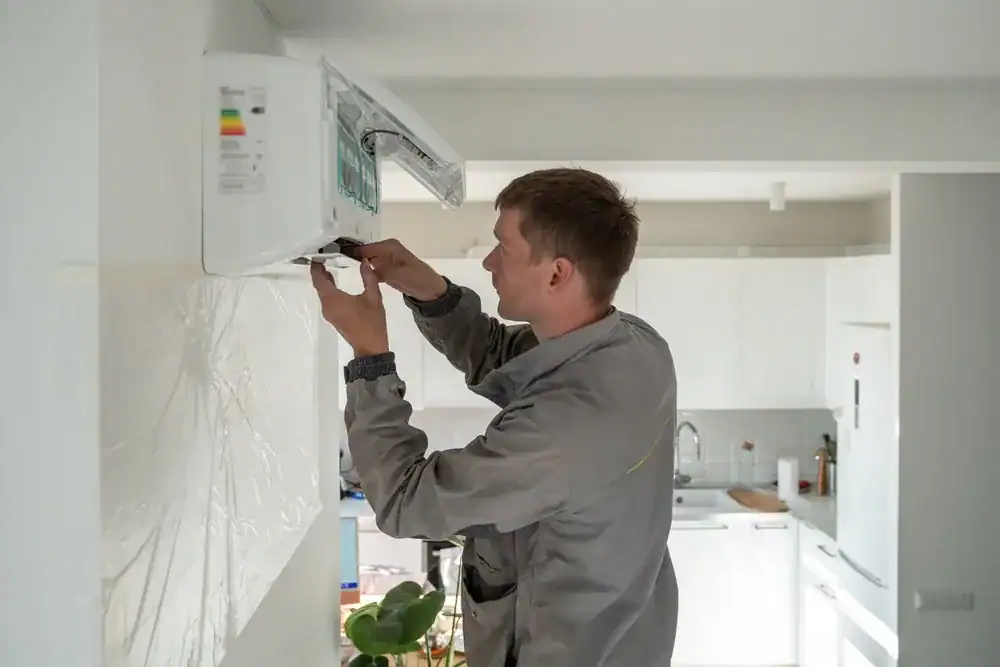
Installing new heating or cooling systems requires permits. Replacing your furnace or central AC requires permits. Adding ductwork requires permits. Installing mini-splits requires permits.
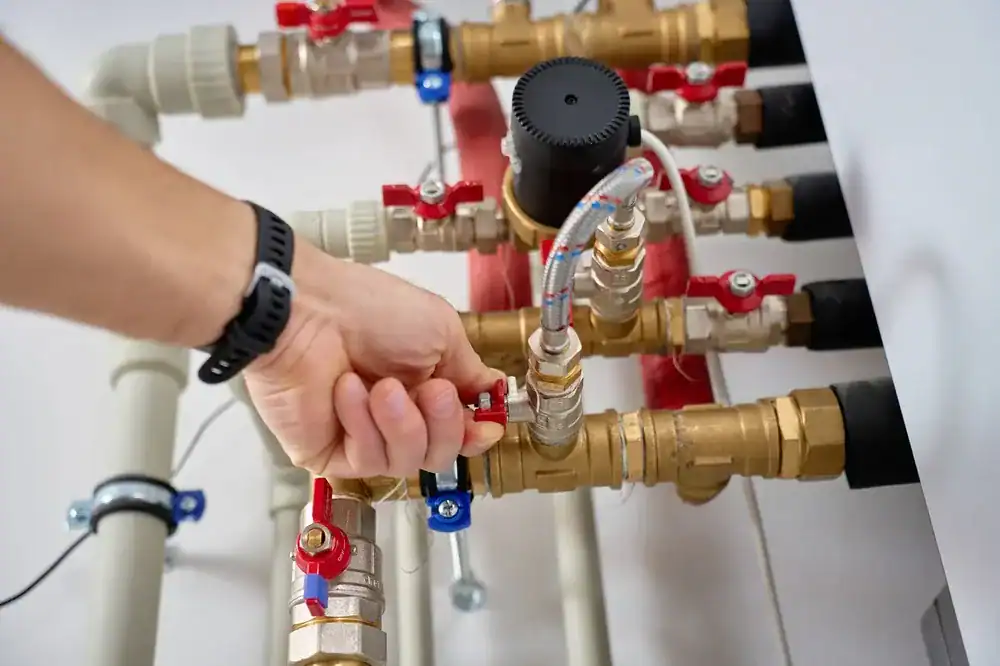
The rule is straightforward: if your HVAC work involves electrical connections, gas lines, or mechanical system changes, Nassau County wants documentation. They’re making sure your system won’t create fire hazards or leak carbon monoxide into your home.
Building Permits HVAC: Nassau County’s Two-Permit System
Here’s where Nassau County catches people off guard. You don’t need one permit for HVAC work. You need two.
Every HVAC installation requires both a mechanical permit and an electrical permit. The mechanical permit covers ductwork, equipment, and energy code compliance. The electrical permit covers wiring and circuit safety.
Your contractor must include their Nassau County license number in both applications. No license number means automatic rejection. That’s how the county keeps unlicensed contractors from doing work they’re not qualified to handle.
The application runs through Nassau County’s online e-Permitting Portal. You need digital blueprints in PDF format. You need a detailed site plan showing property lines and equipment location. You need proof of contractor licensing and insurance.
The building department reviews everything against New York zoning ordinances and the NYS Uniform Fire Prevention and Building Code. Processing takes four to eight weeks for standard residential projects.
Why so long? Nassau County has over 1.3 million residents. The building department handles thousands of applications. Plan ahead—don’t wait until your furnace dies in January to think about permits.
If you live in an HOA, you need written approval before applying for county permits. Historic district homes face another hurdle—the architectural committee can veto your HVAC installation if outdoor units are visible from the street.
What HVAC Work Doesn’t Require Permits
Not everything needs a permit. Knowing the difference saves time and confusion.
Routine maintenance doesn’t need permits. Changing filters, replacing thermostats, cleaning coils, checking refrigerant—all standard upkeep. If you’re not modifying the system, you’re usually fine.
Component repairs typically don’t need permits either. Replacing a capacitor, swapping a failed contactor, fixing a fan motor—these are like-for-like part replacements. You’re fixing what broke, not changing the system.
The line blurs when repairs involve new electrical circuits, moving equipment, or significant modifications. You’ve crossed from repair into alteration. Nassau County wants a permit.
When in doubt, ask. A five-minute call to the Town of Hempstead Building Department saves you from violation notices later. Better yet, work with a licensed contractor who knows exactly what requires permits. We deal with these regulations daily—you don’t have to become an expert.
The Real Cost of Skipping HVAC Permits
Some contractors suggest skipping permits to “save money” or “speed things up.” Don’t fall for it.
Unpermitted HVAC work creates problems that cost far more than permits ever would. Your home insurance can deny claims related to unpermitted installations. Basement floods from unpermitted HVAC? Insurance investigates, finds no permit, denies your claim. You’re facing $10,000 to $30,000 out-of-pocket with zero coverage.
Home sales get messy. Buyers hire inspectors who check permit records. They discover unpermitted HVAC work and either walk away or demand $5,000 to $15,000 off your price. Closing delays four to eight weeks while you scramble for retroactive permits. Some deals just collapse.
Nassau County issues stop-work orders when they discover unpermitted projects. Your work halts immediately. You can’t use your new system until you get permits, pass inspections, and pay fines.
HVAC Inspection Requirements: What Inspectors Check
Permits require inspections. That’s actually protection, not hassle.
The rough-in inspection is critical. This happens after installation but before walls close up. Inspectors verify structural framing meets code. Electrical wiring is properly sized and installed. Plumbing connections are secure. HVAC ductwork is adequate.
Never let contractors cover walls before rough-in inspection passes. Once drywall goes up, inspectors can’t see the work. Problems hiding behind walls won’t surface until something fails—years later when fixes cost exponentially more.
Final inspection happens after everything’s complete. Inspectors verify work matches approved plans. All previous issues were corrected. The system operates safely. Code requirements were met.
These inspections protect you. They ensure contractors didn’t cut corners. Your system won’t leak carbon monoxide. Electrical connections won’t start fires. Equipment will actually last 15 to 20 years like it should.
An inspector catching a cracked heat exchanger during rough-in could save your life. That’s not dramatic—that’s what inspections do.
Nassau County Building Codes: Why They Exist for HVAC
Nassau County enforces the NYS Uniform Fire Prevention and Building Code plus local amendments. These aren’t arbitrary—they’re based on decades of data about what works in this climate.
New York winters are brutal. Exterior equipment footings must go below the frost line to prevent shifting. Your outdoor condenser needs support that won’t heave when ground freezes and thaws. Building codes specify exact depths.
Energy codes matter too. New HVAC systems must meet current efficiency standards. That means proper duct insulation, correctly sized equipment based on load calculations, and systems that don’t waste energy. Inspectors verify this during permitting.
Safety codes address fire hazards, gas connections, electrical loads, and ventilation. Furnaces need clearances from combustible materials. Gas lines need specific connections and shut-off valves. Electrical circuits must handle loads without overheating. Ventilation must prevent carbon monoxide buildup.
These codes exist because people died when these requirements didn’t. Following Nassau County building codes isn’t bureaucracy—it’s applying hard-learned lessons to keep families safe.
Contractors who know these codes install systems right the first time. You’re not gambling with safety or property value. You’re getting HVAC that works efficiently, lasts decades, and won’t create problems when you need it most.
Getting Nassau County HVAC Permits Done Right
HVAC permits in Nassau County aren’t optional paperwork you skip to save a few hundred dollars. They’re protection against insurance denials, home sale disasters, safety hazards, and violations that cost thousands to fix.
The permit process takes four to eight weeks. It requires mechanical and electrical permits. It involves inspections ensuring your system is safe and code-compliant. Yes, it adds time. Yes, it costs money upfront. But it’s nothing compared to unpermitted work discovered during home sales or insurance claims.
The smart move is working with licensed Nassau County contractors who handle permits as standard practice. We know local building departments, understand specific requirements, and include permit fees in estimates—no surprises, no shortcuts, no problems.
At Cool Bros Corp, we’ve navigated Nassau County’s permit requirements for over eight years. We handle applications, manage inspections, and ensure installations meet county codes and manufacturer specs. Your HVAC system gets installed right, documented properly, and ready to perform for 15 to 20 years without legal complications.