Nassau County has a way of testing your HVAC system at the worst possible times. Summers here get genuinely hot and humid — the kind where a broken AC stops being an inconvenience and starts feeling like a health concern. Winters can drop below 16°F, and when your furnace decides that’s the night to stop working, you need someone who actually picks up the phone.
This page is for Nassau County homeowners and business owners who want to understand what good HVAC service looks like — and what to expect when you call a team that actually knows Long Island. We’ll cover how the process works, what questions are worth asking, and why the details matter more than most contractors let on.
Local HVAC Repair in Nassau County: What “Local” Actually Means
There’s a difference between a company that services Nassau County and one that’s actually based here. We’re headquartered in Lynbrook — not a regional dispatch center somewhere off Long Island. When you call Cool Bros Corp, you’re reaching a team that drives Nassau County roads every day and understands what the homes here actually look like.
That matters more than it sounds. A large portion of Nassau County’s housing stock dates back to the 1950s through the 1970s — Levittown-era construction that often means older ductwork, aging boilers, and systems that were never designed to handle modern efficiency standards. Knowing that before we walk through your door changes how we approach the job.
Why Nassau County Homes Have Unique HVAC Demands
Long Island’s coastal location creates a climate combination that’s genuinely hard on HVAC equipment. Salt air from the Atlantic Ocean and Long Island Sound accelerates corrosion on outdoor condenser coils, cabinet metal, and electrical connections — especially for homes in communities like Long Beach, Oceanside, and Freeport that sit close to the water. A system that might last 20 years in a landlocked suburb can show wear much faster here if it isn’t maintained properly.
Then there’s the humidity. Nassau County summers aren’t just hot — they’re sticky. Heat index values regularly push past 95°F, which means your air conditioner is working harder and longer than it would in a drier climate. An undersized or improperly installed system will struggle to keep up, run constantly, and wear out years ahead of schedule.
This is exactly why proper system sizing isn’t optional — it’s foundational. About half of all homeowners end up with an improperly installed HVAC system, and the most common cause isn’t equipment failure. It’s sizing, measurement, and design mistakes made before the first bolt was ever turned. We perform a Manual J load calculation on every new installation — a detailed assessment of your home’s square footage, insulation, window placement, ceiling height, and other factors — before recommending a system. It’s the industry standard, it’s required by New York State energy code, and it’s the reason our installations actually perform the way they’re supposed to.
On top of that, electricity on Long Island is expensive. PSEG Long Island’s residential rates are among the highest in the continental United States — often two to three times the national average. That makes SEER ratings a real financial conversation, not just a marketing talking point. When we recommend an American Standard system with up to 22.0 SEER2 efficiency, we’re talking about a system that’s nearly 65% more efficient than the current federal minimum. Over time, that difference shows up in your monthly bill.
What to Look for When Choosing a Local HVAC Contractor in Nassau County
The HVAC industry has its share of contractors who show up, do the work, and disappear. Nassau County homeowners — many of whom are comparing multiple quotes and doing real research before they call — deserve better than that.
Licensing is non-negotiable. In New York, pulling a permit for HVAC installation requires a valid state HVAC license. If a contractor skips the permit, that’s not a shortcut — it’s a liability that lands on you when you go to sell the house or file an insurance claim. Every technician on our team is licensed, EPA certified, background checked, and factory trained. That’s not a marketing line; it’s a verifiable standard we hold ourselves to on every job.
Reviews matter, but volume matters too. A contractor with three five-star reviews could have gotten lucky. Cool Bros Corp carries a 5.0-star rating across 142+ verified reviews — and those reviews consistently mention the same things: we show up when we say we will, we explain what we’re doing, and we don’t leave until the job is finished. One customer noted our crew arrived at 8am and stayed until 8pm to make sure the system was fully operational before they left. That’s not a fluke — it’s how we work.
Manufacturer authorizations are worth checking. We’re a Mitsubishi Electric authorized installer and an American Standard dealer. Those designations require factory training, certification, and adherence to quality standards. They also mean that when we install a system, the manufacturer warranty is fully intact — not voided by an uncertified installation. Our American Standard systems come with a 10-Year Limited Warranty, which is meaningful protection for a significant investment.
Finally, ask about emergency availability — and ask specifically. A lot of companies say “24/7.” What that often means in practice is a voicemail and a callback promise. Our emergency service is real: nights, weekends, and holidays, one call and a technician is on the way. That’s the promise, and it’s the one that matters most when your furnace quits on a February night in Merrick or your AC goes out during a heat wave in Hicksville.
Residential AC Repair in Nassau County: How the Process Actually Works
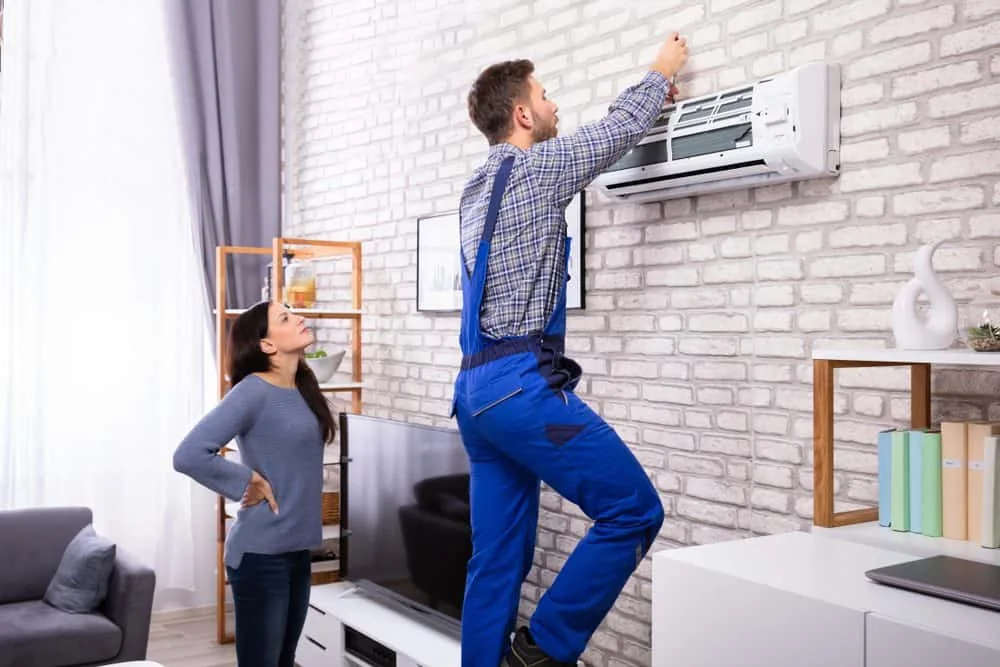
Most people don’t think about their air conditioner until it stops working. That’s completely understandable — but it does mean that when the problem surfaces, it usually surfaces at the worst possible time. Here’s what the repair process looks like when you call Cool Bros Corp, and why the approach we take leads to better outcomes than a quick fix.
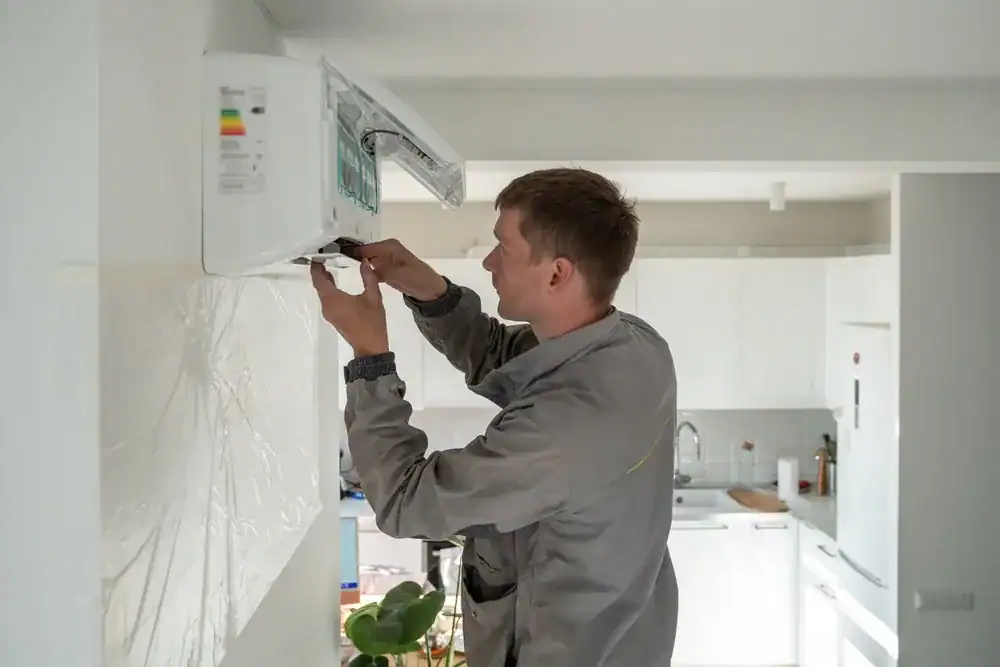
We start with a real diagnosis. Not a guess, not a standard service call that ends with a refrigerant top-off and a shrug. We look at what actually failed, why it failed, and whether the underlying cause is something that will come back. Transparent pricing means you know what the repair costs before we start — no surprises when the invoice arrives.
Common AC Problems Nassau County Homeowners Run Into
A few issues come up repeatedly in Nassau County homes, and most of them are predictable once you understand the local conditions.
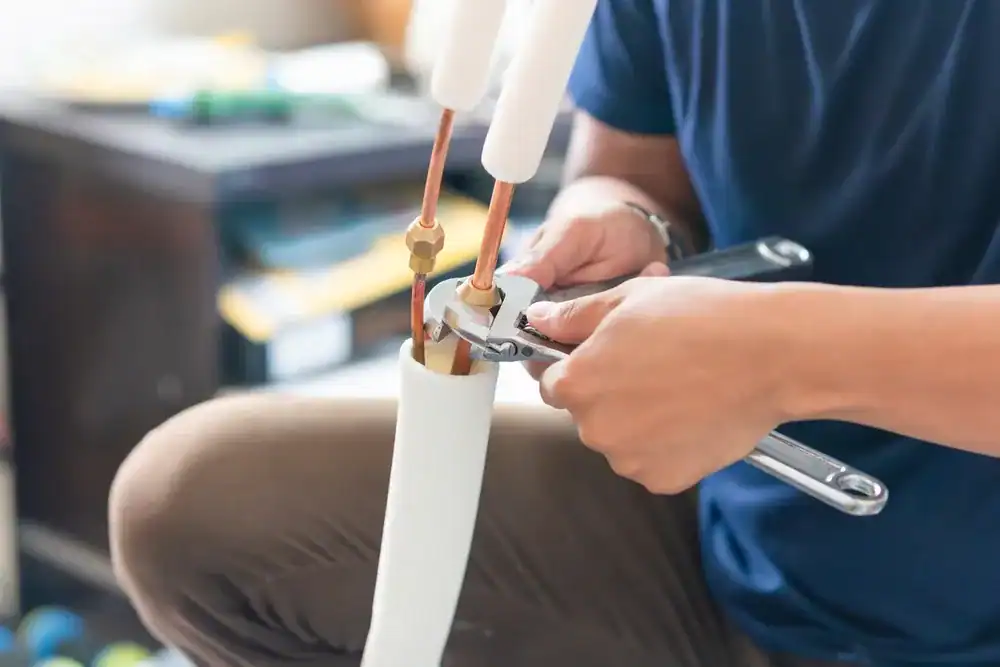
Refrigerant leaks are more common here than in drier climates. Salt air and coastal humidity accelerate corrosion on refrigerant lines and coil connections, and a slow leak can go unnoticed until the system stops cooling effectively. If your AC is running but the house isn’t getting cold, this is one of the first things we check. It’s also worth knowing that the EPA is phasing out R-410A refrigerant under new regulations taking effect in 2025 — meaning older systems that rely on it will face increasing costs and availability challenges going forward. If your system is aging, that’s a practical reason to have a replacement conversation sooner rather than later.
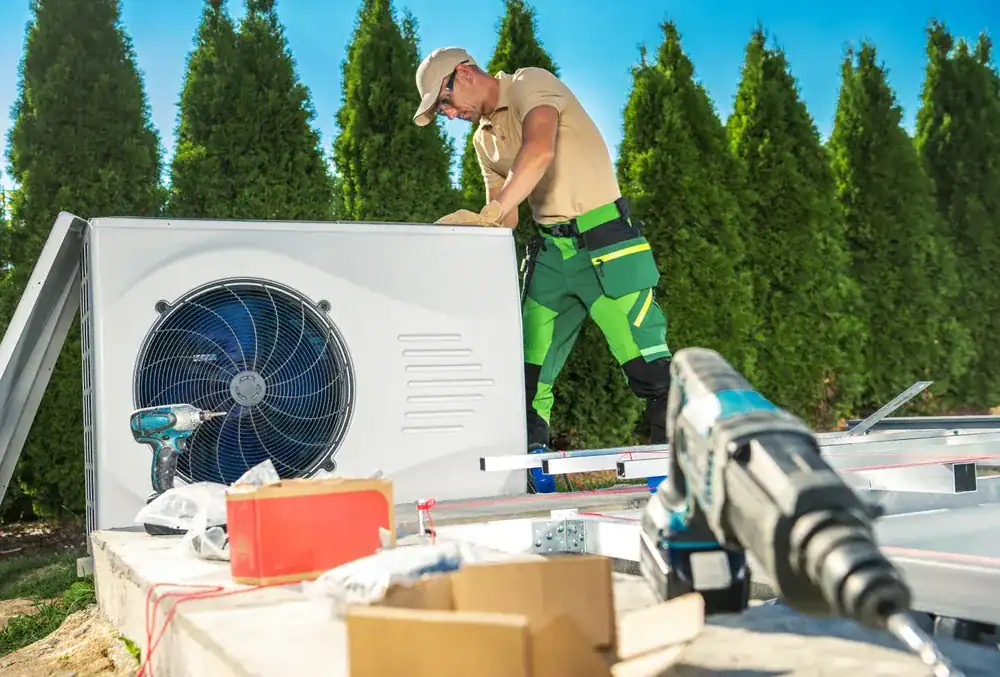
Compressor failure is another common issue, especially in systems that have been running hard through Nassau County summers. A failing compressor often gives warning signs — the system runs constantly without reaching the set temperature, or you hear unusual sounds from the outdoor unit. Catching it early usually means a repair. Ignoring it often means a full system replacement under worse circumstances.
Frozen evaporator coils are something we see frequently in homes with restricted airflow — dirty filters, blocked vents, or ductwork that was never sized correctly. The system looks like it’s running, but the coil ices over and cooling drops to nothing. It’s a fixable problem, but it often points to a maintenance gap that’s been building for a while.
We handle all of it — and we handle it the same way every time: diagnose accurately, explain clearly, price honestly, and fix it right. If a repair makes financial sense, we’ll say so. If the system is past the point where repair is the smart call, we’ll tell you that too, along with what a replacement would look like and what incentives might be available. PSEG Long Island offers rebates on ENERGY STAR certified models installed by participating contractors, and qualifying heat pump installations may be eligible for up to $2,000 in federal tax credits under current IRS guidelines.
Local Air Conditioning Repair: FAQs Nassau County Homeowners Actually Ask
**How do I know if I need a repair or a full replacement?** The honest answer depends on the age of your system, the cost of the repair, and how efficiently the system has been running. A general rule of thumb: if the repair costs more than half the price of a new system and your equipment is over 10–12 years old, replacement usually makes more financial sense — especially given where Long Island electricity rates are. We’ll walk you through the math during your estimate so you can make an informed decision, not a pressured one.
**Does Cool Bros Corp offer same-day service in Nassau County?** Yes. Same-day service is available, and our emergency line is staffed around the clock — nights, weekends, and holidays included. We’re based in Lynbrook, which means we’re already in Nassau County when you call. That proximity matters when you’re waiting on a technician in the middle of a heat wave in Wantagh or a cold snap in Garden City.
**What brands do you service?** We install and service a wide range of equipment, including Mitsubishi Electric, American Standard, Amana, Carrier, Trane, Rheem, and GE systems. As a Mitsubishi Electric authorized installer, we’re specifically trained on their ductless mini-split systems — including the H2i Hyper-Heating INVERTER technology that operates down to -13°F, which makes it a genuinely viable heating solution for Nassau County winters.
**Are there rebates available for new HVAC systems on Long Island?** Yes. As a participating contractor with PSEG Long Island, we can help you access available rebates on qualifying ENERGY STAR certified equipment. Federal tax credits of up to $2,000 are also available for qualifying heat pump installations. We factor these into our estimates so you have a clear picture of the actual cost.
**How often should I have my system serviced?** Once a year is the standard recommendation — ideally before the season you’ll be using it most. A pre-summer AC tune-up and a pre-winter heating inspection catch small problems before they become expensive ones and help maintain the manufacturer warranty on your equipment.
Finding the Right HVAC Company in Nassau County Doesn’t Have to Be Complicated
At the end of the day, what Nassau County homeowners want from an HVAC company is pretty straightforward: show up when you say you will, do the work correctly, charge what you quoted, and be reachable if something goes wrong. That’s the standard we’ve built our reputation on over eight years of serving this community.
The details we’ve covered here — proper sizing, honest diagnostics, licensed technicians, real emergency availability — aren’t extras. They’re the baseline for doing this job right. And in a market where a lot of companies make the same claims, the difference shows up in the reviews, the credentials, and what actually happens when you call at 11pm in January.
If your system is giving you trouble, or you’re thinking about a replacement and want to understand your options, reach out to Cool Bros Corp. We’ll give you a straight answer and a free estimate — no pressure, no surprises.