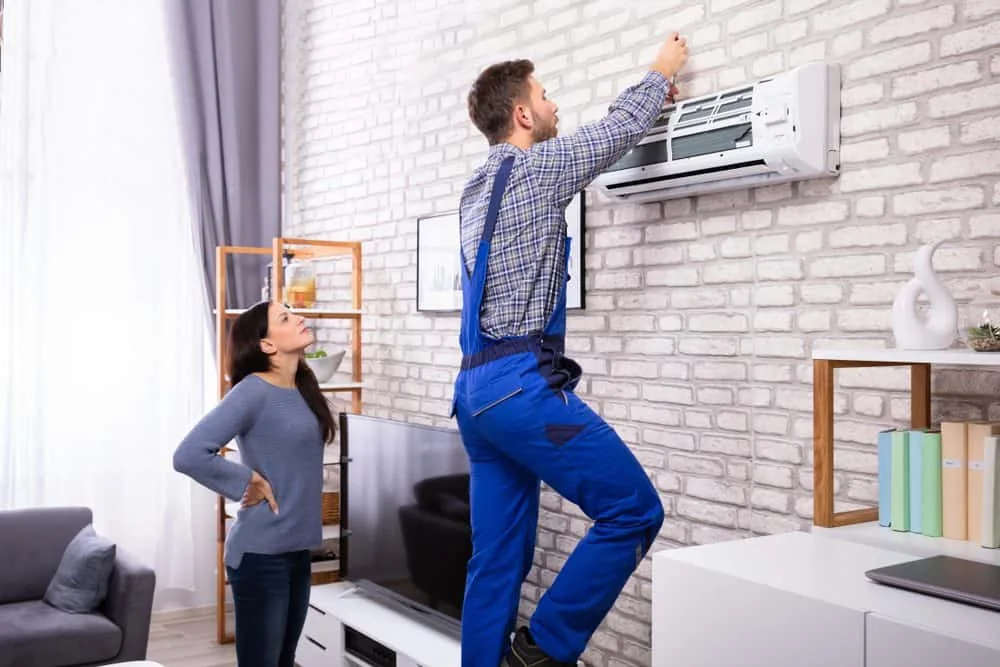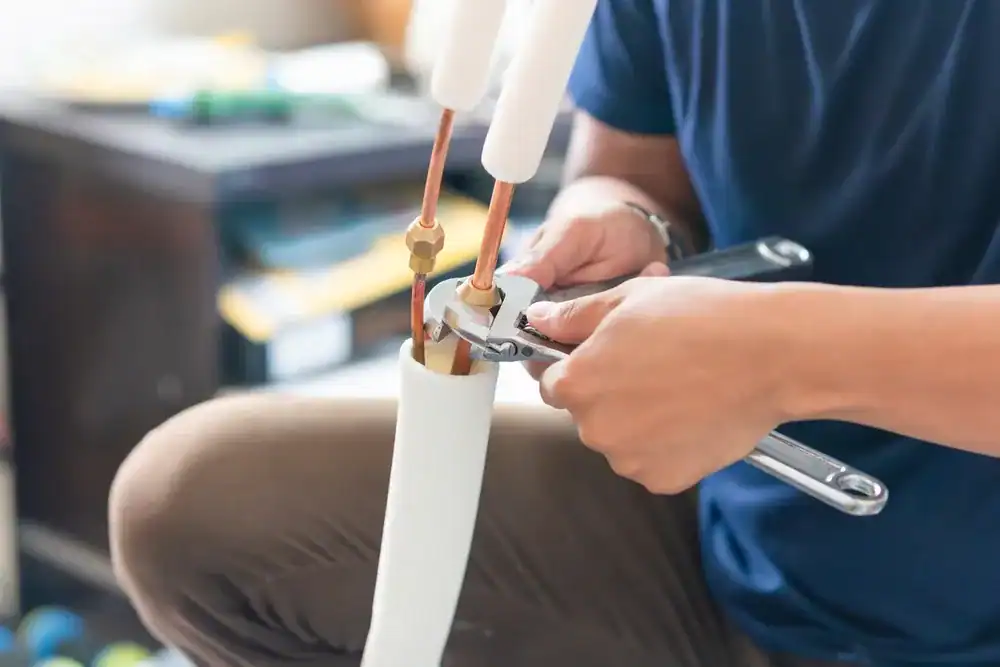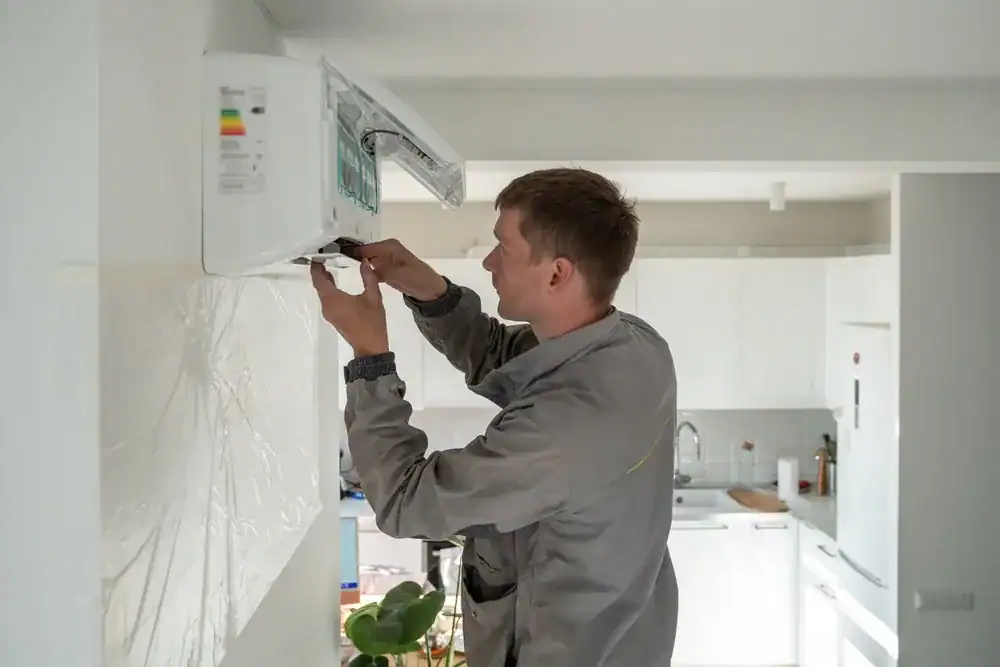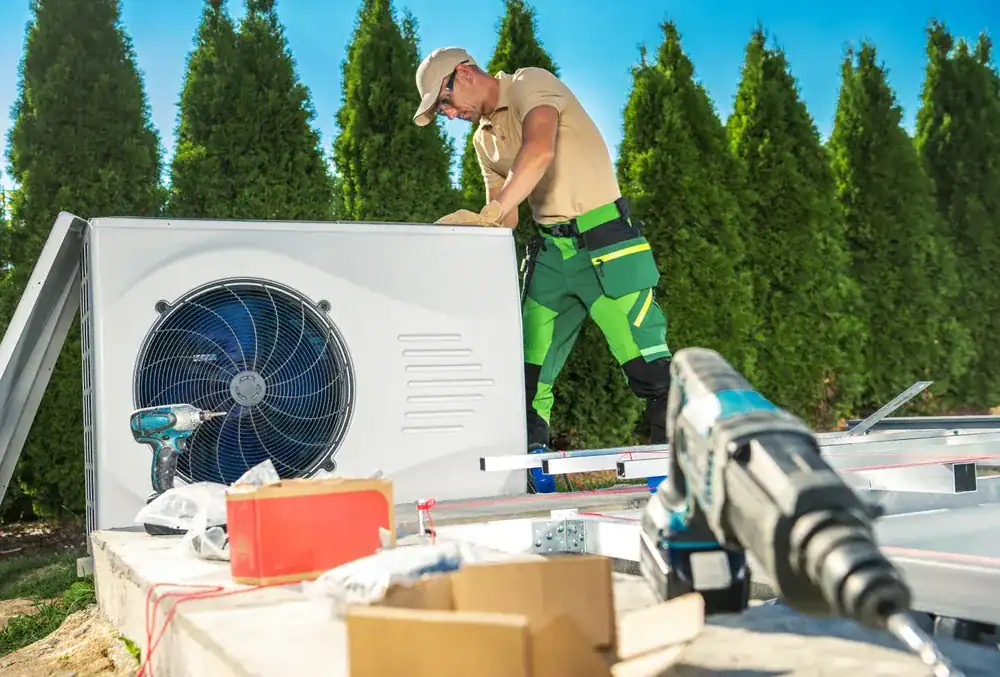
Your AC quits at midnight in July. Your furnace dies on Christmas morning. The thermostat reads 58 degrees and dropping—and it’s 11 PM on a Saturday.
You need help now. But what’s it going to cost?
Emergency HVAC repairs come with premium pricing that catches most homeowners off guard. The same repair that costs $400 on a Tuesday afternoon might run $800 on Sunday night. And if you’ve been skipping maintenance, that “emergency” might actually be a $3,000 compressor failure that could’ve been prevented with a $150 tune-up.
Here’s what emergency HVAC repair actually costs in Nassau County, what separates a true emergency from something that can wait until morning, and how to avoid both the sticker shock and the breakdown in the first place.
What Emergency HVAC Repair Actually Costs
Let’s cut to the numbers. Standard HVAC repairs during regular business hours typically run $300 to $550 for common issues. That covers the service call, diagnosis, labor, and parts for things like capacitor replacements, thermostat repairs, or minor refrigerant adjustments.
Emergency service changes that equation. When you call after hours, on weekends, or during holidays, those same repairs jump to $600 to $1,100. Some companies charge double their normal hourly rate. Others add flat emergency fees on top of standard pricing. A few go as high as triple their regular rates.
The math is simple but brutal. If a contractor normally charges $100 per hour for labor, emergency calls might cost $150 to $200 per hour—plus the service call fee, which itself can climb from $75 during the day to $200 or more after midnight.
After Hours HVAC Cost Breakdown
After-hours pricing isn’t arbitrary. It reflects real costs that contractors face when they staff technicians outside normal business hours. But understanding the breakdown helps you know what you’re actually paying for.
Most emergency calls start with a diagnostic or service call fee. During business hours, that’s typically $75 to $150 in Nassau County. After hours, it jumps to $150 to $300. That fee covers the technician’s travel time, initial diagnosis, and the overhead of maintaining 24/7 availability.
Then comes labor. Standard hourly rates run $100 to $150 during the day. Emergency labor rates add 25% to 100% on top—so you’re looking at $125 to $300 per hour depending on the company and the time of call. A repair that takes two hours of work could cost $200 to $400 in labor during the day, but $300 to $600 after hours.
Parts costs stay relatively consistent, though some companies charge premium fees for after-hours parts sourcing. If a technician needs to pull a part from a 24-hour distributor instead of their normal supplier, you might pay 10% to 20% more for the component itself.
The real cost driver is timing. A Sunday morning call might cost less than a 3 AM emergency on a holiday. Peak season matters too. When every HVAC company in Nassau County is slammed during a July heat wave, emergency rates reflect that demand. The same holds true during January cold snaps when furnaces are failing across the county.
Here’s what catches people off guard: some emergency repairs don’t stop at the initial fix. If your system has been neglected and the technician discovers a dirty coil caused low refrigerant, which damaged the compressor, you’re not looking at a $600 emergency call anymore. You’re facing a $1,500 to $3,000 compressor replacement—at emergency rates. That’s when bills hit $5,000 or more.
Weekend HVAC Repair Cost vs Weekday Pricing
Weekend pricing sits in a middle ground between regular weekday rates and true middle-of-the-night emergency calls. Most Nassau County HVAC companies charge elevated rates on Saturdays and Sundays, but not quite as high as holiday or overnight service.
A typical weekend service call fee might run $100 to $200—higher than the weekday $75 to $150, but lower than the holiday rate of $200 to $300. Labor rates follow the same pattern. Weekday work costs $100 to $150 per hour. Weekend calls bump that to $125 to $200 per hour. It’s premium pricing, but not the double or triple rates you’d see for a 2 AM emergency.
The question becomes: can your issue wait until Monday? If it’s Saturday afternoon and your AC isn’t cooling but temperatures inside are still manageable, waiting 48 hours could save you $200 to $400. If it’s Saturday night, temperatures are climbing into the 90s inside your home, and you have young kids or elderly family members, that’s not the time to wait for a better rate.
Some companies don’t differentiate weekend rates from weekday pricing, which can be a real advantage if you need service on a Saturday. Others charge the same rate for any after-hours call, whether it’s 6 PM on a Wednesday or noon on Sunday. Ask about the specific rate structure when you call. A company that’s transparent about pricing will tell you exactly what you’ll pay before sending a truck.
One more factor to consider: availability. During peak season weekends, some companies are booked solid. If you wait until Saturday morning to call about your failing AC, you might not get service until Monday anyway—and by then, you’ve spent the whole weekend uncomfortable. Calling early in the week for non-emergency issues gives you more control over timing and cost.
True Emergency vs What Can Wait Until Morning
Not every HVAC problem is an emergency. The difference between “inconvenient” and “urgent” can save you hundreds of dollars and help you make smarter decisions when your system acts up.
A true HVAC emergency threatens health, safety, or property. That’s the standard. If the situation puts anyone at risk or could cause serious damage to your home, it’s time to call for emergency service. If it’s uncomfortable but manageable until morning, it probably isn’t an emergency.
Here’s how to tell the difference. If you smell gas near your furnace, that’s an immediate emergency—evacuate, call your gas company, then call an HVAC tech. If you smell burning plastic or see smoke coming from your unit, shut it down and call right away. Electrical issues like sparking, popping sounds, or repeatedly tripped breakers need same-day attention.
When to Call for Emergency Service Immediately
Some situations don’t give you the luxury of waiting. Complete system failure during extreme weather tops the list. If your AC quits during a Nassau County heat wave and indoor temperatures are climbing past 90 degrees, that’s an emergency—especially if you have young children, elderly family members, or anyone with health conditions in the home. Heat stroke and dehydration become real risks fast.
The same holds true in winter. If your furnace stops working and outdoor temperatures are below freezing, you need heat restored quickly. Frozen pipes can burst and cause thousands in water damage. Indoor temperatures dropping into the 40s or 50s create unsafe conditions, particularly for vulnerable family members.
Gas leaks demand immediate action. If you smell rotten eggs or sulfur near your heating system, shut off the gas supply if you can do so safely, evacuate everyone from the home, and call your gas company from outside. Then call an HVAC technician for emergency repair once the gas company clears you to re-enter.
Water leaks around your HVAC system can escalate quickly. A clogged condensate drain or frozen evaporator coil might seem minor, but water pooling near electrical components creates shock hazards and can damage ceilings, floors, and walls. If you see active water leaking from your system, shut it down and call for service.
Loud mechanical noises—grinding, screeching, banging—often signal internal component failure. Running the system with a failing blower motor or damaged compressor can turn a $400 repair into a $2,000 replacement. If your system is making sounds that seem wrong, shut it off and get a technician out to diagnose it before the damage spreads.
Refrigerant leaks affect more than just cooling performance. Low refrigerant forces your compressor to work harder, which leads to compressor failure—one of the most expensive HVAC repairs. If your system isn’t cooling properly and you notice ice forming on the refrigerant lines or hear hissing sounds, call for service before the compressor gives out completely.
HVAC Issues That Can Wait for Regular Service Hours
Plenty of HVAC problems feel urgent but aren’t actually emergencies. Knowing which issues can wait saves you money and helps you avoid unnecessary after-hours fees.
Uneven temperatures between rooms rarely constitute an emergency. If your bedroom is warmer than your living room but the system is still running, that’s likely an airflow or ductwork issue. Schedule a service call during business hours to have it diagnosed and fixed at standard rates.
Minor airflow issues fall into the same category. If your vents are blowing air but the volume seems lower than normal, check your air filter first. A clogged filter is the most common cause of reduced airflow, and it’s something you can replace yourself. If the filter is clean and airflow is still weak, schedule a maintenance visit. It’s not an emergency unless the system stops working entirely.
Thermostat malfunctions can usually wait. If your thermostat display is acting up or the temperature readings seem off, try replacing the batteries first. Many thermostat issues come down to dead batteries or incorrect settings. If that doesn’t solve it, a weekday service call will cost significantly less than an emergency visit.
Strange but mild noises don’t always require immediate attention. If your system is making a sound you haven’t heard before but it’s still heating or cooling normally, note when the noise happens and schedule a diagnostic visit. We can often identify the source during a routine call and fix it before it becomes a bigger problem.
Rising energy bills without a sudden loss of performance usually point to efficiency issues, not emergencies. If your system is still working but your utility costs are creeping up, that’s a sign you need maintenance or possibly a repair—but it can wait for a scheduled appointment. Routine maintenance often solves efficiency problems and costs a fraction of what you’d pay for emergency service.
Seasonal issues matter too. If your AC stops working in October when outdoor temperatures are in the 60s, you don’t need emergency service. You can wait until regular business hours or even schedule it for the spring before cooling season starts. Same goes for heating issues in May—it’s inconvenient, but not urgent.
How to Avoid Emergency HVAC Repair Costs Altogether
The best way to handle emergency HVAC repair costs is to avoid needing emergency repairs in the first place. Regular maintenance catches small issues before they turn into expensive failures. A $150 tune-up in the spring prevents the $1,100 emergency call in July.
Studies show that proper maintenance eliminates about 80% of emergency repairs before they happen. Our technicians clean coils, check refrigerant levels, inspect electrical connections, and test system performance. We catch the dirty coil before it causes low refrigerant. We replace the worn capacitor before it fails and leaves you without cooling on the hottest day of summer.
The math works in your favor. Annual maintenance costs $150 to $300 depending on your system. Emergency repairs run $600 to $1,100 for common issues, and $3,000 to $5,000 for major component failures. One prevented emergency pays for years of maintenance. If you’re in Nassau County, NY and want to protect yourself from both the breakdown and the bill, reach out to us at Cool Bros Corp for transparent pricing, honest assessments, and the kind of preventive care that keeps systems running when you need them most.