Learn when your Nassau County, NY HVAC system needs replacement versus repair, plus energy-saving benefits of upgrading.
The lifespan of your HVAC system depends on several factors, but general guidelines can help you plan ahead. Most air conditioners and heat pumps operate efficiently for 10 to 15 years, while furnaces typically provide reliable service for 15 to 20 years. Boilers tend to last the longest, often reaching 20 to 30 years with proper maintenance.
These numbers aren’t set in stone, though. Your system’s actual lifespan depends on factors like maintenance frequency, usage patterns, and Nassau County, NY’s demanding climate. Systems that run year-round in our region’s hot summers and cold winters typically experience more wear than those used seasonally.
Quality matters too. Higher-end equipment with regular professional maintenance often exceeds these averages, while budget systems or those with poor maintenance may fall short.
Nassau County, NY’s climate presents unique challenges for HVAC systems. Summer temperatures reaching 82°F mean your air conditioning works hard for extended periods. Combined with humid conditions, this constant operation accelerates component wear, particularly on compressors and condensers.
Winter heating demands add another layer of stress. Systems that provide both heating and cooling year-round experience more frequent cycling, which can reduce their operational life compared to systems used seasonally. The salt air in coastal areas of Nassau County, NY can also cause premature corrosion of outdoor units.
Installation quality plays a crucial role in longevity. Properly sized systems that match your home’s heating and cooling load will operate more efficiently and last longer. Oversized systems cycle on and off frequently, leading to premature wear on components like compressors and blower motors. Undersized systems run constantly, never catching up with demand and wearing out faster.
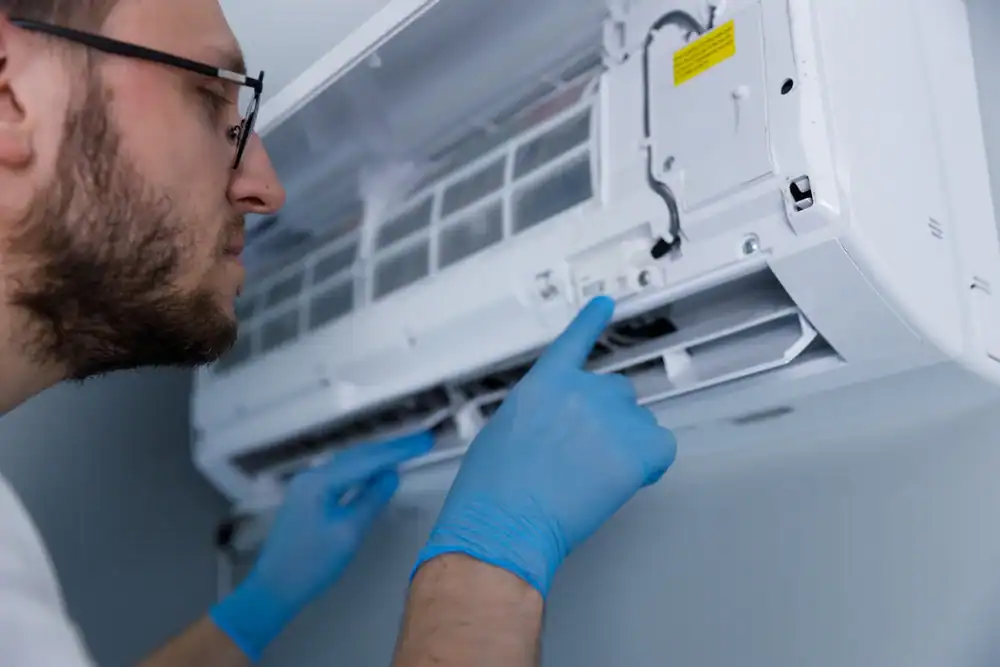
Regular maintenance extends system life significantly. Professional tune-ups catch small issues before they become major problems. Simple tasks like changing filters regularly prevent airflow restrictions that force your system to work harder. Clean coils, calibrated thermostats, and properly lubricated moving parts all contribute to longer equipment life and better performance throughout Nassau County, NY’s varying seasons.
Nassau County, NY’s climate presents unique challenges for HVAC systems. Summer temperatures reaching 82°F mean your air conditioning works hard for extended periods. Combined with humid conditions, this constant operation accelerates component wear, particularly on compressors and condensers.
Winter heating demands add another layer of stress. Systems that provide both heating and cooling year-round experience more frequent cycling, which can reduce their operational life compared to systems used seasonally. The salt air in coastal areas of Nassau County, NY can also cause premature corrosion of outdoor units.
Installation quality plays a crucial role in longevity. Properly sized systems that match your home’s heating and cooling load will operate more efficiently and last longer. Oversized systems cycle on and off frequently, leading to premature wear on components like compressors and blower motors. Undersized systems run constantly, never catching up with demand and wearing out faster.
Regular maintenance extends system life significantly. Professional tune-ups catch small issues before they become major problems. Simple tasks like changing filters regularly prevent airflow restrictions that force your system to work harder. Clean coils, calibrated thermostats, and properly lubricated moving parts all contribute to longer equipment life and better performance throughout Nassau County, NY’s varying seasons.
Want live answers?
Connect with a Cool Bros expert for fast, friendly support.
Your HVAC system communicates its condition through various warning signs. Learning to recognize these signals helps you plan replacement before emergency failure leaves you uncomfortable during Nassau County, NY’s extreme weather. Some indicators are obvious, while others require closer attention to energy bills and system performance.
The most reliable warning signs combine multiple factors rather than isolated incidents. A single repair doesn’t necessarily indicate replacement time, but frequent service calls combined with rising energy costs and declining comfort suggest your system approaches the end of its useful life.
Unexplained increases in energy costs often signal declining HVAC efficiency. When your system works harder to maintain the same comfort level, energy consumption rises accordingly. Compare recent bills to previous years during similar weather periods. Significant increases without changes in usage patterns or utility rates indicate your system struggles with age-related efficiency loss.
Frequent repair calls provide another clear indicator. If you’re scheduling HVAC service more than once per year for repairs beyond routine maintenance, your system likely approaches replacement time. Each repair represents a component failure, and multiple failures suggest systematic wear throughout the equipment.
The cost of repairs matters too. A useful rule of thumb multiplies your system’s age by the repair cost. If this number exceeds $5,000, replacement typically makes more financial sense than continued repairs. This calculation helps you avoid throwing good money after bad on an aging system.
Consider the inconvenience factor as well. Repeated breakdowns during peak seasons—when you need heating or cooling most—create stress and discomfort. Emergency repairs often cost more than scheduled replacements, and finding available technicians during busy periods can be challenging. Planning replacement ahead of system failure gives you more control over timing and costs.
Uneven temperatures throughout your home often indicate HVAC system decline. Hot and cold spots, rooms that never reach the desired temperature, or constant adjustments to find comfort suggest your system can no longer effectively distribute conditioned air. These issues may stem from failing components, ductwork problems, or inadequate system capacity for your home’s current needs.
Unusual noises signal mechanical problems that often worsen over time. Grinding, banging, squealing, or persistent humming sounds indicate worn bearings, loose components, or failing motors. While some noises can be repaired, multiple sound issues often point to widespread component wear that makes replacement more economical than extensive repairs.
Air quality problems also indicate system aging. If your home feels more humid in summer or dry in winter, your HVAC system may no longer effectively manage moisture levels. Increased dust, stale odors, or allergy symptoms can result from failing filtration or ventilation components. Modern systems offer superior air quality features that older equipment simply cannot match.
Poor airflow from vents suggests blower motor issues, ductwork problems, or clogged components. When combined with other performance issues, reduced airflow often indicates system-wide decline rather than isolated problems. Professional evaluation can determine whether repairs can restore performance or if replacement offers better long-term value for your Nassau County, NY home.
Recognizing when your HVAC system needs replacement helps you avoid emergency situations and take advantage of energy-saving opportunities. Systems showing multiple warning signs—frequent repairs, rising energy costs, comfort issues, and age-related decline—typically benefit from replacement rather than continued repairs.
Modern HVAC equipment offers significant advantages over older systems, including improved efficiency, better comfort control, and smart technology integration. These benefits translate to lower operating costs, enhanced comfort, and increased home value. When planning replacement, consider your long-term comfort and financial goals rather than just the immediate repair costs.
We help Nassau County, NY homeowners make informed decisions about HVAC replacement and installation. Our experienced technicians can evaluate your current system and recommend solutions that match your needs and budget.
Summary: