Here’s the thing about Nassau County winters: they don’t ease you in. One week it’s 65 degrees, and the next you’re waking up to 28°F with a wind chill that cuts right through. If your heating system hasn’t been looked at since last spring, that first cold snap is when you’ll find out — and that’s not a great time to find out.
This checklist is for homeowners who want to get ahead of it. We’ll cover what you can do yourself, what requires a licensed technician, and why the difference between those two categories matters more than most people realize.
Gas Furnace Maintenance: What Nassau County Homeowners Should Check Every Fall
A gas furnace that turns on and produces heat is not automatically a safe or efficient one. That’s the part most people get wrong. A system can run, warm your home, and still have a cracked heat exchanger leaking carbon monoxide — colorless, odorless, completely undetectable without proper testing equipment.
Fall is the right time to address this, before the system is running every day. Once December hits and temperatures drop, HVAC companies across Nassau County shift into emergency repair mode. Scheduling a tune-up in September or early October means getting a spot on our calendar before we’re booked solid with breakdowns.
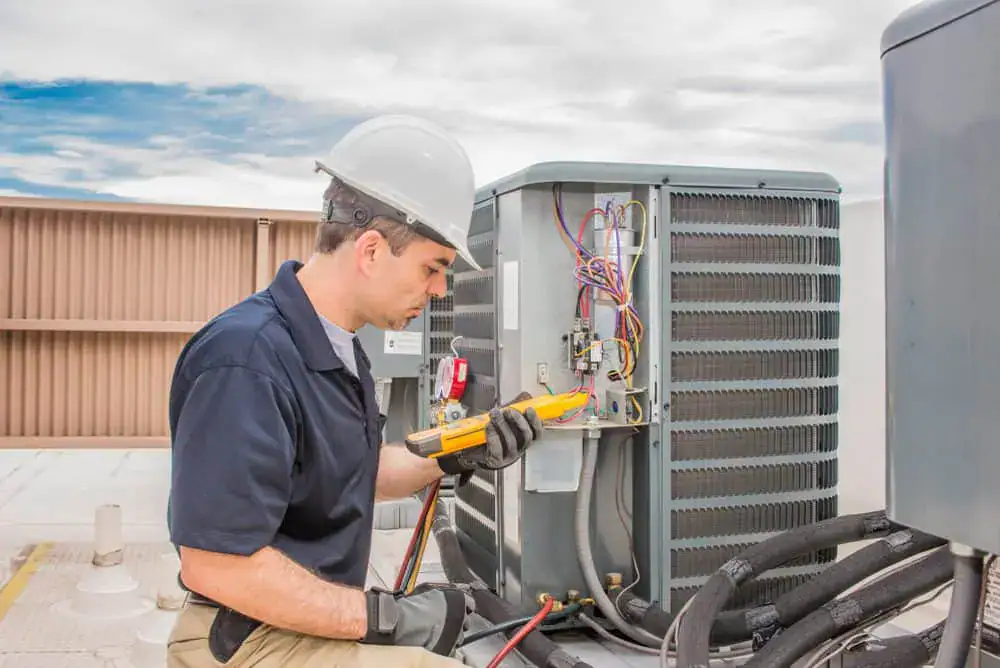
What a Professional Gas Furnace Tune-Up Actually Covers
A lot of homeowners assume furnace maintenance means a technician swaps the filter and calls it a day. The filter is one item on a list of roughly a dozen. Here’s what a proper fall tune-up actually involves — and why each step matters.
The heat exchanger inspection is the most critical. This is the component that separates combustion gases from the air circulating through your home. A crack here is how carbon monoxide enters your living space. It’s invisible to the naked eye without the right tools, and it’s not something a homeowner can check on their own.
Combustion efficiency testing measures how completely your furnace is burning fuel. A furnace running at low combustion efficiency isn’t just wasting gas — it’s producing more byproducts and working harder than it needs to. The U.S. Department of Energy estimates that proper HVAC maintenance can cut energy bills by 5 to 20 percent annually. That’s a real number, and it starts with a clean, well-calibrated system.
Beyond those two, a thorough tune-up includes inspecting and cleaning the burners, checking all electrical connections, lubricating moving parts in the blower assembly, verifying that the venting and flue system are clear and intact, testing the thermostat calibration, and checking for carbon monoxide leaks at multiple points. If you have a programmable or smart thermostat, this is also a good time to confirm it’s reading temperatures accurately and running the right schedule.
What you can reasonably do yourself: replace or inspect the air filter every one to three months during active heating season, make sure supply and return vents throughout your home aren’t blocked by furniture or rugs, and check that the area around your furnace is clear of flammable materials. These are genuinely useful tasks. They’re just not substitutes for a professional inspection.
Nassau County’s housing stock adds a layer of context here. A significant portion of homes in communities like Levittown, Massapequa, and Hicksville were built during the post-WWII suburban boom of the 1940s and 1950s. Many of those homes have had one or two furnace replacements since then — but the ductwork, venting, and electrical infrastructure surrounding the furnace is often original or close to it. Older systems in older homes need more attention, not less.
Signs Your Furnace Needs Attention Before Winter
Most furnaces don’t fail without warning. The warnings just tend to be easy to ignore, especially when the system is still producing heat. Knowing what to look for in the fall — before you’re depending on the system every day — gives you time to address problems on your schedule rather than in a crisis.
Unusual sounds are one of the clearest signals. A furnace that’s running cleanly is relatively quiet. Banging when it starts up can indicate delayed ignition — a buildup of gas that ignites all at once instead of smoothly. Rattling often points to loose components in the blower or ductwork. A high-pitched squealing sound usually means the blower motor belt or bearings are worn. None of these are emergencies the moment they appear, but all of them get worse if ignored through a full heating season.
Uneven heating throughout your home is another one worth paying attention to. If some rooms are noticeably colder than others and your thermostat is set consistently, the issue could be a dirty or failing blower, duct leaks, or blocked registers. It could also be something as simple as a filter that’s been in place too long and is restricting airflow.
Rising energy bills without a clear explanation — no major change in how you’re using the system, no dramatic weather shift — often point to a furnace that’s working harder than it should. Dirty burners, a clogged filter, or a system that’s out of calibration all reduce efficiency and show up on your PSEG Long Island bill. If your heating costs climbed noticeably last winter and you didn’t have the system serviced, that’s a direct connection worth making.
The pilot light or ignition flame on a gas furnace should burn blue. A yellow or orange flame indicates incomplete combustion — the system is not burning fuel cleanly. This is a safety issue, not just an efficiency one, and it warrants a call to a licensed technician rather than a wait-and-see approach.
Boiler Service in Nassau County: A Different System, A Different Checklist
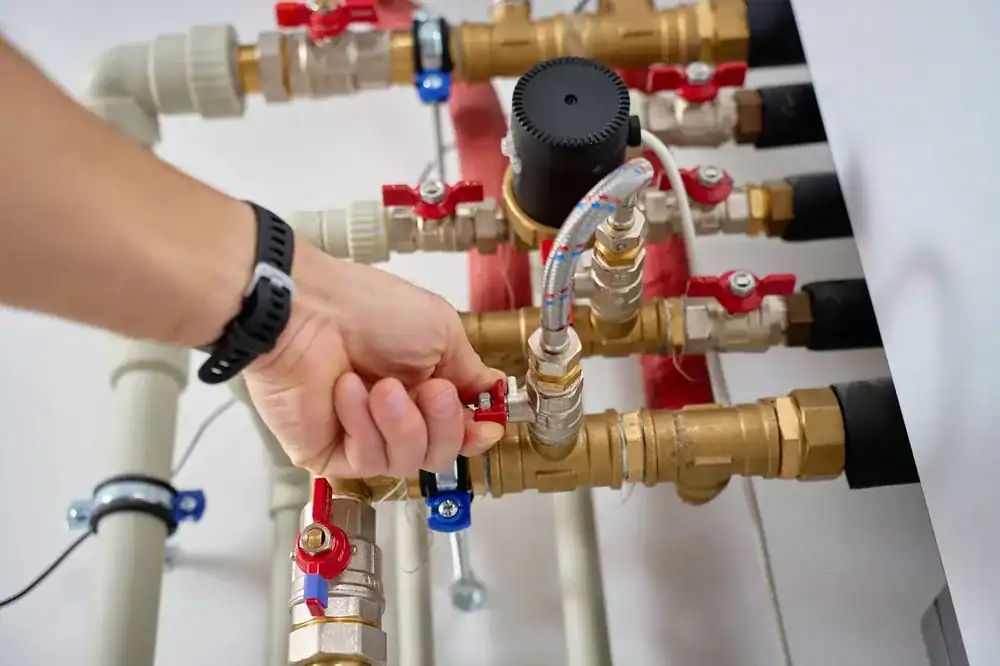
If your Nassau County home has cast-iron radiators, you have a boiler — and your fall checklist looks different from your neighbor with a forced-air furnace. Boilers heat water and circulate it through your home’s radiator system. They don’t use ductwork, they don’t have air filters in the traditional sense, and they have their own specific set of maintenance needs that a furnace-focused technician may not be fully equipped to address.
The good news is that boilers are among the most durable heating systems available. A well-maintained residential boiler can last 15 to 30 years. The catch is that “well-maintained” is doing a lot of work in that sentence.
What Boiler Maintenance Involves and Why Older Nassau County Homes Need It Most
Annual boiler service should happen in late summer or early fall — before the heating season, when a technician can actually take the system offline for inspection without leaving you without heat. The core of a professional boiler tune-up includes checking and adjusting system pressure, inspecting the heat exchanger and flue for cracks or corrosion, testing safety controls and the pressure relief valve, bleeding air from the radiators, and checking the expansion tank.
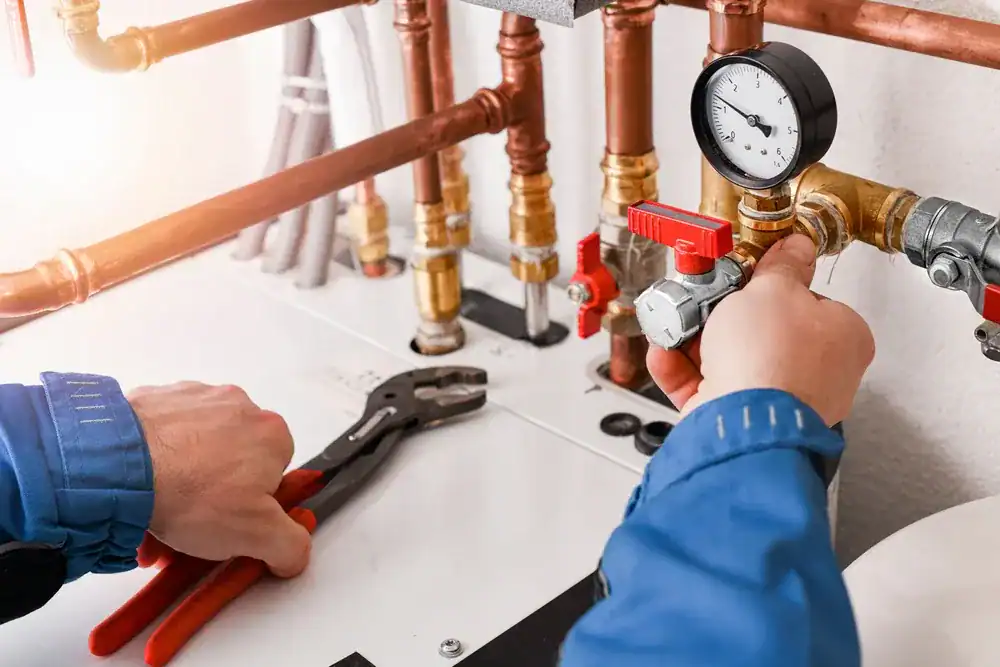
Pressure is one of the clearest things a homeowner can monitor themselves. For most residential hot water boilers, the safe operating range when cold is 12 to 15 PSI. Your boiler has a pressure gauge visible on the unit — it should read within that range consistently. If the pressure is running high, dropping on its own, or fluctuating noticeably, that’s a sign something in the system needs attention.
Bleeding radiators is another task that falls within the homeowner’s range. If a radiator in your home takes a long time to warm up, stays cold at the top while the bottom gets hot, or makes gurgling sounds, there’s likely air trapped in the system. Bleeding it — releasing that air through the small valve on the radiator — is a straightforward process. It doesn’t require tools beyond a radiator key and a cloth, and it can meaningfully improve how evenly your home heats.
What it doesn’t replace is a professional inspection of the components you can’t see or test without equipment. The flue system on a boiler is particularly important in Nassau County. The county’s coastal proximity means salt-laden air and higher-than-average humidity — both of which accelerate corrosion on metal flue pipes and exhaust components. A corroded or compromised flue is a carbon monoxide hazard, and it’s not something that announces itself before it becomes a problem. Annual professional inspection is how you catch it early.
Homes in older Nassau County communities — Garden City, Rockville Centre, Valley Stream, and Inwood — are disproportionately likely to have boiler systems, and many of those systems are original to the home or close to it. That’s not a reason to replace them. It is a reason to have them professionally inspected every year without exception.
Heating Maintenance Services: What to Expect When You Schedule a Fall Tune-Up
One of the most common reasons homeowners put off scheduling heating maintenance is not knowing what to expect. Will the technician find something wrong and push for an expensive repair? Will they actually do anything meaningful, or is it a quick once-over for a fee? These are fair questions.
A legitimate heating maintenance visit — whether for a furnace or a boiler — should take between one and two hours for a thorough job. The technician should inspect and clean the components discussed above, test the system’s safety controls, check combustion or system efficiency, and give you a clear summary of what they found. If something needs attention, we can explain what it is, why it matters, and what the options are — not just hand you a repair quote.
PSEG Long Island offers rebates on ENERGY STAR certified equipment installed by participating contractors, ranging from $200 to $800 per qualifying unit. Federal tax credits of up to $2,000 are available for qualifying heat pump installations. If your fall inspection reveals that your system is approaching the end of its useful life — a furnace that’s 18 or 20 years old, a boiler showing significant corrosion — those incentives make replacement more financially accessible than most homeowners realize. Financing is also available for new system installations, so a major equipment decision doesn’t have to be an all-at-once expense.
For homeowners who want to stop thinking about this every fall, our Maintenance Plan takes the scheduling off your plate. Rather than remembering to call in September, the service is built into a recurring plan that keeps your system current year over year. It’s the simplest way to make sure fall maintenance actually happens instead of getting pushed to November, then December, then never.
When to Schedule Fall Heating Service in Nassau County
The honest answer is: earlier than you think. September and October are the right months. By the time a cold front settles over Nassau County in late October or early November, the scheduling window for a non-emergency tune-up starts to compress. Technicians who were available in September are now handling breakdowns.
If you’re in Nassau County and your heating system hasn’t been serviced in the last twelve months, now is the right time to change that. We’ve been maintaining heating systems in Nassau County homes since 2016 — gas furnaces, boilers, heat pumps, and everything in between. Reach out before the season starts, and go into winter knowing your system is actually ready.