
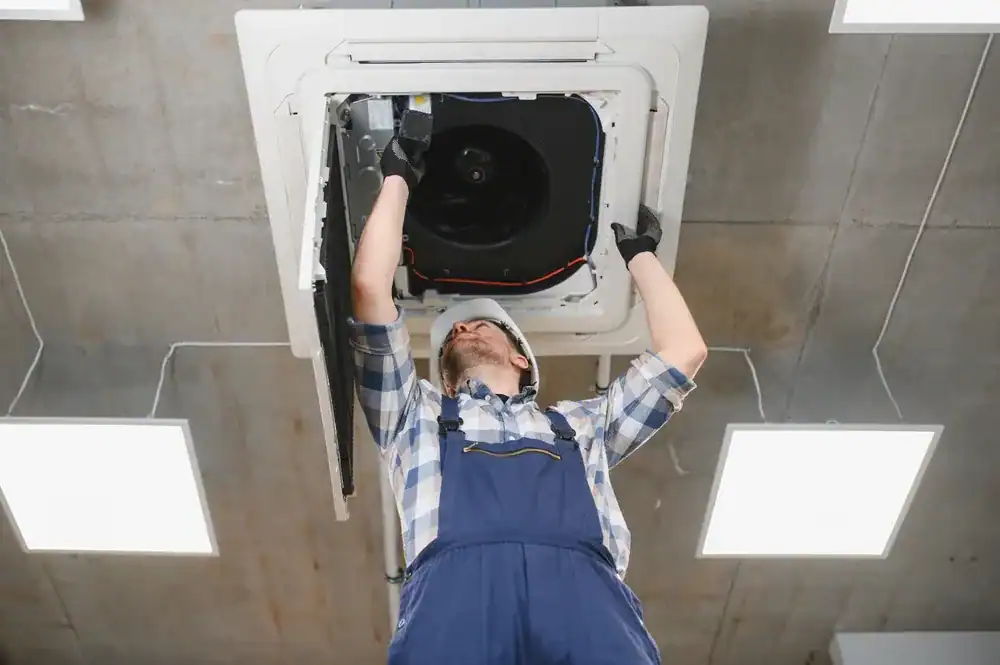
Your AC shouldn’t sound like a lawnmower. Your heating bill shouldn’t rival your mortgage. And you shouldn’t have to take a day off work waiting for a four-hour service window.
When your HVAC system in Long Beach, NY actually works the way it should, you stop thinking about it. The temperature stays consistent room to room. Your energy bills drop because the system isn’t fighting itself. You’re not dealing with that clammy humidity that comes with coastal living, and you’re not waking up to a frozen house because your furnace quit overnight.
That’s what happens when the installation is done right, the maintenance is handled before small issues become expensive ones, and the repairs are made by someone who knows the difference between a quick patch and a real fix. You get years of reliable performance instead of constant service calls.
We’ve spent over eight years handling HVAC services in Long Beach, NY and across Nassau County. We’re based in Lynbrook, family-owned, and we’ve built our reputation on showing up when we say we will and doing the work right the first time.
Living on the coast means your outdoor unit takes a beating from salt air. We’ve seen what happens when corrosion gets ignored, when filters clog with pollen and moisture, and when systems are sized wrong for the square footage. We know what breaks here and why.
Our BBB A+ rating isn’t about being perfect. It’s about fixing problems when they come up and treating people fairly. That’s how you stay in business in a place where everyone knows everyone.

You call or fill out a form. We ask a few questions about what’s going on—whether it’s a repair, replacement, or new installation. If it’s an emergency, we move fast. If it’s planned work, we schedule a time that doesn’t wreck your day.
Our technician shows up and actually looks at your system. Not just the obvious stuff—the whole setup. Ductwork, airflow, sizing, age of the equipment. If something’s wrong, we tell you what it is, what it’ll cost to fix, and how long it’ll take. No upselling. No scare tactics.
Once you approve the work, we handle it. Installation, repair, replacement—we do it with certified techs who’ve seen thousands of systems. When we’re done, we test everything, clean up, and walk you through what we did. Then we leave you with a system that works and a number you can call if anything comes up.

Ready to get started?
We handle the full range of heating and cooling work in Long Beach, NY. That includes air conditioning repair when your system stops cooling or starts leaking. Heating maintenance before winter hits so your furnace doesn’t fail when you need it most. Furnace installation and boiler repair for homes still running older heating systems. Heat pump services for anyone looking to heat and cool with one efficient unit. AC replacement when your current system is beyond saving. And ductless mini split installation for additions, garages, or rooms that never get comfortable.
Long Beach sits right on the water, which means humidity control matters. Your HVAC system has to dehumidify before it can cool effectively, and that puts extra strain on the equipment. We size systems correctly for coastal conditions and recommend units that can handle the moisture without burning out early.
We also deal with the reality of salt air. It corrodes outdoor units faster than you’d see a few miles inland. We install equipment that holds up better and recommend maintenance schedules that catch corrosion before it becomes an expensive problem. If your current system is rusting out or struggling with uneven temperatures, that’s usually a sign it wasn’t built or maintained for this environment.
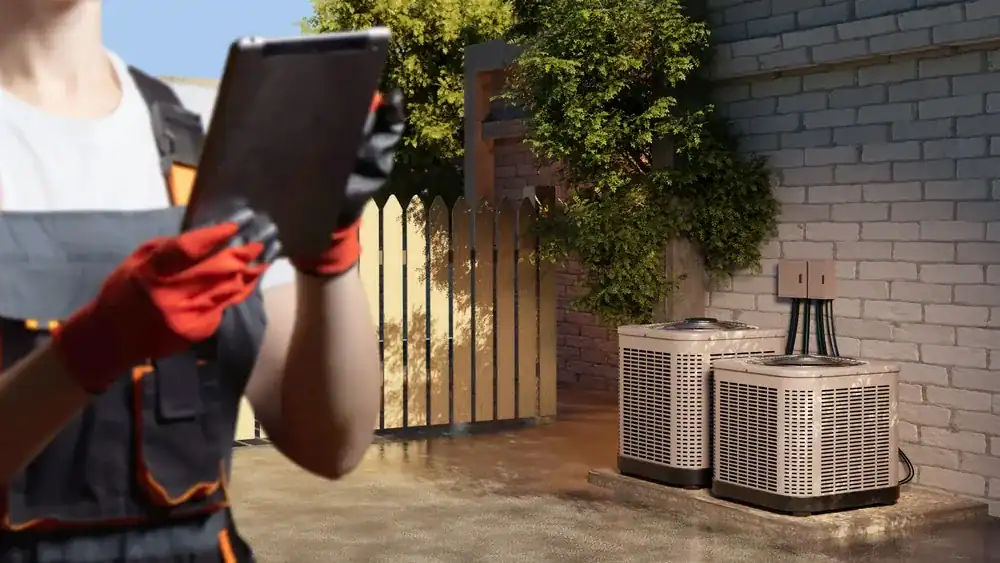
Twice a year is the standard—once before cooling season and once before heating season. But if you live right on the water, you’re better off with more frequent filter changes and an annual inspection of your outdoor unit for corrosion.
Salt air accelerates wear on metal components. A unit that would last 15 years inland might only give you 10 here if you’re not staying on top of it. Maintenance catches the small stuff—dirty coils, clogged drains, worn contactors—before they turn into no heat in January or no AC in July.
Most people skip it until something breaks. That’s when a $150 tune-up turns into a $1,200 repair or a full system replacement. The maintenance visit pays for itself the first time it prevents an emergency call.
You’re typically looking at $4,000 to $8,000 for a full AC replacement, depending on the size of your home, the efficiency of the unit, and whether your ductwork needs work. Higher-efficiency systems cost more upfront but lower your energy bills long-term.
If your current system is over 12 years old, uses R-22 refrigerant, or needs frequent repairs, replacement usually makes more financial sense than another fix. Newer systems are also better at handling humidity, which matters in a coastal climate where your AC is doing double duty.
We give you a clear estimate before any work starts. No surprise charges. And if there are rebates or financing options available, we’ll walk you through those too. The goal is to get you a system that fits your home and your budget without the runaround.
Your system might be running, but that doesn’t mean it’s running efficiently. Dirty filters, leaky ductwork, poor insulation, or an oversized unit can all spike your energy costs without obvious signs of failure.
An oversized system is one of the biggest culprits. It cools or heats too fast, then shuts off before it can dehumidify properly. That makes your home feel clammy, so you crank the thermostat lower, and the cycle repeats. You’re paying more for less comfort. Ductwork leaks are another silent budget killer—conditioned air escapes before it reaches your rooms, so the system runs longer to compensate.
A proper energy audit looks at airflow, insulation, duct integrity, and whether your system is sized correctly for your square footage. Sometimes a $200 duct sealing job saves you $50+ a month. That’s a fix that pays for itself in four months and keeps paying.
If your furnace is under 10 years old and the repair costs less than half the price of replacement, fixing it usually makes sense. If it’s over 15 years old, needs expensive parts, or has been repaired multiple times in the last two years, replacement is the smarter move.
Furnaces don’t last forever. Heat exchangers crack, blower motors fail, and efficiency drops as components wear out. An old furnace working at 60% efficiency is costing you more every month than a new one would. Plus, if the heat exchanger is cracked, that’s a carbon monoxide risk—you don’t repair that, you replace the unit.
We’ll tell you honestly whether a repair buys you another few years or if you’re just delaying the inevitable. Sometimes spending $400 on a repair makes sense. Sometimes it’s throwing money at a system that’s going to fail again in six months.
Salt air is rough on outdoor units. It causes rust and corrosion on metal components—coils, fins, fasteners, electrical connections. Left unchecked, that corrosion reduces efficiency, causes refrigerant leaks, and eventually kills the unit years before it should.
Humidity is the other issue. Your air conditioner has to pull moisture out of the air before it can cool effectively, and coastal air holds more moisture. If your system isn’t sized right or the airflow is restricted, it’ll struggle to dehumidify. You end up with a cold, clammy house instead of comfortable, dry air.
Regular maintenance helps. Rinsing the outdoor coil, checking for corrosion, replacing filters more often—it all adds years to your system’s life. And when it’s time to replace, choosing a unit with corrosion-resistant coatings and proper humidity control makes a difference you’ll feel every summer.
A furnace burns fuel—gas, oil, propane—to create heat. A heat pump moves heat from outside air into your home, even when it’s cold out. Heat pumps also cool in summer, so you get heating and AC in one system.
Heat pumps are more efficient in moderate climates, and Long Beach winters are generally mild enough for them to work well. They use less energy than a furnace because they’re transferring heat, not generating it. That can cut your heating costs significantly, especially with energy prices where they are.
The downside is that heat pumps lose efficiency when temps drop below freezing for extended periods. Some homes pair a heat pump with a backup heat source for the coldest days. Others stick with a traditional furnace or boiler. It depends on your home, your budget, and how much you’re paying to heat right now. We can run the numbers and show you what makes sense for your situation.
Local Resources
Other Services we provide in Long Beach
