
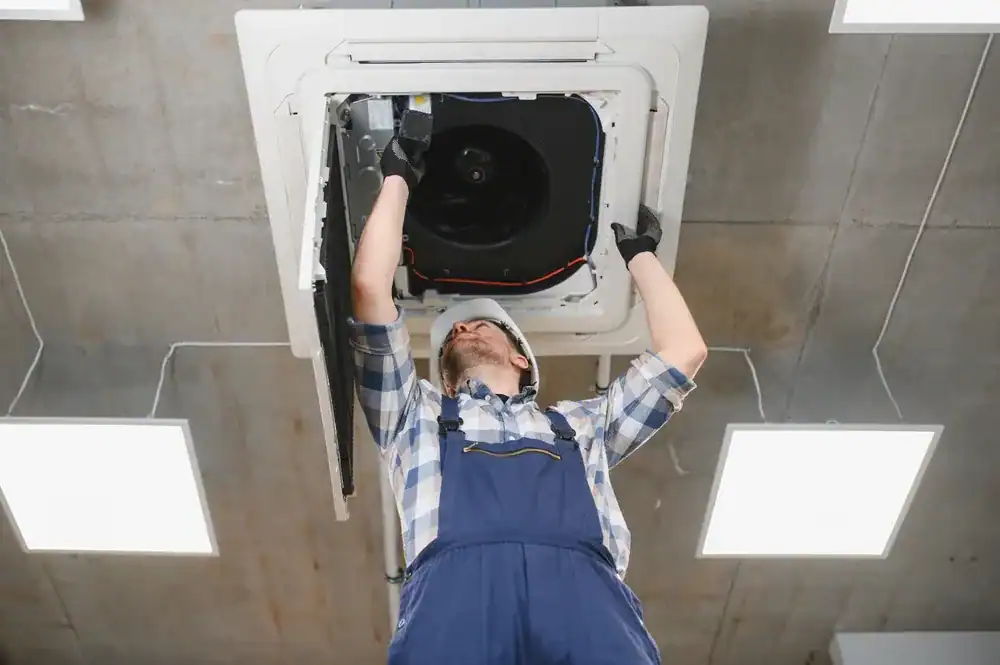
You’re not calling us because everything’s fine. Something’s off—your energy bill jumped without explanation, rooms stay too hot or too cold no matter what you do, or your system just quit in the middle of July. These aren’t minor annoyances when you’re trying to run a household or keep a business comfortable.
When we handle your heating maintenance in Glen Head, NY or take care of air conditioning repair in Glen Head, NY, the goal isn’t just fixing what broke. It’s making sure your system runs efficiently enough that you’re not bleeding money every month. It’s ensuring you’re not dealing with another breakdown three weeks later because someone took shortcuts.
Your home should feel comfortable without costing you a fortune. Your business should stay at the right temperature without constant service calls. That’s what proper HVAC services in Glen Head, NY actually look like—systems that work quietly in the background while you focus on everything else.
We’re based in Lynbrook, and we’ve spent over eight years working on HVAC systems throughout Nassau County. That means we know what Glen Head homes deal with—the coastal humidity that makes your AC work overtime, the winter cold snaps that test your heating system, the older homes with unique installation challenges.
Our team holds the certifications that matter, and we maintain our BBB A+ rating by doing what we say we’ll do. No surprise charges. No pushing equipment you don’t need. Just clear answers about what’s wrong and what it’ll take to fix it right.
You’ll find plenty of HVAC contractors in this area. What separates one from another comes down to whether they show up on time, explain things clearly, and stand behind their work. We do.

First, we actually listen. Whether you need furnace installation in Glen Head, NY or emergency AC replacement in Glen Head, NY, we start by understanding what’s happening with your system. What symptoms are you seeing? When did they start? What’s your timeline?
Then we assess the situation honestly. Our technician examines your system, tests performance, checks for underlying issues, and explains what they find in plain language. If it’s a simple fix, we tell you. If you need a bigger repair or replacement, we walk through your options with transparent pricing.
Once you decide how to move forward, we handle the work efficiently. For installations, that means proper sizing calculations, quality equipment, and installation that meets manufacturer specs. For repairs, it means fixing the actual problem—not just the symptom. For maintenance, it means thorough inspection and tune-ups that prevent future breakdowns.
After the job, we test everything, clean up completely, and make sure you understand how to operate your system. You get documentation of the work, warranty information, and a direct line if questions come up later. That’s it—no drama, no runaround.

Ready to get started?
We cover the full range of residential and commercial HVAC work. That includes heat pump services in Glen Head, NY, boiler repair in Glen Head, NY, central air systems, ductless mini-splits, and traditional furnaces. Installation, maintenance, emergency repairs—all of it.
Glen Head’s location on Long Island creates specific challenges. The humidity during summer makes your air conditioning work harder to dehumidify before it can cool effectively. Winter temperatures might not hit extreme lows often, but when they do, you need a heating system that responds immediately. And because many homes here have been standing for decades, we regularly work with older systems that need specialized knowledge.
Energy efficiency matters more now than ever. With electricity costs what they are, an inefficient HVAC system can cost you hundreds extra every year. When we recommend equipment or repairs, we factor in long-term operating costs, not just upfront price. Many Glen Head homeowners qualify for rebates and tax credits on high-efficiency systems—we help you navigate those programs so you’re not leaving money on the table.
We also understand timing. You can’t wait three days for heat in January or AC in August. Our response times reflect that reality.
Age and repair cost are your two main factors. If your system is over 15 years old and needs a repair that costs more than half of a new system, replacement usually makes more sense financially. You’re putting money into equipment that’s near the end of its lifespan anyway.
But age alone doesn’t determine everything. A 12-year-old system that’s been maintained well and only needs a minor repair is worth fixing. A 10-year-old system that’s had multiple breakdowns and runs inefficiently might be costing you enough in energy bills that replacement pays for itself faster.
We’ll give you the actual numbers. What the repair costs, what replacement costs, how much you’re likely spending in extra energy costs with the current system, and how long you can reasonably expect either option to last. Then you decide what makes sense for your situation and budget.
Heating maintenance means a technician inspects, cleans, and tunes your system before heating season starts. We check the heat exchanger for cracks, test the ignition system, measure combustion efficiency, inspect the blower motor, examine electrical connections, replace filters, and verify safety controls work properly.
This matters because small issues become big problems when your system runs constantly during winter. A dirty flame sensor might cause nuisance shutdowns. A failing blower motor might leave you without heat on the coldest night. Efficiency drops when components get dirty or misaligned—you’re paying more to heat your home to the same temperature.
Most heating breakdowns happen in January and February when systems are working hardest. Maintenance in fall catches problems before they strand you in the cold. It also keeps your manufacturer warranty valid—most require annual maintenance. And a well-maintained system lasts years longer than one that’s ignored until it breaks.
Simple repairs like replacing a capacitor or contactor run $150-$400. Refrigerant leaks cost $200-$1,500 depending on severity and how much refrigerant you need. Compressor replacement runs $1,200-$2,500. Full system replacement starts around $3,500 for basic units and goes up from there based on size and efficiency.
But here’s what actually determines your cost: what’s wrong, how accessible it is, whether parts are standard or specialized, and whether other components are failing too. A refrigerant leak is cheap to fix if it’s a loose connection. It’s expensive if the coil is corroded and needs replacement.
We diagnose first, then give you a clear price before doing any work. No “we’ll see once we get in there” pricing. If we find additional issues during the repair, we stop and discuss options before proceeding. You’ll know what you’re paying and why.
Size depends on your home’s square footage, insulation quality, window count and type, ceiling height, sun exposure, and how many people live there. A 1,500 square foot home might need a 2-ton AC unit or a 3-ton unit depending on those factors. Getting this wrong costs you—oversized systems short cycle and don’t dehumidify properly, undersized systems run constantly and never quite keep up.
We do a Manual J load calculation, which is the industry standard for proper sizing. This accounts for all the variables specific to your home. It takes about 30 minutes and gives us the exact capacity you need. Then we recommend equipment that matches that capacity.
Many contractors skip this step and just guess based on square footage or what was there before. But if your previous system was the wrong size, or if you’ve added insulation or replaced windows since it was installed, that old size might not be right anymore. Proper sizing means better comfort, lower energy bills, and longer equipment life.
Yes. HVAC emergencies don’t wait for business hours. When your heat goes out in January or your AC quits during a heat wave, you need someone who responds quickly.
We prioritize emergency calls based on severity and safety. No heat in winter with children or elderly family members in the house gets immediate response. No AC in summer gets same-day or next-day service depending on our schedule. We’re honest about timing—if we’re booked solid and can’t get there for several hours, we tell you that upfront so you can make other arrangements if needed.
Emergency service costs more than scheduled work because it disrupts our planned jobs and often happens outside normal hours. We’re clear about that pricing before we come out. But when you’re dealing with a real emergency, you need someone who knows what they’re doing and has the parts and tools to fix it right the first time.
Federal tax credits currently offer up to $3,200 annually through December 2025 for qualifying high-efficiency equipment. NYSERDA (New York State Energy Research and Development Authority) provides rebates up to $12,000 for heat pump installations and other efficiency upgrades. Your local utility may offer additional incentives for specific equipment types.
The catch is that not all equipment qualifies—systems need to meet minimum efficiency ratings. Heat pumps need a certain SEER2 rating for cooling and HSPF2 rating for heating. Furnaces need specific AFUE ratings. And you usually need documentation from your contractor to claim the rebates.
We help you navigate this. When we’re recommending equipment, we identify which systems qualify for which programs. We provide the documentation you need for your rebate applications. And we can often estimate your total out-of-pocket cost after incentives so you’re comparing apples to apples when looking at different equipment options.
Local Resources
Other Services we provide in Glen Head
