

Your air conditioning doesn’t care that it’s 95 degrees outside when it decides to quit. You need someone who picks up the phone, shows up on time, and fixes it right without dragging things out or padding the bill.
That’s what matters when your house feels like an oven in July or your heat goes out in January. You’re not looking for a lecture about BTUs or refrigerant types. You want your home comfortable again, fast.
We handle HVAC maintenance in Plainview, NY the way it should be handled: clear communication about what’s wrong, what it costs, and when it’ll be done. No runaround. No surprises on the invoice. Just reliable heating and cooling service from technicians who’ve been doing this work across Nassau County for over eight years.
Cool Bros is based right here in Nassau County. We’re a local HVAC company in Plainview, NY that handles residential and commercial work throughout the area, from Lynbrook to Plainview and everywhere between.
Our technicians are certified, insured with a $1 million policy, and trained on the systems you actually have in your home—central air, heat pumps, mini-splits, boilers, the whole range. We’ve earned our BBB A+ rating by doing what we say we’ll do and treating your home like it matters.
Plainview homeowners know what it’s like dealing with humid Long Island summers and unpredictable winters. We’ve been handling those conditions for years, and we know what breaks, what lasts, and what’s worth fixing versus replacing.
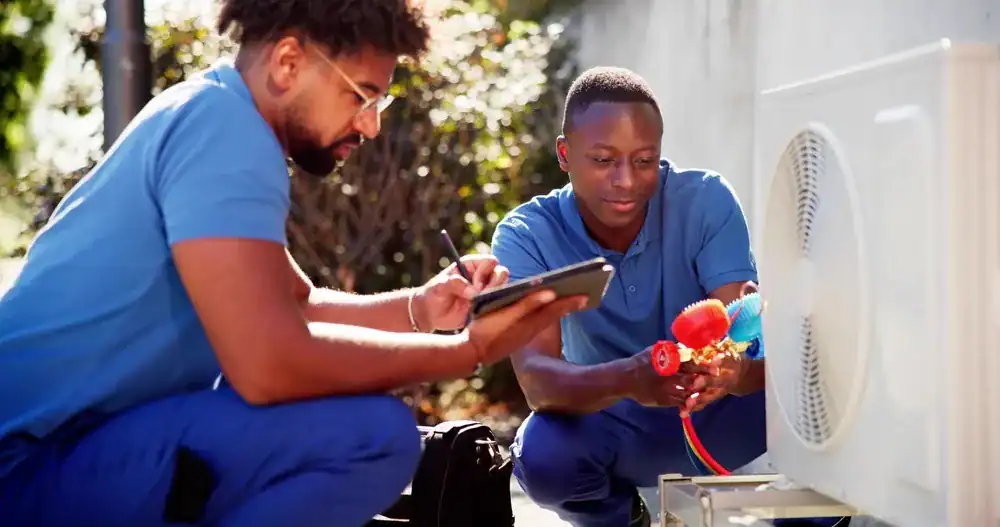
You call or message us with the problem. We ask a few questions to understand what’s going on and schedule a time that works for you—not just whenever we feel like showing up.
Our technician arrives on time, looks at your system, and figures out what’s actually wrong. Then we explain it in plain terms: what failed, why it failed, what it’ll cost to fix, and how long it’ll take. No jargon. No upselling you on stuff you don’t need.
Once you approve the work, we handle it. Clean workspace, quality parts, and the job done right the first time. After we’re finished, we test everything to make sure it’s working properly and walk you through what we did. You get a clear invoice, and we’re available if you have questions later.
That’s it. Straightforward HVAC repair and installation without the games.
Ready to get started?
We handle the full scope of home comfort solutions in Nassau County: AC repair when your system stops cooling, furnace and boiler work when you’re losing heat, and full installations when it’s time to replace aging equipment.
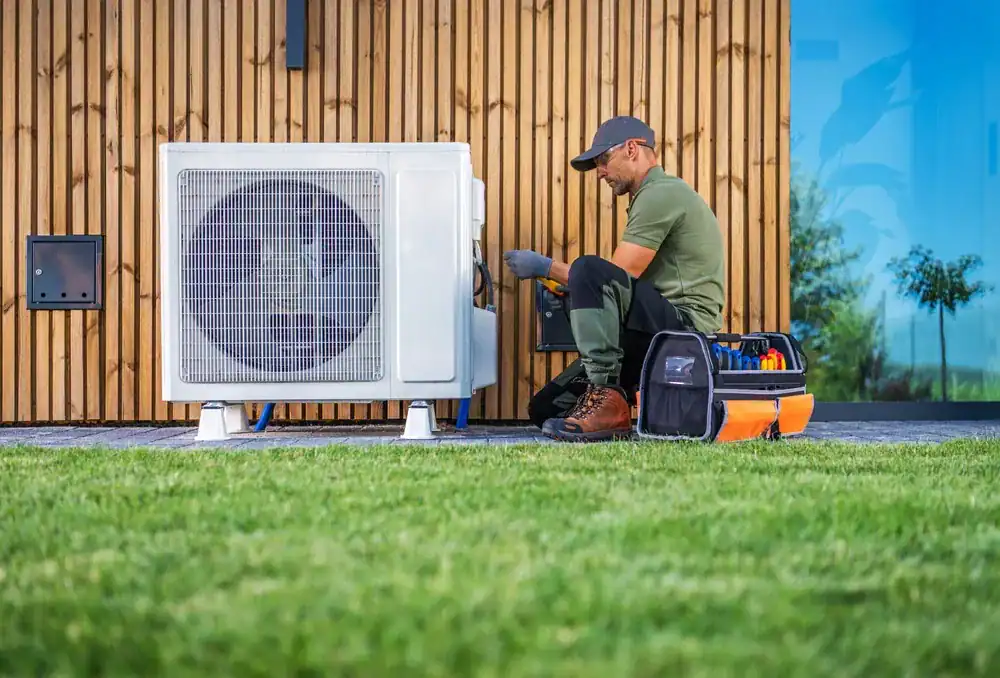
Plainview homes deal with specific challenges. The salt air from being close to the coast accelerates corrosion on outdoor units. Older homes often have undersized ductwork that limits airflow. And with median home values around $600,000 in this area, you’re protecting a real investment when you maintain your HVAC systems properly.
Our maintenance plans keep your equipment running efficiently and catch small problems before they turn into expensive emergency repairs on the hottest or coldest day of the year. We also help you navigate the energy-efficient tax incentives available for new installations—money that offsets the rising equipment costs everyone’s dealing with right now.
You’re not just getting a repair. You’re getting a local HVAC contractor in Nassau County who knows the area, understands the equipment in your home, and will be here next year when you need us again.
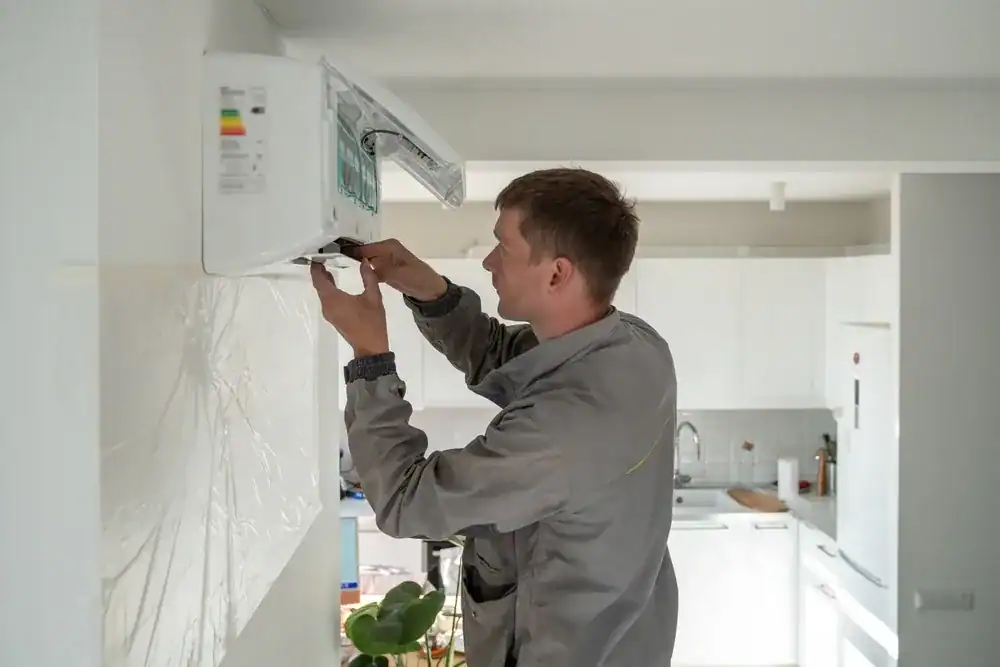
Full central AC installation in Nassau County typically runs between $12,000 and $15,000 for most homes, though that varies based on your home’s size, the equipment you choose, and whether your ductwork needs modifications. Those prices have nearly doubled since 2019 due to supply chain issues and new refrigerant regulations affecting the industry.
Here’s what drives the cost: the outdoor condenser unit, the indoor air handler or coil, refrigerant lines, electrical work, permits, and labor. Larger homes need bigger systems with more cooling capacity, which costs more. If your existing ductwork is damaged or poorly designed, that adds to the project.
Energy-efficient models cost more upfront but qualify for tax incentives and lower your monthly utility bills. We walk you through the options and help you understand what you’re actually paying for, so you can make the call that makes sense for your budget and your home. Financing is available if you’d rather spread the cost out, though interest rates are higher than they were a few years ago.
You should have your air conditioning serviced once a year before cooling season starts, typically in spring. Your heating system should be checked once a year before winter, usually in fall. That’s the baseline that keeps most systems running reliably and prevents breakdowns during the months you’re depending on them most.
Regular maintenance catches refrigerant leaks, dirty coils, failing capacitors, and worn belts before they leave you without cooling or heat. It also keeps your system running efficiently, which matters when you’re looking at summer electric bills in a climate this humid.
Plainview’s proximity to salt air means outdoor units corrode faster than they would further inland. Annual maintenance includes cleaning those coils and checking for corrosion damage that could shorten your system’s life. Most homeowners on maintenance plans also get priority scheduling and discounts on repairs, which pays off when something does go wrong. Systems that get regular attention last longer and cost less to operate than ones that only get looked at when they break.
If your system is under ten years old and the repair costs less than half the price of a new system, repairing usually makes sense. If it’s over fifteen years old, uses R-22 refrigerant that’s been phased out, or needs a major component like a compressor replaced, you’re often better off replacing the whole thing.
Here’s the math: a $1,500 repair on a seven-year-old system buys you several more years of reliable cooling. That same $1,500 repair on a seventeen-year-old system is throwing money at equipment that’s already on borrowed time and will likely need more expensive work soon.
Older systems also run less efficiently, so your monthly electric bills are higher than they’d be with newer equipment. The new refrigerant regulations mean R-22 systems are increasingly expensive to service since that refrigerant is scarce. We’ll tell you honestly when a repair makes sense and when you’re better off replacing. Our job is to give you the information you need to make the right call for your situation, not to sell you the most expensive option.
The most common causes are a dirty air filter restricting airflow, low refrigerant from a leak, a frozen evaporator coil, or a failed capacitor that’s keeping the compressor from running properly. All of those are fixable, but they need different solutions.
A clogged filter is the easiest fix—replace it and see if that solves the problem. If your filter is clean but the air coming from your vents feels weak, you might have ductwork leaks or a blower motor issue. If the air is blowing fine but it’s not cold, you’re likely looking at a refrigerant leak or a compressor problem.
Frozen coils happen when airflow is restricted or refrigerant levels drop too low. You’ll see ice buildup on the copper lines running to your outdoor unit. Don’t just scrape the ice off and call it fixed—that’s a symptom of a bigger problem that’ll come back. The humidity in Plainview makes AC systems work harder, so these issues show up faster here than in drier climates. We diagnose the actual cause and fix it, not just the symptom you’re seeing.
Yes, most HVAC installation and replacement work in Nassau County requires permits from your local building department. That includes new system installations, replacing outdoor condensers or indoor air handlers, and any work that involves refrigerant lines or electrical connections.
Permits exist to make sure the work meets code requirements for safety and efficiency. The inspection process verifies that refrigerant lines are properly sized, electrical connections are safe, condensate drains are installed correctly, and the system is installed according to manufacturer specifications that affect your warranty.
We handle the permit process as part of our installation service. You don’t need to visit the building department or deal with inspectors—that’s on us. Skipping permits might save a few hundred dollars upfront, but it creates problems when you sell your home or file an insurance claim after equipment failure. It can also void your manufacturer’s warranty, leaving you paying out of pocket for repairs that should be covered. Doing it right the first time costs less than fixing it later.
Central air conditioning systems typically last fifteen to twenty years with proper maintenance. Furnaces and boilers often make it twenty to twenty-five years. Heat pumps usually fall somewhere in the middle, around fifteen years, since they work year-round for both heating and cooling.
Those are averages, though. How long your system actually lasts depends on how well it’s maintained, how hard it works, and the conditions it’s operating in. Systems that get annual maintenance last longer than ones that only get attention when they break. Oversized or undersized equipment wears out faster because it’s cycling on and off too frequently.
Nassau County’s coastal environment is harder on outdoor units than inland locations. Salt air accelerates corrosion on coils and cabinets, which can shorten equipment life if it’s not cleaned regularly. Running your AC hard through humid Long Island summers also puts more wear on components than you’d see in milder climates. If your system is approaching fifteen years old and starting to need frequent repairs, it’s worth having a conversation about replacement before you’re facing an emergency in the middle of summer.
Local Resources
Other Services we provide in Plainview
