

You’re not dealing with temperature swings between rooms anymore. Your system runs quietly in the background, doing its job without demanding attention every few weeks.
Your energy bills drop because the equipment actually works the way it’s supposed to. No more cranking the thermostat to compensate for a struggling system that can’t keep up with Muttontown’s summer heat or winter cold.
When you need service, you get a certified technician who diagnoses the real problem instead of guessing. We explain what’s wrong in plain terms, tell you what it costs upfront, and finish the job without surprise fees showing up later. That’s what working with an experienced HVAC company in Muttontown, NY should feel like.
Cool Bros has been handling heating and cooling work across Nassau County since 2016. We’re based in Lynbrook, which means we know exactly what Muttontown homes deal with when temperatures hit 82°F in July or drop below 16°F in January.
Our technicians are certified, our work is insured, and we hold an A+ rating with the Better Business Bureau. That rating exists because we show up when we say we will, we fix what needs fixing, and we don’t try to sell you equipment you don’t need.
Muttontown properties range from historic homes to newer construction, and each one has different HVAC requirements. We’ve worked on both, along with commercial spaces that need reliable climate control for business operations.

You contact us with a heating or cooling issue, and we schedule a visit that actually fits your day. No four-hour windows where you’re stuck waiting around.
A certified technician shows up and runs a full diagnostic on your system. They’re looking at airflow, refrigerant levels, electrical connections, and anything else that affects performance. Once they know what’s wrong, they explain it in terms that make sense and give you a clear price before any work starts.
If it’s a repair, we handle it on the spot when possible. If you need a replacement, we walk through your options based on your home’s size, your budget, and what will actually keep you comfortable in Muttontown’s climate. Installation gets scheduled fast, and the job gets done without dragging on for days.
After the work is finished, you get warranty coverage on both parts and labor. If something isn’t right, you call us back and we make it right.
Ready to get started?
We handle central AC installation when your current system can’t keep up anymore or when you’re adding cooling to a home that never had it. That includes load calculations to size the equipment correctly, ductwork modifications if needed, and smart thermostat integration if you want better control over your energy use.
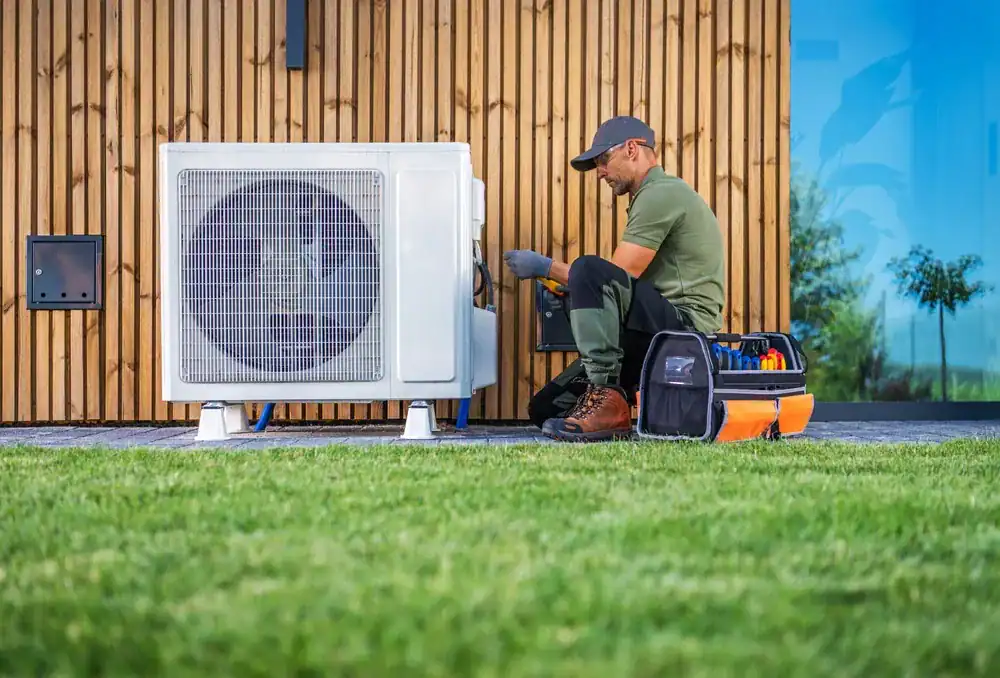
Air conditioning repair covers everything from refrigerant leaks to compressor failures to electrical issues that keep your system from running. We service all major brands and can usually get parts same-day for common repairs.
HVAC maintenance means spring tune-ups for your cooling system and fall check-ups for your heating equipment. Muttontown’s temperature extremes make preventive service worth it—you catch small problems before they turn into expensive failures during the worst possible weather. Regular maintenance also keeps your energy bills lower because clean, adjusted systems don’t work as hard.
We also install and service heat pumps, mini-splits, and boilers for homes that need alternatives to traditional forced-air systems. Indoor air quality solutions like advanced filtration get added to existing systems when allergies or pollutants are an issue.
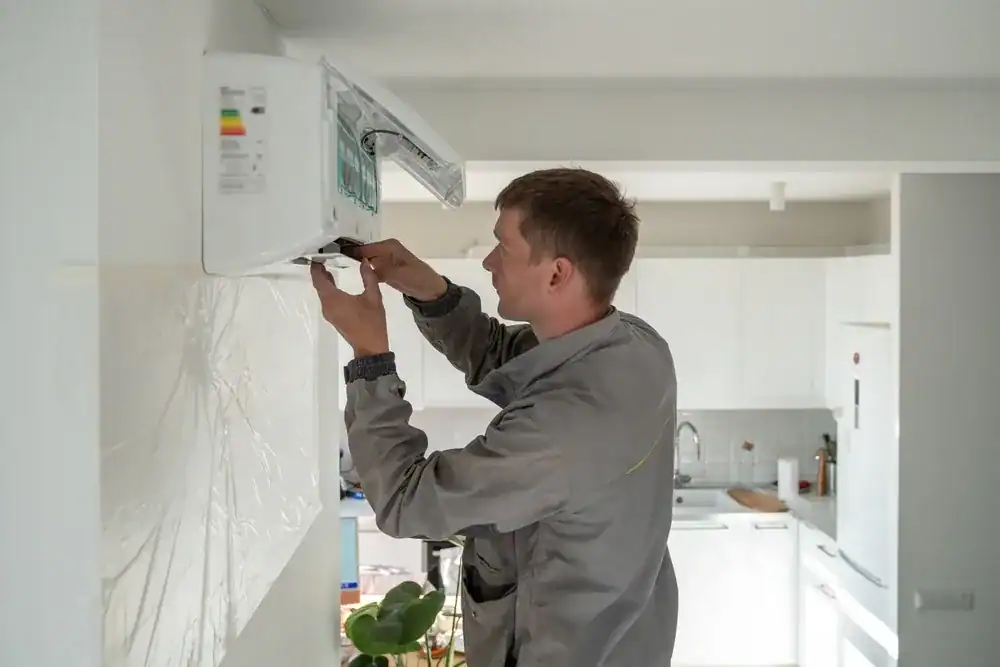
You want your cooling system serviced each spring before temperatures climb, and your heating system checked each fall before cold weather hits. That’s the standard recommendation, and it makes sense for Muttontown’s climate where both systems get heavy use.
Spring maintenance catches problems before your AC has to run all summer. The technician cleans coils, checks refrigerant, tests electrical connections, and makes sure airflow is where it should be. Fall maintenance does the same for your furnace or boiler—cleaning burners, testing safety controls, checking for carbon monoxide leaks.
Skipping maintenance doesn’t seem like a big deal until your system quits on the hottest day of the year. Regular service costs around $150 to $200 per visit, while emergency repairs average $350 and can run much higher if a major component fails. The math works in your favor when you stay ahead of problems.
A complete central AC installation typically runs between $5,000 and $10,000 for most Muttontown homes, but that range shifts based on your home’s size, the equipment efficiency you choose, and whether your ductwork needs updates.
A 2,000 square foot home with existing ductwork in good shape might land on the lower end with a standard efficiency system. A larger home needing duct modifications or a high-efficiency system with a SEER rating above 16 pushes costs higher. Equipment prices have increased roughly 40% since 2020, so older quotes you might have seen don’t reflect current market rates.
You’re also looking at potential rebates and tax credits for energy-efficient systems. Federal tax credits cover up to 30% of installation costs for qualifying equipment, and New York offers additional state incentives. We walk through those options during estimates so you know what your actual out-of-pocket cost will be after incentives.
Central air conditioning systems typically last 15 to 20 years with proper maintenance. Furnaces run 15 to 25 years depending on the fuel type and how hard they work. Heat pumps usually hit 10 to 15 years because they handle both heating and cooling year-round.
Those numbers assume you’re keeping up with annual maintenance and addressing small repairs before they damage other components. A system that never gets serviced might quit years earlier because dirty coils make the compressor work harder, or a failing blower motor puts stress on electrical components.
Muttontown’s temperature swings mean your equipment runs more than it would in milder climates, which affects lifespan. If your system is approaching 15 years old and needs a major repair—like a compressor or heat exchanger replacement—you’re usually better off replacing the whole system rather than sinking money into equipment that’s near the end anyway.
System size gets determined by a load calculation that factors in your home’s square footage, insulation levels, window count and placement, ceiling height, and how many people live there. A proper calculation is the only way to size equipment correctly—rules of thumb like “one ton per 500 square feet” don’t account for your home’s specific characteristics.
An oversized system cycles on and off too frequently, which wastes energy and doesn’t remove humidity properly. Your home feels clammy even when the temperature is right. An undersized system runs constantly trying to keep up and never quite gets there on the hottest or coldest days.
We run a Manual J load calculation before recommending equipment size. That’s the industry standard calculation that HVAC manufacturers require for warranty coverage. It takes about 30 minutes to measure and calculate, and it ensures you’re not paying for more capacity than you need or struggling with a system that can’t handle Muttontown’s weather extremes.
If your system is under 10 years old and the repair costs less than half the price of replacement, repair usually makes sense. If it’s over 15 years old and the repair is expensive—like a compressor or coil replacement—replacement is typically the better investment.
There’s a useful calculation: multiply your system’s age by the repair cost. If that number exceeds $5,000, replacement is usually smarter financially. A 12-year-old system needing a $600 repair gives you 7,200, which suggests replacement. A 6-year-old system needing the same repair gives you 3,600, which suggests repair.
You also need to consider efficiency. If your current system has a SEER rating below 14 and your energy bills are high, a new high-efficiency system might pay for itself in energy savings over its lifespan. Modern systems with SEER ratings of 16 or higher can cut cooling costs by 30% or more compared to older equipment, and they qualify for federal tax credits that reduce upfront costs.
Yes, we handle emergency calls when your heating or cooling system fails and you can’t wait for a regular appointment. That includes situations like no heat in winter, no AC during a heat wave, or system problems that create safety concerns like gas smells or electrical issues.
Emergency service costs more than scheduled work because it requires technicians to be available outside normal hours and to prioritize your call over other scheduled jobs. The premium is worth it when your home is 85°F inside during July or when temperatures drop into the teens and your heat isn’t working.
We keep common parts in stock so most emergency repairs get finished the same day rather than requiring a follow-up visit once parts arrive. If your system needs a component we don’t have on the truck, we’ll do what we can to make your home livable temporarily—like getting your system running in limited capacity—while we order what’s needed for a permanent fix.
Local Resources
Other Services we provide in Muttontown
