

You stop worrying about whether your AC will quit on the hottest day of summer. Your energy bills level out instead of spiking every month. Your home stays at the temperature you set it to—no more hot spots in the bedroom or freezing mornings in the kitchen.
That’s what happens when your HVAC system is sized correctly, installed properly, and maintained by people who know what they’re doing. Not just during the install, but months and years down the line when most companies have moved on to the next job.
Garden City South homeowners deal with humid summers that hit 82°F and winters that test every furnace. Your system needs to handle both without burning through energy or breaking down. When it does, you’re not calling for emergency repairs at 9 PM or wondering why your utility bill just doubled.
We’ve been handling heating and cooling work across Nassau County since 2016. We’re based in Lynbrook, which means we’re close enough to get to you quickly and familiar enough with the area to know what systems hold up here.
Our BBB A+ rating didn’t come from marketing. It came from showing up on time, doing the work right, and being clear about what things cost before we start. We’re certified, licensed, and we’ve seen enough HVAC problems in this county to know the difference between a quick fix and a real solution.
Garden City South is part of a market where home values are climbing and homeowners expect their contractors to know what they’re doing. We do. And we’re not interested in selling you equipment you don’t need or services that won’t make a difference.
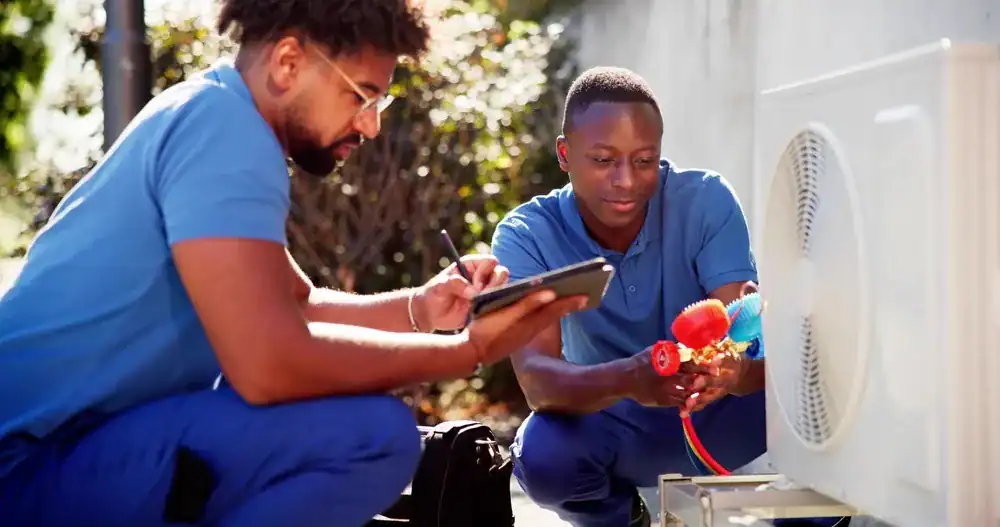
You call or reach out online. We schedule a time that works for you—not just whenever we have an opening. When we show up, we assess what’s going on with your system. If it’s a repair, we tell you what’s broken, what it’ll cost to fix, and how long it’ll take. If it’s an installation, we measure your space, talk through your options, and give you a clear price.
Once you approve the work, we get it done. Our techs are certified and they’ve handled enough central AC installations, heat pump setups, and furnace repairs to move efficiently without cutting corners. We test everything before we leave, walk you through what we did, and make sure you know how to use your system properly.
After the job, you’re not on your own. We follow up to make sure everything’s running the way it should. If something’s off, we come back. That’s how HVAC maintenance and service should work—no runaround, no surprises.
Ready to get started?
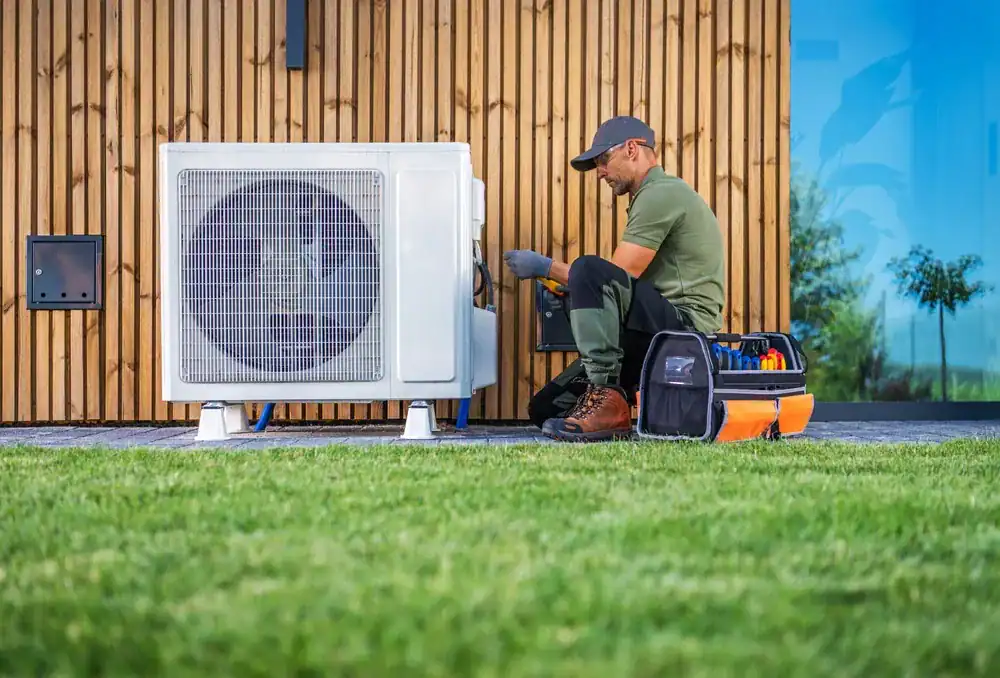
We handle residential and commercial HVAC work. That includes central AC installation, air conditioning repair, heat pump service, mini-splits, boilers, and full system replacements. If it heats or cools your building, we work on it.
Nassau County is seeing a push toward energy-efficient HVAC systems, especially with New York’s updated building codes taking effect in 2025. More homeowners are asking about heat pumps and electric HVAC options that lower energy costs and meet new standards. We install those systems and we make sure they’re sized right for your space—because an oversized or undersized unit will cost you more in the long run.
Garden City South homes vary in age and layout. Older homes might need ductwork upgrades or zoning solutions to get even temperatures. Newer builds often want smart thermostats and high-efficiency equipment. We adjust our approach based on what your home actually needs, not what’s easiest to install.
You also get transparent pricing. We tell you what the job costs before we start, and that number doesn’t change unless the scope of work changes. No hidden fees. No surprise charges when we’re done.
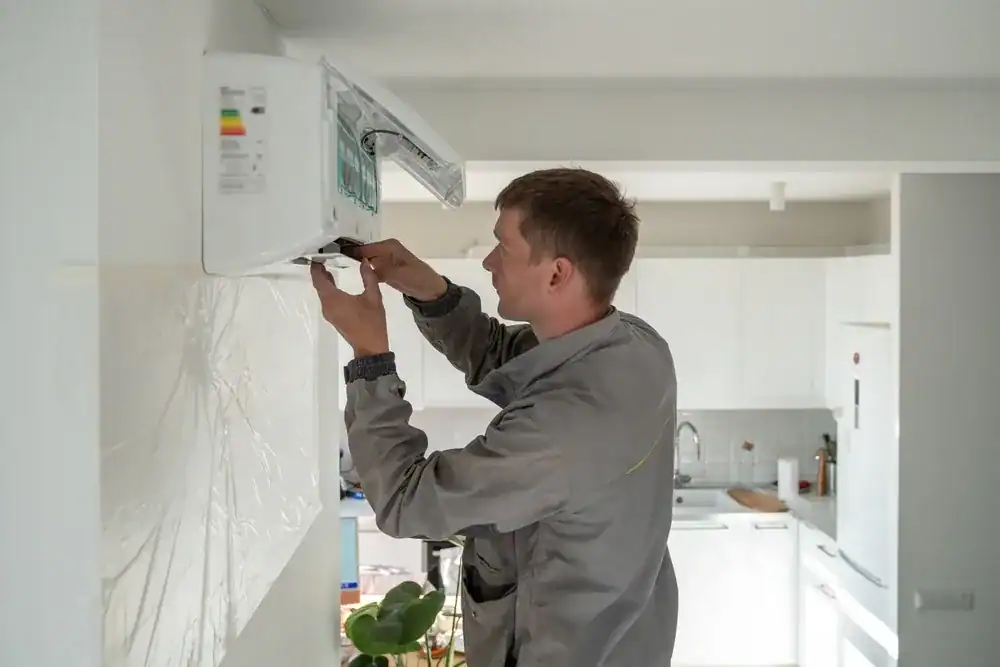
If your system is blowing warm air, cycling on and off constantly, or driving up your energy bills, something’s wrong. The question is whether it’s worth fixing or replacing.
Here’s the general rule: if your system is under 10 years old and the repair cost is less than half the price of a new unit, repair it. If it’s over 15 years old, uses R-22 refrigerant (which is being phased out), or needs a major component like a compressor replaced, replacement usually makes more sense. We’ll assess your system, tell you what’s failing, and give you both options with honest pricing so you can decide.
Age matters, but so does efficiency. Older systems use more energy, which means higher monthly bills. A new energy-efficient HVAC system might cost more upfront, but it can cut your cooling costs significantly over time—especially in Nassau County where summer temperatures regularly hit the low 80s.
First, we measure your home to figure out the right system size. Too small and it won’t cool your space. Too large and it’ll cycle too often, waste energy, and wear out faster. Proper sizing is based on square footage, insulation, windows, and ceiling height—not guesswork.
Once we know what size you need, we go over your options: SEER ratings, brands, whether a single-stage or variable-speed system makes sense for your home. We give you a clear price that includes the equipment, labor, permits, and any ductwork modifications.
Installation day, we remove your old system, install the new one, connect it to your existing ductwork (or upgrade ducts if needed), run refrigerant lines, wire the thermostat, and test everything. We make sure airflow is balanced and the system is hitting the temperatures it should. Then we walk you through how to use it and what kind of maintenance it needs going forward. The whole process usually takes one to two days depending on the complexity.
Twice a year. Once before summer and once before winter. That’s when we check your system, clean components, and catch small problems before they turn into expensive repairs.
During a maintenance visit, we inspect your air filters, check refrigerant levels, clean condenser coils, test electrical connections, and make sure your thermostat is calibrated. For furnaces, we check the heat exchanger, burners, and venting. These aren’t just checklist items—they directly affect how efficiently your system runs and how long it lasts.
Regular HVAC maintenance can extend your system’s lifespan by several years and keep your energy bills from creeping up. It also reduces the chance of a breakdown during extreme weather, which is when you need your system most. Most manufacturers require regular maintenance to keep warranties valid, so skipping it can cost you coverage if something major fails.
Check how long they’ve been in business locally. A company that’s been around for years has a track record you can verify. Look for licensing, certifications, and a solid BBB rating—those aren’t just badges, they show the company meets industry standards and handles complaints professionally.
Ask about pricing upfront. If a contractor won’t give you a clear estimate before starting work, that’s a red flag. You should know what the job costs, what’s included, and what isn’t. Transparent pricing means no surprises when the bill comes.
Also, ask what happens after the install. Do they offer maintenance plans? Will they come back if something isn’t working right? A good HVAC contractor doesn’t disappear after the check clears. They stand behind their work and they’re available when you need them—not just when it’s convenient for them.
Yes, especially with energy costs and New York’s building codes both pushing toward higher efficiency. A high-SEER air conditioning system or a heat pump uses less electricity to do the same job, which lowers your monthly utility bills.
The upfront cost is higher, but the payback comes over time. If you’re planning to stay in your home for more than a few years, the savings add up. Plus, energy-efficient systems often qualify for rebates or tax credits, which can offset some of the initial investment.
Garden City South is part of a market where buyers are prioritizing energy-efficient homes. If you ever sell, having a modern, efficient HVAC system is a selling point. It signals that the home is updated and that the next owner won’t be dealing with outdated equipment or high energy bills. Beyond resale value, you just get a more comfortable home that costs less to run—and that’s worth something right now, not just down the road.
Strange noises are a big one—grinding, squealing, or banging sounds mean something’s loose, worn out, or failing. Weak airflow usually points to a blower issue or ductwork problem. If some rooms are too hot or too cold, your system isn’t distributing air properly, which could be a zoning issue or a sign the unit is undersized.
Frequent cycling—where the system turns on and off constantly—means it’s struggling to maintain temperature. That’s often a thermostat problem, a refrigerant leak, or an oversized system. Rising energy bills without a change in usage are another warning sign. When your system has to work harder to do the same job, it’s losing efficiency, and that usually means a component is wearing out.
If your system is over 10 years old and you’re seeing multiple issues, it’s probably time to start planning for a replacement. Waiting until it dies completely means you’re stuck making a rushed decision, often during the worst possible weather. Getting ahead of it gives you time to research options, compare prices, and schedule the install when it’s convenient—not in the middle of a heatwave.
Local Resources
Other Services we provide in Garden City South
