
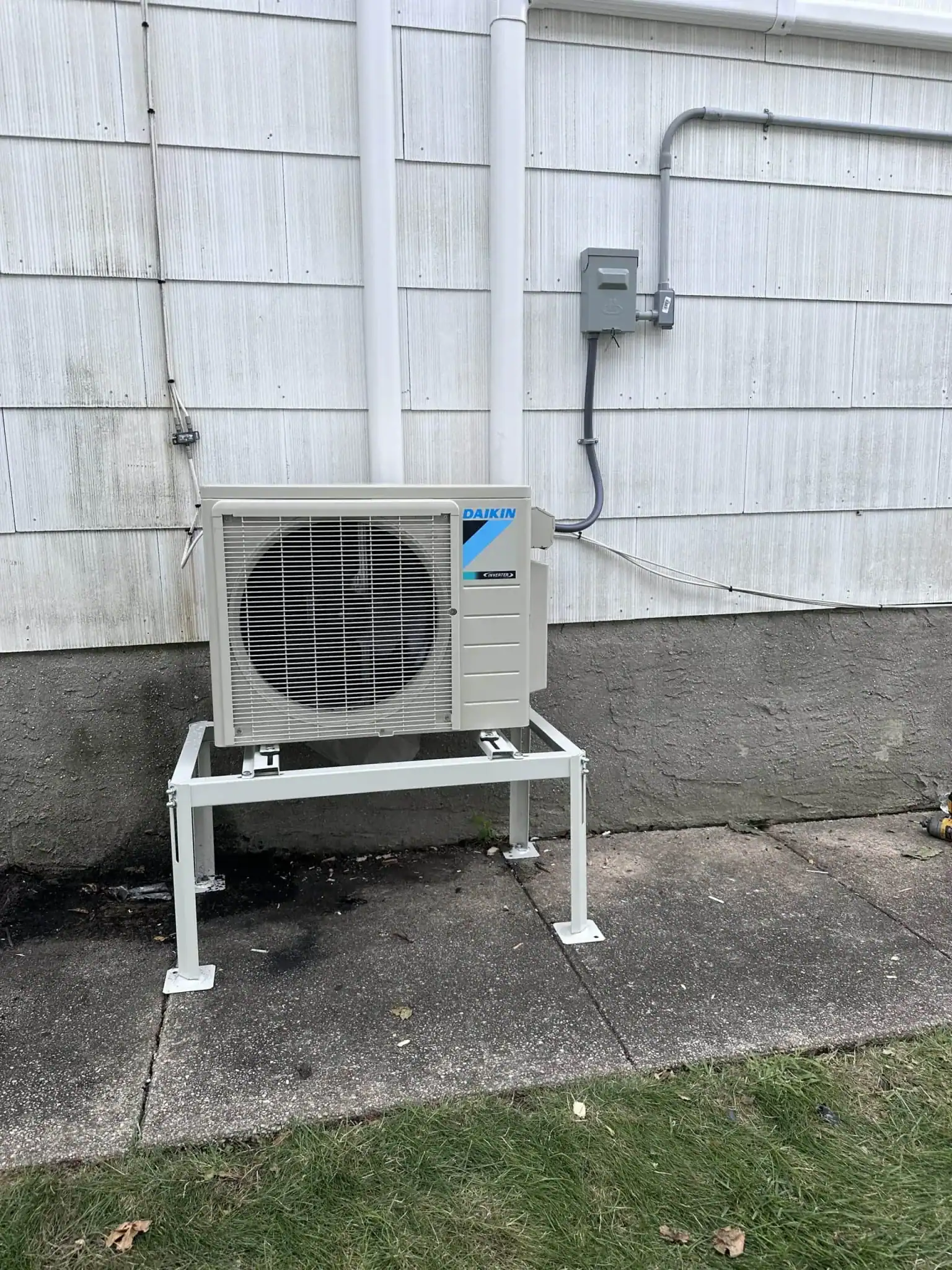
When your central air goes out in Great Neck, you’re not just uncomfortable. You’re dealing with a home that’s unsafe for kids, elderly family members, or anyone trying to sleep through July heat.
Our technicians show up fast, diagnose the real problem, and fix it right. No guessing. No return visits for the same issue. You get your cooling back, your routine back, and your peace of mind back.
Most repairs happen same-day. We carry the parts that fail most often in Nassau County homes—compressors, capacitors, contactors, refrigerant lines. If your system can be fixed, we fix it. If it can’t, we tell you straight and explain what replacement actually costs and why.
We’ve been handling central AC repair in Great Neck, NY and across Nassau County since 2016. We’re BBB accredited with an A+ rating because we show up on time, explain what’s wrong in plain language, and charge what we quote.
Great Neck homes were built to last, but many still run HVAC systems from the 1990s or early 2000s. Those systems break down more often as they age, especially during peak summer demand. We’ve seen every failure point in every major brand, and we know how to fix them without overselling you on a replacement you don’t need yet.
Our technicians are licensed, insured, and trained on both older systems and the newer energy-efficient models Nassau County homeowners are switching to. You’re not getting a sales pitch. You’re getting someone who knows how to make your AC work again.
You call or message us with the problem. We ask a few questions to understand what’s happening—no cooling, weak airflow, strange noises, ice on the lines, whatever you’re seeing.
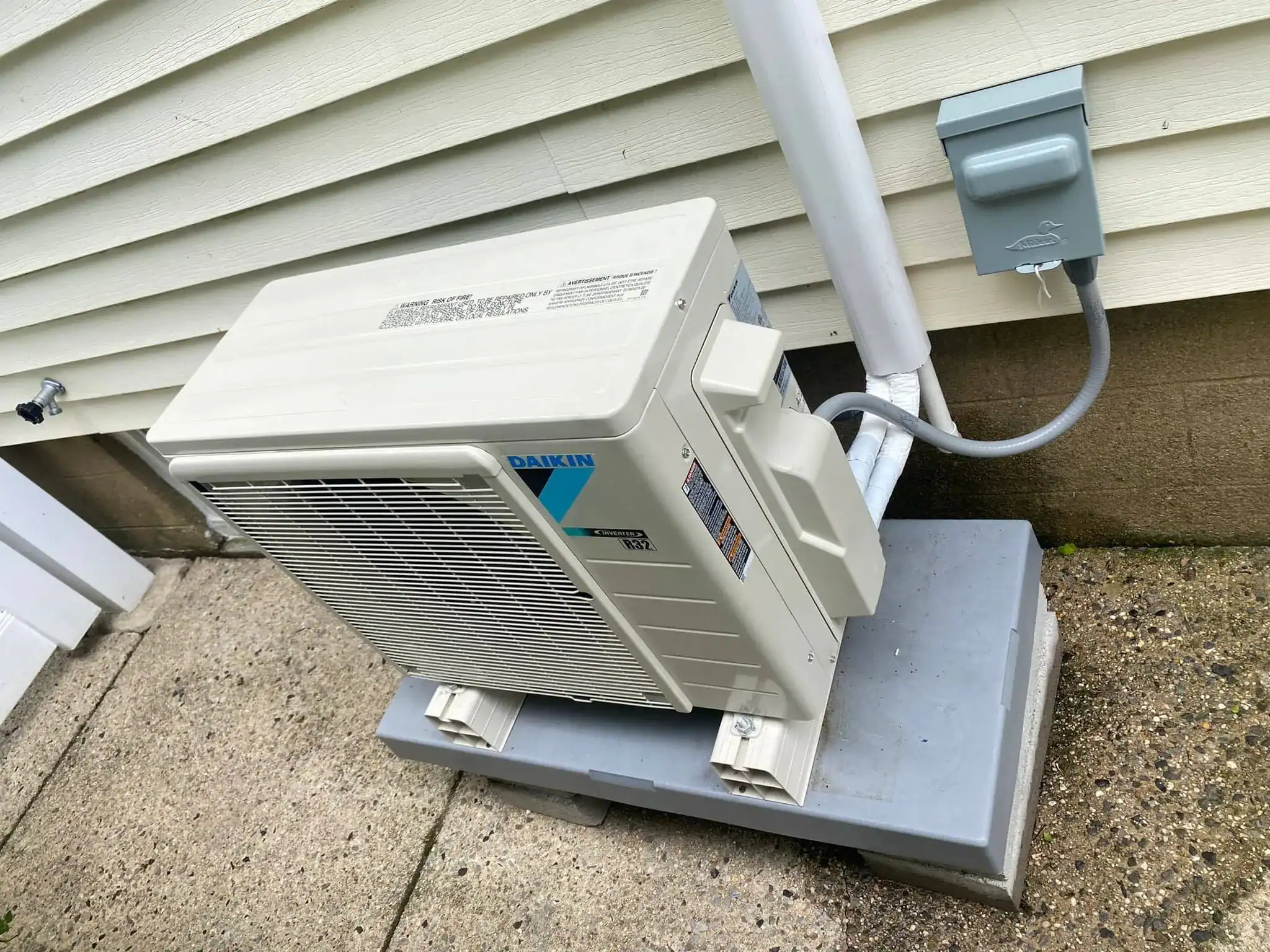
We schedule a visit, usually same-day if you call before noon. Our technician arrives with diagnostic tools and the most common replacement parts already in the truck. They check your thermostat settings, inspect your outdoor condenser unit, test electrical components, measure refrigerant levels, and look at airflow through your system.
Once they find the issue, they explain it to you. Not in technical jargon—in terms that make sense. They tell you what it costs to fix, how long it takes, and what happens if you don’t fix it. Then they handle the repair on the spot if you approve.
After the fix, they test the system to make sure it’s cooling properly and efficiently. You get a clear invoice and a straight answer if we think you’ll need more work down the road.
Ready to get started?
We handle the full range of central air conditioning failures. Compressor issues are common in older units, especially when they’ve been running hard through multiple summers. If your compressor is shot, we’ll tell you whether it’s worth replacing or if the whole outdoor unit needs to go.
Refrigerant leaks are another frequent problem, particularly in systems with copper line sets that have corroded over time. We locate the leak, repair it, and recharge your system with the correct refrigerant type. Low refrigerant doesn’t just mean weak cooling—it can damage your compressor if it runs too long.
Electrical failures—capacitors, contactors, relays—stop your system from starting or cause it to short-cycle. We carry these parts and replace them fast. Blower motor problems, clogged condensate drains, frozen evaporator coils, and faulty thermostats all get handled the same day in most cases.
Great Neck’s housing stock includes a lot of larger homes with zoned HVAC systems. We work on those too, including the dampers and zone controls that regulate airflow to different parts of your house.
If your system is under 12 years old and the repair costs less than half of a new system, fixing it usually makes sense. After 15 years, you’re looking at a unit that’s near the end of its lifespan, and major repairs—like a compressor replacement—often cost close to what a new energy-efficient system would run you.
We’ll give you both options with real numbers. If your AC is 18 years old and needs a $1,800 compressor, we’ll also quote you on a new system so you can compare. Most Great Neck homeowners replace around year 15 to 18, especially if they’re dealing with rising energy bills or frequent breakdowns.
Age isn’t the only factor. If your system uses R-22 refrigerant, which is now phased out and expensive, a leak might push you toward replacement even if the unit is only 10 years old. Newer systems run on R-410A and cost less to maintain.
Warm air from your vents usually means one of three things: low refrigerant, a bad compressor, or a frozen evaporator coil. Low refrigerant happens when there’s a leak somewhere in your line set. The system can’t absorb heat from your home without enough refrigerant, so it just blows air that isn’t cold.
A failing compressor won’t pressurize the refrigerant properly, which means no cooling happens even though the system is running. You might hear the outdoor unit struggling or making noise, but no cold air comes through.
Frozen coils are often caused by restricted airflow—dirty filters, blocked return vents, or a failing blower motor. Ice builds up on the indoor coil, and your system can’t cool your home. Sometimes the fix is as simple as changing a filter. Other times it’s a bigger airflow or refrigerant issue.
If you call before noon on a weekday, we can usually get someone to your Great Neck home the same day. During peak summer months—July and August—our schedule fills up faster, but we prioritize emergency calls where there’s no cooling at all.
Same-day service depends on where our technicians are and how many calls we’re handling that day. We’ll tell you honestly when we can arrive, and we don’t make you wait around for a four-hour window. You get a call when the technician is on the way.
If same-day isn’t possible, we’ll get you on the schedule for the next morning. We know how miserable it is to sleep in a hot house, especially in Nassau County’s summer humidity. Our goal is to get your AC running again as quickly as possible without rushing through the diagnosis and doing sloppy work.
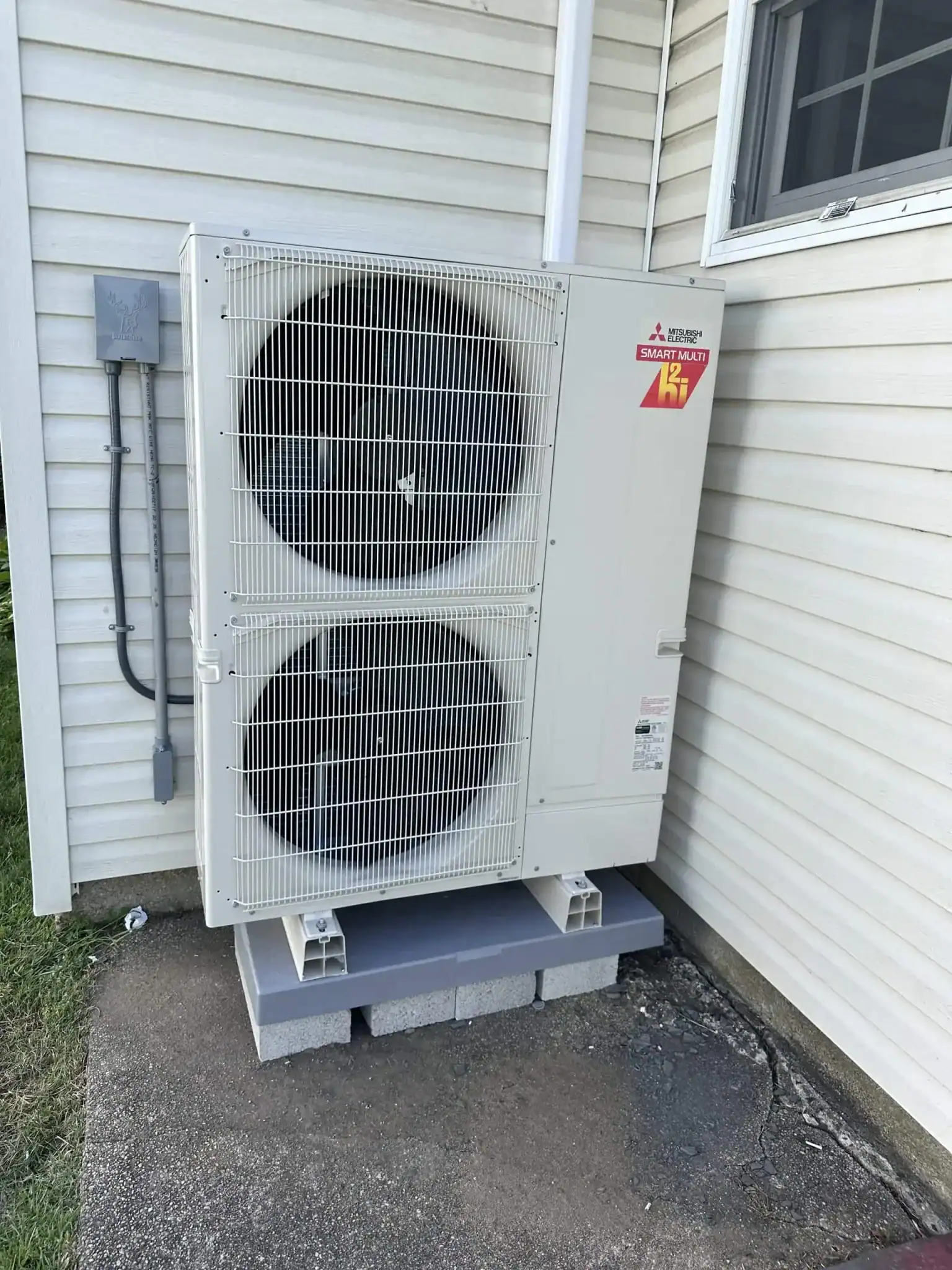
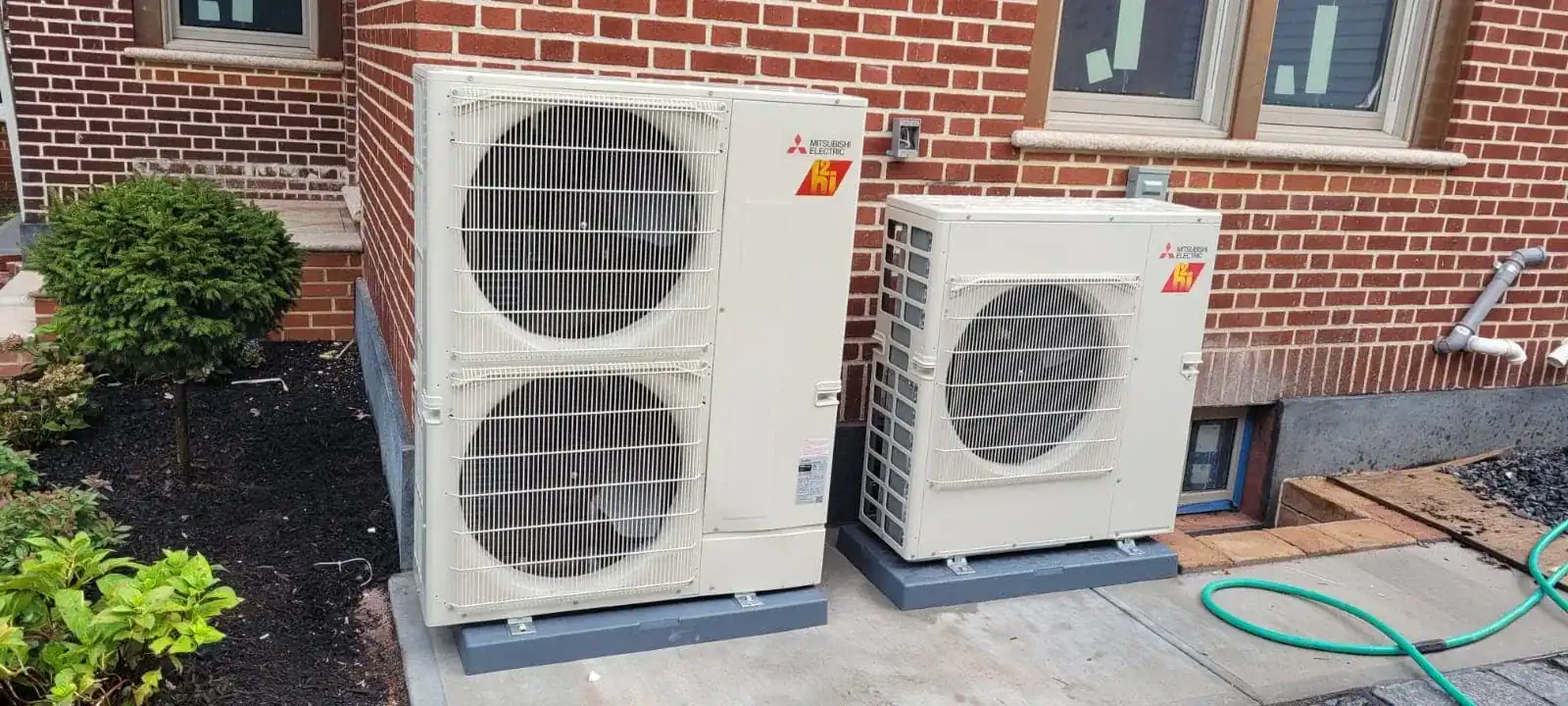
Yes. We work on every major brand—Carrier, Trane, Lennox, Rheem, Goodman, American Standard, Bryant, York, and others. We also handle newer mini-split systems and heat pumps, which more Great Neck homeowners are installing as they upgrade to energy-efficient equipment.
Each brand has its quirks, but the core components—compressors, coils, blowers, capacitors—work the same way across manufacturers. Our technicians have seen enough systems over the past eight years to diagnose and fix problems quickly, regardless of what name is on the unit.
If you have an older or uncommon brand, we can usually still get parts within a day or two. For the most common brands in Nassau County, we keep parts in stock so repairs happen faster.
Simple fixes—a bad capacitor, a tripped breaker, a clogged drain line—usually run $150 to $400. Mid-range repairs like a blower motor replacement, a refrigerant recharge after a small leak repair, or a contactor and relay swap typically cost $400 to $900.
Major repairs—compressor replacement, evaporator coil replacement, or a full refrigerant line set replacement—can run $1,200 to $2,500 depending on your system size and the parts involved. If you’re looking at a repair over $1,500 on a system that’s 12+ years old, we’ll also give you a replacement quote so you can make an informed decision.
We don’t charge a trip fee if you move forward with the repair. You pay for the diagnostic visit, and if you approve the work, that fee gets applied to the total cost. No surprises, no hidden charges. You’ll know what it costs before we start.
Yes. Refrigerant leaks are one of the most common AC problems we handle in Great Neck. A leak can happen anywhere in your system—outdoor coil, indoor coil, line set connections, or the copper piping that runs between your indoor and outdoor units.
We use leak detection tools to find the exact spot, then repair it. After the repair, we pull a vacuum on the system to remove any air or moisture, then recharge it with the correct type and amount of refrigerant. Just adding refrigerant without fixing the leak is a waste of money—it’ll leak out again in a few weeks or months.
If your system uses R-22 refrigerant and the leak is significant, we’ll talk to you about whether it makes sense to keep repairing it or switch to a newer system that uses R-410A. R-22 is expensive and hard to source now that it’s phased out, so a major leak might be the right time to upgrade.
Local Resources
Other Services we provide in Great Neck
