You’ve been quoted $15,000 by one contractor and $25,000 by another for what seems like the same job. Both say they’ll install a new HVAC system. Both promise quality work. So why the $10,000 difference?
The truth is, not all HVAC installations are created equal. The gap between those quotes often reflects real differences in equipment quality, installation practices, system sizing, and long-term performance. Understanding what drives those costs helps you avoid overpaying for features you don’t need—or underpaying for a system that’ll cost you more in the long run.
Let’s break down what you’re actually getting at different price points and what matters most for your Nassau County home.
What Actually Drives HVAC Installation Costs
HVAC installation costs aren’t pulled out of thin air. Several factors determine whether you’ll pay closer to $15,000 or $25,000, and understanding them helps you evaluate quotes more accurately.
Equipment quality makes up a significant portion of the cost. A basic 14 SEER2 system costs less upfront than a high-efficiency 20+ SEER2 variable-speed system, but the cheaper unit will cost you more every month in energy bills. System size matters too—not in terms of bigger being better, but in terms of proper sizing for your specific home. An oversized system wastes energy and money. An undersized one runs constantly and can’t keep up.
Labor and installation complexity also play a major role. In Nassau County, labor rates run higher than national averages due to the cost of living and union labor markets. The complexity of your installation—whether you need ductwork modifications, electrical upgrades, or permits—adds to the total. A straightforward replacement on existing infrastructure costs less than a complete system overhaul with new ductwork.
Equipment Quality and Efficiency Ratings
The equipment itself is often the biggest line item on your quote. A basic single-stage air conditioner with a 14-16 SEER2 rating might cost $3,000-$5,000 for the unit alone. A premium variable-speed system with a 20-22 SEER2 rating can run $8,000-$12,000 or more.
Here’s what that difference means for you. Single-stage systems run at full blast every time they turn on—either 100% or off. They cool your home, but they’re not subtle about it. Two-stage systems offer a bit more flexibility, running at a lower capacity most of the time and ramping up only when needed. Variable-speed systems adjust continuously, matching output to demand and providing the most consistent comfort and efficiency.
Higher SEER2 ratings translate directly to lower energy bills. A 14 SEER2 system might cost $200-$250 per month to run during Nassau County summers. A 20 SEER2 system could cut that to $120-$150. Over a year, that’s $800-$1,200 in savings. Over the 15-20 year lifespan of the system, the difference adds up to $12,000-$24,000.
The upfront premium for high-efficiency equipment typically pays for itself within 5-8 years through energy savings. After that, you’re pocketing the difference every month. That’s why contractors who recommend the cheapest option aren’t always doing you a favor.
Brand matters too, but not in the way most people think. Premium brands like American Standard, Amana, and Mitsubishi Electric often come with better warranties, more reliable components, and dealer support networks. But the quality of installation matters more than the name on the box. A mid-tier system installed correctly will outperform a premium system installed poorly.
Labor Costs and Installation Complexity
Labor typically accounts for 30-50% of your total HVAC installation cost. In Nassau County, that means $1,500-$3,000 or more depending on the complexity of the job. Higher labor costs here aren’t about contractors gouging you—they reflect the reality of operating in the New York metro area with skilled, licensed, insured technicians.
A straightforward system replacement on existing ductwork might take 1-2 days. The crew removes your old equipment, installs the new system, connects it to existing infrastructure, tests everything, and cleans up. That’s the baseline scenario that keeps labor costs on the lower end.
Installation complexity drives costs up quickly. If your ductwork needs modifications or replacement, add $2,000-$4,000 to the quote. If your electrical panel needs upgrading to handle the new system’s requirements, that’s another $1,000-$2,500. If you’re in an older home with tight attic access or need to relocate equipment, labor costs climb.
Permits and inspections add to the total too. Nassau County requires permits for HVAC installations, typically $100-$250 for replacements and $250-$1,500 for new installations with ductwork. Reputable contractors include these costs in their quotes. If a quote seems suspiciously low, check whether it includes permits—you’ll be on the hook for them either way.
The quality of the installation crew matters more than most homeowners realize. Experienced, EPA-certified technicians who follow manufacturer specifications and building codes ensure your system performs as designed. Shortcuts during installation—improper refrigerant charge, inadequate airflow, poor duct sealing, incorrect electrical connections—can reduce system efficiency by 20% or more and shorten equipment lifespan significantly.
HVAC System Replacement Cost: Breaking Down the $15K-$25K Range
So what does $15,000 get you versus $25,000? The difference isn’t just about paying more for the same thing—it’s about what’s included in the installation and what you’re getting for your money.
A $15,000 installation typically includes a mid-efficiency system (16-18 SEER2), standard single or two-stage equipment, installation on existing ductwork in good condition, basic thermostat, standard warranties, and straightforward labor. This is a solid baseline installation that’ll keep your home comfortable and perform better than an older system.
A $25,000 installation usually includes high-efficiency equipment (20+ SEER2), variable-speed technology, ductwork modifications or upgrades, smart thermostat with zoning capabilities, extended warranties, indoor air quality enhancements, and more complex installation requirements. You’re paying for better long-term performance, lower operating costs, and enhanced comfort features.
Air Conditioner Installation Cost Components
When you’re looking at air conditioner installation costs specifically, several components make up the total. Understanding each piece helps you evaluate whether a quote is reasonable or if something’s missing.
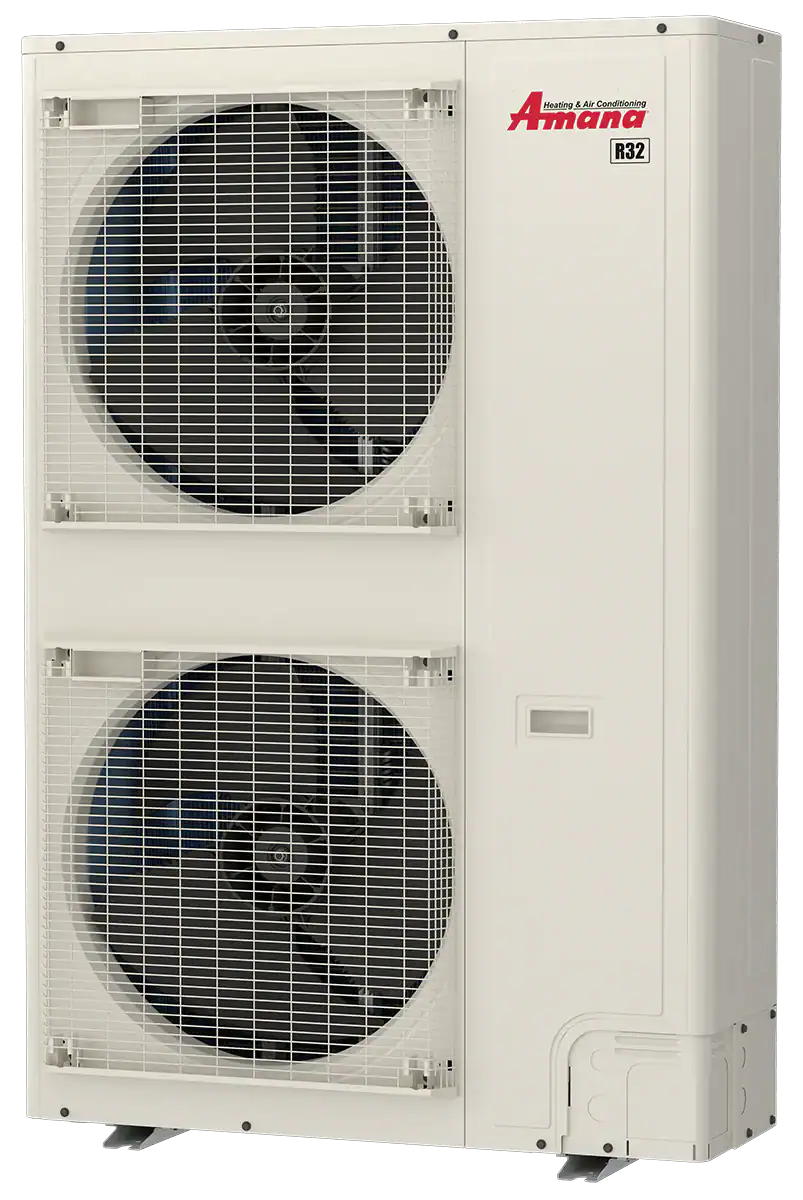
The outdoor condenser unit is the most visible component. This is the big box that sits outside your home and does the heavy lifting of heat exchange. Condenser units range from $2,000 for basic models to $8,000+ for premium high-efficiency units. Tonnage matters here—a 2-ton unit costs less than a 5-ton unit, but bigger isn’t always better. Proper sizing based on your home’s actual cooling load is what matters.
The indoor air handler or evaporator coil works with the outdoor unit to circulate cooled air through your home. This component typically adds $1,000-$3,000 to the total depending on efficiency and features. Variable-speed air handlers cost more but provide better humidity control and more consistent temperatures throughout your home.
Refrigerant lines connect the outdoor and indoor units. If your existing lines are in good shape and properly sized, you might reuse them. If they need replacement or you’re upgrading to a larger system, new line sets can add $500-$1,500 depending on the length and complexity of the run.
The thermostat controls your system. A basic programmable thermostat might be included at no extra charge. A smart thermostat with Wi-Fi connectivity, learning capabilities, and remote control adds $200-$500. Zoning systems that allow different temperatures in different areas of your home can add $2,000-$5,000 but make sense for larger homes or homes with varying sun exposure.
Don’t forget the supporting components. Condensate drains, electrical disconnects, mounting pads, refrigerant, and other materials add up. Reputable contractors include these in their quotes. If a quote seems too good to be true, it might not include everything you need for a complete, code-compliant installation.
AC Installation Cost: What Affects Your Final Number
Your specific AC installation cost depends on factors unique to your home and situation. Two identical houses on the same street might have different installation costs based on these variables.
Home size and layout determine the system size you need. A proper Manual J load calculation accounts for square footage, insulation levels, window count and orientation, ceiling height, and local climate. This calculation ensures you get a system sized correctly for your home—not one based on rules of thumb or guesswork. Proper sizing alone can save you thousands over the system’s lifespan by preventing short-cycling and excessive energy use.
Existing infrastructure condition matters significantly. If your ductwork is in good shape, properly sized, and well-sealed, you’re ahead of the game. If it’s leaking, undersized, or deteriorating, you’ll need modifications or replacement. Duct leaks alone can waste 20-30% of your heated and cooled air. Fixing that problem upfront saves money every month.
Your home’s age and construction type affect installation complexity. Newer homes typically have more accessible attic space and modern electrical systems. Older Nassau County homes—colonial-styles, post-war capes, split-levels—might have tight spaces, outdated wiring, or other challenges that require more labor to navigate safely and properly.
Timing can influence costs too. Installing during shoulder seasons (spring and fall) often means better availability and potentially better pricing than emergency replacements during peak summer or winter demand. Planning ahead when you know your system is nearing the end of its lifespan gives you more control over the process and the cost.
Local code requirements and permit fees vary by municipality within Nassau County. Some areas have stricter requirements than others. Some require specific efficiency minimums. Your contractor should be familiar with local codes and include all necessary permits and inspections in the quote.
Making the Right HVAC Investment for Your Nassau County Home
The right HVAC investment isn’t always the cheapest option or the most expensive one—it’s the one that makes sense for your home, your budget, and your long-term goals.
Focus on total cost of ownership, not just upfront price. A system that costs $5,000 less upfront but costs $1,000 more per year to operate will cost you more over its 15-20 year lifespan. Factor in energy savings, maintenance costs, and reliability when comparing quotes.
Work with contractors who take the time to understand your needs. Reputable HVAC companies perform load calculations, discuss efficiency options, explain what’s included in their quotes, and answer your questions without pressure. If a contractor gives you a price over the phone without seeing your home, that’s a red flag.
At Cool Bros, proper system sizing, transparent pricing, and quality installation aren’t extras—they’re standard. Every installation we perform includes a Manual J load calculation to ensure your system is sized correctly for your home. You get upfront pricing that includes permits, labor, and equipment, so there are no surprises. And with our EPA-certified technicians, factory-backed warranties, and 100% satisfaction guarantee, you can trust that your investment is protected. If you’re ready to make a smart HVAC decision for your Nassau County home, reach out to us for a consultation that puts your needs first.