Your furnace quits at 2 AM when it’s 18 degrees outside. The house is getting colder by the minute, and you’re wondering whether to call for emergency service or wait until morning. If you’re dealing with a furnace that won’t turn on, isn’t producing heat, or is making sounds you’ve never heard before, you’re not alone—and you need information that actually helps.
This guide walks you through the most common furnace problems Nassau County homeowners face, what you can check yourself, and when it’s time to bring in certified technicians. Let’s start with why furnaces fail when temperatures drop.
Why Furnaces Break Down During Nassau County Winters
Your furnace worked fine in October. Then December hits, temperatures drop into the teens, and suddenly you’re waking up to a cold house. This isn’t coincidence.
Nassau County’s climate puts unique stress on heating systems. The combination of coastal salt air, hard water mineral deposits, and dramatic temperature swings creates conditions that accelerate wear on furnace components. When your system runs nonstop during cold snaps, any weak point becomes a failure point.
Most breakdowns happen during peak heating season for a simple reason—your furnace is working harder than it ever does the rest of the year. Parts that seemed fine during mild weather can’t handle the sustained demand when temperatures stay below freezing for days.
How Nassau County’s Climate Affects Your Furnace
Living near the coast means your furnace faces challenges that systems in other areas don’t deal with. Salt air accelerates corrosion on metal components, especially heat exchangers and burner assemblies. You might not see this damage until a component fails unexpectedly.
Hard water creates another problem specific to Long Island. Mineral deposits build up inside your system over time, particularly in boilers and water-based heating systems. This buildup reduces efficiency and forces your furnace to work harder to produce the same amount of heat.
Temperature swings from ocean breezes create thermal stress. Your furnace might cycle on and off more frequently than systems inland, which means more wear on igniters, blowers, and control boards. These rapid cycles put stress on components designed for steadier operation.
Summer humidity affects your furnace even when it’s not running. Moisture can cause rust on electrical connections and corrode parts that sit idle for months. When you fire up your system for the first cold snap in November, these hidden problems surface immediately.
Understanding these local factors explains why regular maintenance matters more in Nassau County than in drier, more temperate climates. Your furnace isn’t just fighting cold weather—it’s dealing with an environment that’s actively working against it year-round.
Common Furnace Problems That Strike During Cold Snaps
Certain furnace issues show up almost exclusively when temperatures drop and stay low. Frozen condensate pipes top this list. High-efficiency furnaces produce water as a byproduct, and that water drains through a pipe that’s often exposed to outside air. When Nassau County temperatures stay below freezing overnight, that pipe can freeze solid, causing your furnace to shut down completely.
Pressure drops in boiler systems happen more frequently during sustained cold weather. As outdoor temperatures fall, the water in your heating system contracts slightly, reducing pressure. If your system was already running at the lower end of the safe range, a cold snap can push it below the minimum threshold your boiler needs to operate.
Ignition failures increase during extreme cold, especially in older furnaces. Gas supply issues become more common when outdoor meters are exposed to frigid temperatures. For oil furnaces, cold weather can cause fuel to gel or thicken, making it harder to pump and burn efficiently.
Blower motor problems often surface when your furnace runs continuously for days. Motors that seemed fine during moderate weather can overheat or fail when they’re running 20 hours a day trying to keep your home warm. You might hear grinding noises or notice weak airflow before the motor quits entirely.
Thermostat malfunctions become apparent when you need precise temperature control. Dead batteries, faulty wiring, or sensors affected by cold drafts can cause your thermostat to send incorrect signals to your furnace. The result is a system that short cycles, runs constantly, or doesn’t turn on at all.
Heat exchanger cracks are among the most serious cold-weather problems. The constant heating and cooling cycles during winter put stress on this critical component. A cracked heat exchanger isn’t just an efficiency problem—it’s a safety issue that can allow carbon monoxide into your home.
Furnace Troubleshooting Steps You Can Try Yourself
Before calling for service, there are several things you can check that might get your heat running again. Start with your thermostat. Make sure it’s set to “heat” mode and the temperature is set higher than your current room temperature. If you have a programmable or smart thermostat, check that someone didn’t accidentally change the schedule.
Replace the batteries if your thermostat uses them. Dead or dying batteries can cause all sorts of strange behavior, from incorrect temperature readings to complete system failure. This simple fix solves more “broken” furnaces than you’d expect.
Check your circuit breaker or fuse box. Furnaces have their own dedicated breaker, and it’s possible something tripped it. If the breaker is off, flip it back on. If it trips again immediately, that’s a sign of an electrical problem that needs professional attention.
When Your Furnace Won’t Turn On At All
A furnace that won’t start can have several causes, and you can rule out some of them quickly. After checking your thermostat and circuit breaker, look at your furnace’s power switch. Most furnaces have a switch mounted on or near the unit that looks like a regular light switch. Someone might have accidentally turned it off.
Check your air filter next. A severely clogged filter can cause your furnace to shut down as a safety measure. If you can’t remember the last time you changed it, that’s probably your problem. Filters should be checked monthly and typically replaced every 2-3 months, more often if you have pets or allergies.
For gas furnaces, make sure your gas supply is on. There’s usually a valve on the gas line leading to your furnace. The handle should be parallel to the pipe when it’s open. If you smell gas or suspect a gas leak, leave your home immediately and call your gas company from outside.
Oil furnaces have their own set of checks. Make sure you have fuel in your tank—running out is more common than people admit. Check that the emergency shutoff switch (usually red and located at the top of your basement stairs) is in the “on” position.
If your furnace tries to start but shuts down after a few seconds, you might be dealing with ignition problems. Modern furnaces use electronic ignition systems that can fail, especially during cold weather. This typically requires professional repair, as troubleshooting ignition systems involves working with gas and electrical components.
Some furnaces won’t start if the access panel isn’t properly secured. This is a safety feature designed to prevent operation when the cabinet is open. Make sure all panels are in place and fully seated.
What to Do When Your Furnace Runs But Produces No Heat
A furnace that turns on but doesn’t heat your home presents a different set of problems. If you feel air coming from your vents but it’s not warm, check your thermostat’s fan setting. If it’s set to “on” instead of “auto,” the blower runs constantly whether the furnace is producing heat or not. Switch it to “auto” and see if warm air starts flowing during the next heating cycle.
Pilot light problems affect older gas furnaces. If you have a standing pilot light, check whether it’s lit. You can usually see it through a small window on your furnace. If it’s out, your owner’s manual should have instructions for relighting it safely. If you’re not comfortable doing this, or if the pilot won’t stay lit, call for professional service.
Dirty flame sensors can cause your furnace to shut down shortly after ignition. The flame sensor is a safety device that confirms your burners are actually lit. When it gets coated with soot or corrosion, it can’t detect the flame properly, so your furnace shuts off as a precaution. Cleaning a flame sensor is possible for handy homeowners, but it involves working inside your furnace and handling delicate components.
Blocked or closed vents throughout your home can make it seem like your furnace isn’t working when it actually is. Walk through your house and make sure all vents are open and not blocked by furniture, curtains, or other objects. Closing vents in unused rooms doesn’t save energy—it creates pressure problems that can damage your system.
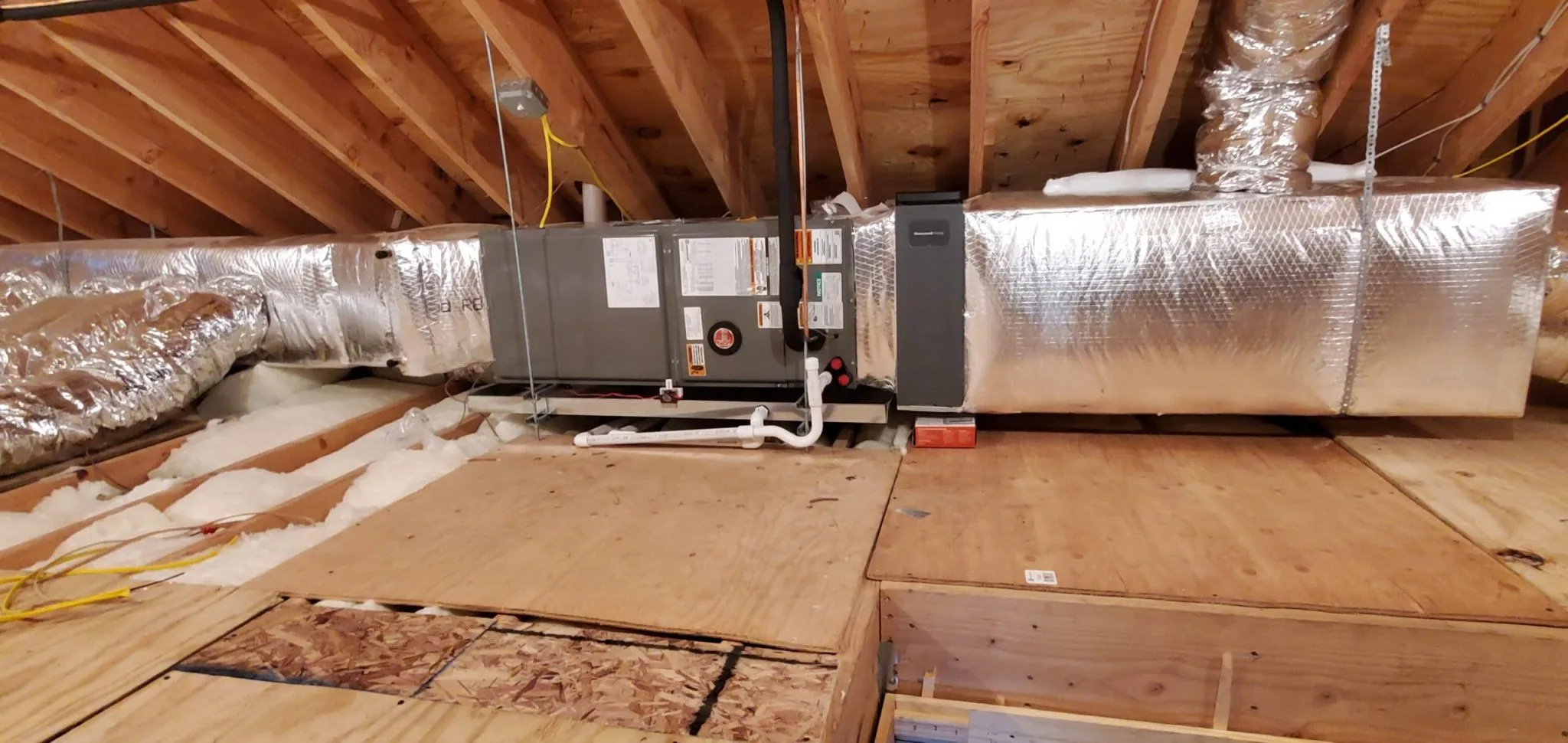
Ductwork issues might be preventing heated air from reaching your rooms. Disconnected or damaged ducts in your attic, crawl space, or basement can dump warm air where it doesn’t help. You might notice some rooms are warm while others stay cold, or you might hear whistling sounds near duct connections.
If your furnace is producing some heat but not enough to maintain comfortable temperatures, the problem might be undersizing, poor insulation, or a system that’s losing efficiency due to age. When outdoor temperatures drop into the teens, an aging furnace might struggle to keep up even when it’s technically working correctly.
24 Hour Furnace Repair and Emergency Heating Service
Some furnace problems can’t wait until morning or Monday. If you smell gas, suspect carbon monoxide, see flames where they shouldn’t be, or have no heat when temperatures are below freezing, you need immediate professional help.
Emergency furnace repair costs more than scheduled service, but the alternative—risking your family’s safety or dealing with frozen pipes—costs far more. Knowing when to make that call can prevent a bad situation from becoming a disaster.
Real 24/7 service means technicians are actually available at 2 AM on Christmas, not just an answering service that takes messages. When you’re choosing an HVAC company for emergency service, ask whether they dispatch technicians around the clock or if you’ll be waiting until business hours.
Signs You Need Emergency Furnace Repair Right Now
Gas smells require immediate action. Natural gas companies add a distinctive odor (like rotten eggs) to help you detect leaks. If you smell this anywhere near your furnace, don’t try to diagnose the problem yourself. Leave your home, call your gas company from outside, and don’t return until they’ve cleared it safe.
Carbon monoxide situations are emergencies even though you can’t smell or see this deadly gas. If your carbon monoxide detector goes off, take it seriously. Get everyone outside immediately and call 911. Don’t assume it’s a false alarm or that you can fix whatever’s causing it.
Yellow or orange flames on a gas furnace indicate incomplete combustion and possible carbon monoxide production. Normal flames should be blue. If you notice this change, shut off your furnace and call for service immediately. This often indicates a cracked heat exchanger or ventilation problem.
Complete heating failure during extreme cold creates safety risks beyond discomfort. When temperatures drop below 20 degrees, a house without heat can reach unsafe temperatures within hours. Frozen pipes can burst, causing thousands in water damage. Elderly family members, young children, and pets are particularly vulnerable to cold exposure.
Electrical issues like burning smells, sparking, or repeated breaker trips indicate serious problems that could cause fires. If you see any of these signs, shut off power to your furnace at the breaker box and call for emergency service.
Loud banging, screeching, or grinding noises that start suddenly often mean a component has failed catastrophically. Continuing to run your furnace in this condition can cause additional damage that turns a moderate repair into a complete system replacement.
Water pooling around your furnace might indicate a condensate drain clog (less serious) or a heat exchanger leak (very serious). Either way, water and furnaces don’t mix well, and the problem needs professional diagnosis quickly.
Furnace Repair Cost and When to Replace Instead
Furnace repair costs vary widely depending on what’s broken and when you need service. Simple fixes like thermostat issues or filter replacements might run $100-$300. Common repairs like ignitor or flame sensor replacement typically fall in the moderate range. Major component failures like blower motors, gas valves, or control boards can cost $300-$800 or more.
Emergency service adds to these costs. After-hours, weekend, and holiday calls typically carry premium rates, sometimes $150-$215 per hour instead of standard rates. The urgency of the situation usually makes this unavoidable.
The bigger question is whether repair makes sense or if replacement is the smarter financial decision. A common rule helps with this: if the repair costs more than half the price of a new furnace and your current system is more than 15 years old, replacement usually makes more sense.
Understanding Gas Furnace Replacement Cost
New furnace installation typically ranges from $3,500 to $7,500 for most Nassau County homes, with an average around $4,800-$5,200. This includes the equipment, labor, permits, and basic installation. Your actual cost depends on several factors.
System size matters most. A furnace that’s too small won’t heat your home adequately. One that’s too large wastes energy and wears out faster from short cycling. Proper sizing requires a load calculation that accounts for your home’s square footage, insulation, window count, and ceiling height.
Efficiency ratings affect both upfront cost and long-term operating expenses. A basic 80% AFUE furnace costs less to install but uses more gas to produce the same heat as a high-efficiency 95%+ AFUE model. In Nassau County’s climate, the higher efficiency usually pays for itself within 5-7 years through lower energy bills.
Brand selection impacts price and warranty coverage. Budget brands might save money initially but could cost more in repairs over time. Premium brands like Amana, American Standard, or Carrier typically offer better warranties and longer lifespans. Factory certifications mean your installer has specialized training on that brand’s equipment.
Installation complexity affects labor costs. If your existing ductwork needs modification, if you’re switching fuel types, or if your home requires additional ventilation work, expect higher installation costs. Older homes often need more extensive work to bring systems up to current codes.
Additional components can add to your total. A new thermostat, humidifier, air purifier, or upgraded ductwork all increase costs but improve comfort and efficiency. Discuss these options during your estimate to understand the full picture.
Financing options make replacement more manageable. Many HVAC companies offer payment plans or work with lenders to provide financing. This can turn a $5,000 expense into affordable monthly payments, making it easier to replace a failing furnace before it leaves you without heat.
Gas Furnace Maintenance and Furnace Tune Up Benefits
Annual maintenance prevents most emergency furnace repairs. A comprehensive tune-up catches small problems before they become expensive failures, typically costing $70-$200 depending on what’s included.
During a professional furnace inspection, technicians clean critical components, test safety systems, check for carbon monoxide leaks, inspect the heat exchanger for cracks, examine electrical connections, verify proper venting, and test system efficiency. You get a detailed report of your furnace’s condition with recommendations for any issues found.
The best time for this service is fall, before you need your heat. Scheduling in September or October means you’re not competing with emergency calls during the first cold snap. If problems are found, you have time to make repairs without suffering through a cold house.
How Preventative Furnace Service Saves Money
Regular maintenance extends your furnace’s lifespan significantly. Systems that receive annual care typically last 18-25 years, while neglected furnaces often fail after 12-15 years. That difference represents thousands of dollars in avoided replacement costs.
Energy efficiency degrades without maintenance. Dirty components, worn parts, and minor issues that go unaddressed can reduce efficiency by 5-15% annually. On a typical Nassau County heating bill, that’s $100-$300 wasted each winter. Over your furnace’s lifetime, you could spend thousands more on energy than necessary.
Warranty protection often requires proof of annual maintenance. Many manufacturers will void warranties if you can’t document regular professional service. That means a $1,000 repair that should be covered becomes your responsibility because you skipped a $150 tune-up.
Emergency repairs cost more than scheduled ones. A service call during business hours might run $75-$150 for diagnosis. The same call at midnight on a Saturday could cost $200-$300 just for the technician to show up, before any actual repair work. Maintenance catches problems when you can address them on your schedule, not the furnace’s.
Peace of mind has value too. Knowing your furnace was inspected by certified technicians and given a clean bill of health means you can sleep soundly when temperatures drop. You’re not wondering whether tonight’s the night your heat gives out.
Safety issues get caught early. Carbon monoxide leaks, gas valve problems, and cracked heat exchangers are life-threatening issues that maintenance inspections identify before they put your family at risk. This alone makes annual service worthwhile.
Choosing Local Heating Contractors in Nassau County
Not all HVAC companies understand Nassau County’s specific challenges. Local contractors who’ve worked in this area for years know how hard water affects boilers, how salt air corrodes components, and which furnace problems spike during Long Island winters.
Look for proper licensing and certifications. EPA certification is required for anyone working with refrigerants. Factory certifications from manufacturers like Amana, Carrier, or American Standard indicate specialized training. These aren’t just pieces of paper—they represent real expertise that affects repair quality.
Reviews and ratings tell you what to expect. A company’s website might promise excellent service, but customer reviews reveal whether they deliver. Look for patterns in feedback: do they show up on time, communicate clearly, provide accurate estimates, and stand behind their work?
What to Look for in Emergency Heating Service
True 24/7 availability means actual technicians respond at any hour, not just an answering service that collects messages. When you call at 3 AM, you need to know someone’s actually coming, not that you’ll get a callback Monday morning.
Response time matters during emergencies. Companies that promise service “within 24 hours” aren’t offering emergency service—they’re offering next-day appointments. Real emergency service means a technician is dispatched immediately and arrives within hours, even on holidays.
Transparent pricing prevents shock when you get the bill. Reputable companies provide clear estimates before starting work, even during emergencies. You should know what the service call costs, what the hourly rate is, and get an estimate for parts and labor before authorizing repairs.
Stocked service vehicles reduce wait times. Technicians who carry common parts can complete many repairs on the first visit. Companies that need to order parts and schedule return visits leave you without heat longer.
Satisfaction guarantees show confidence in workmanship. Companies that stand behind their repairs with guarantees or warranties aren’t worried about callbacks. This protection gives you recourse if the repair doesn’t hold.
Local ownership often means better service. Family-owned companies depend on their reputation in the community. They can’t afford to provide poor service or disappear when warranty issues arise. This accountability matters when you’re trusting someone with your home’s critical systems.
Getting Your Nassau County Furnace Repaired Right
Furnace problems rarely happen at convenient times, but knowing what to check yourself and when to call professionals helps you make smart decisions. Simple issues like thermostat settings or clogged filters you can handle. Complex problems involving gas, electrical components, or safety systems require certified technicians.
Nassau County’s climate creates unique challenges for heating systems—hard water, salt air, and temperature swings that accelerate wear. Working with local contractors who understand these factors means better diagnoses and repairs that actually last.
Whether you’re dealing with a furnace that won’t turn on, strange noises, or planning ahead with preventative maintenance, the key is acting before small problems become expensive emergencies. At Cool Bros, we serve Nassau County homeowners with same-day service and real 24/7 emergency availability. Our certified technicians understand the unique challenges your heating system faces, and we back every repair with our satisfaction guarantee.